When the new generation of the AR-media platform was launched, we announced some major changes to the authoring workflow, including the way the AR-media plugins work within this new release.
In particular the authoring of Augmented Reality projects has been moved from the 3D modeling software to the web platform, while the plugins are now designed to just export your 3D projects in order to make them easily and readily available inside the AR-media Assets Manager.
While AR-media allows you to easily export your models from nearly any 3D modeling software by following some simple guidelines, some users still prefer to have a dedicated export to do the job, and here is where the Autodesk 3ds Max plugin comes into play.
AR-media Plugin for Autodesk 3ds Max Highlights
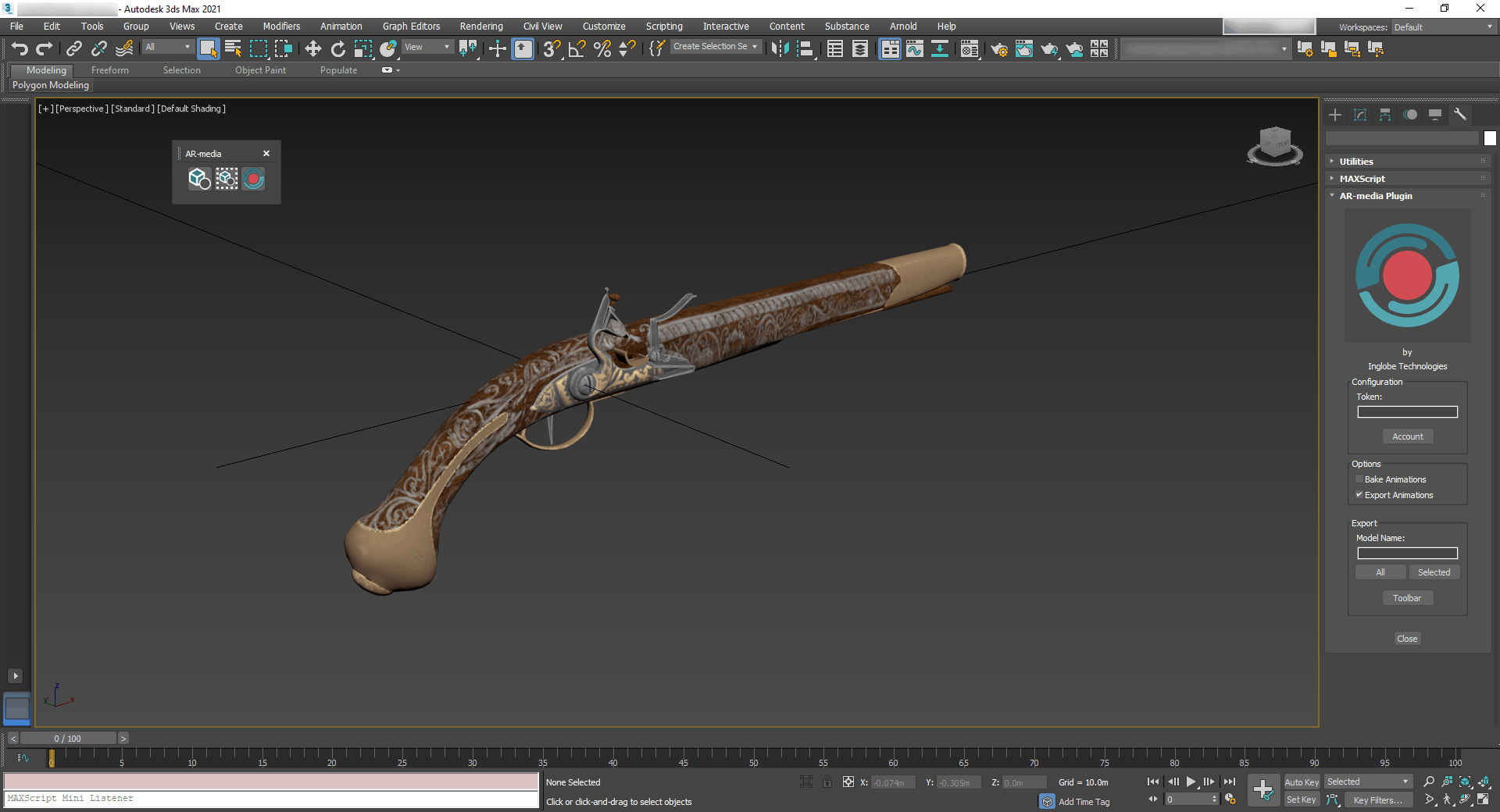
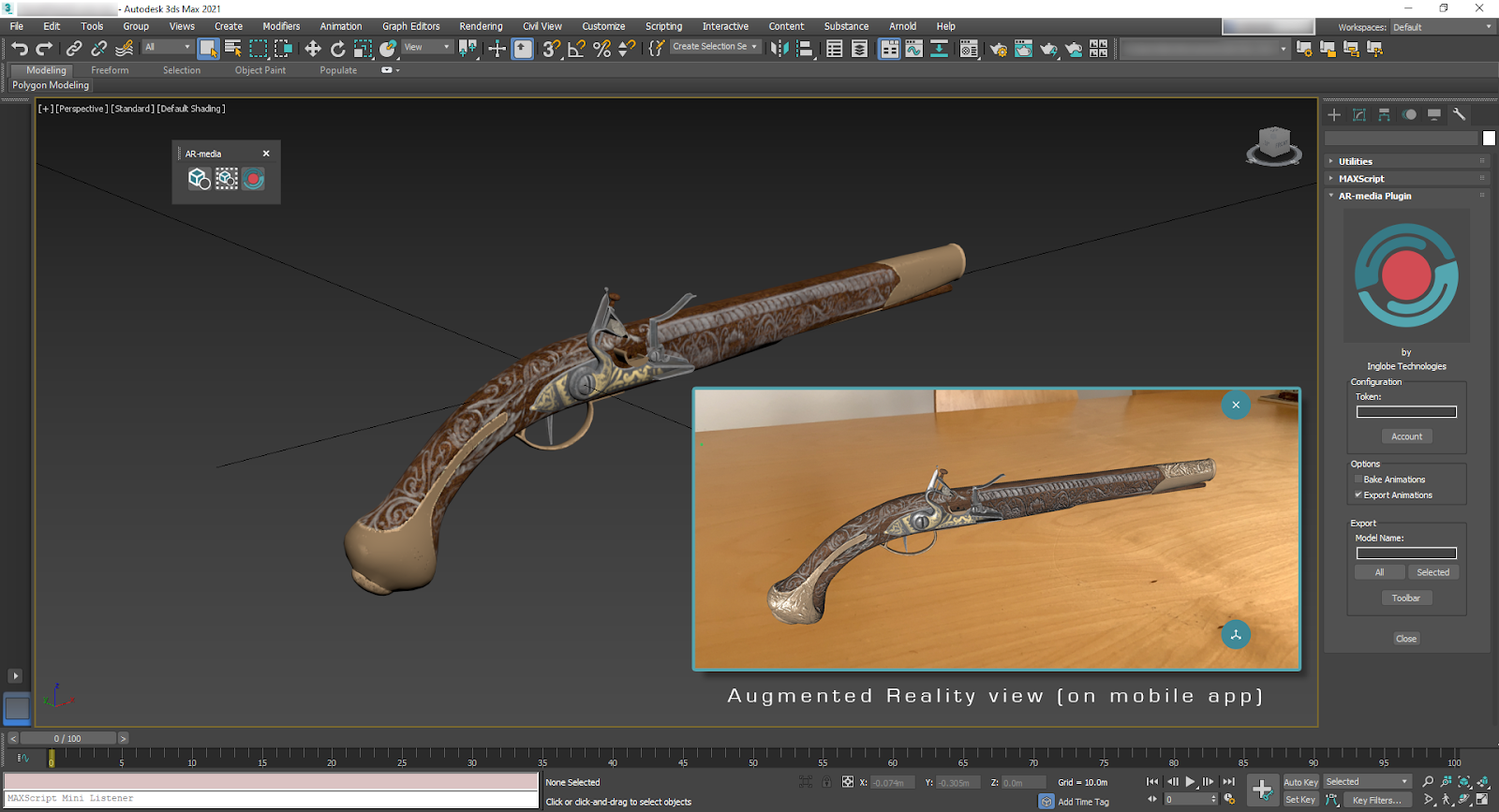
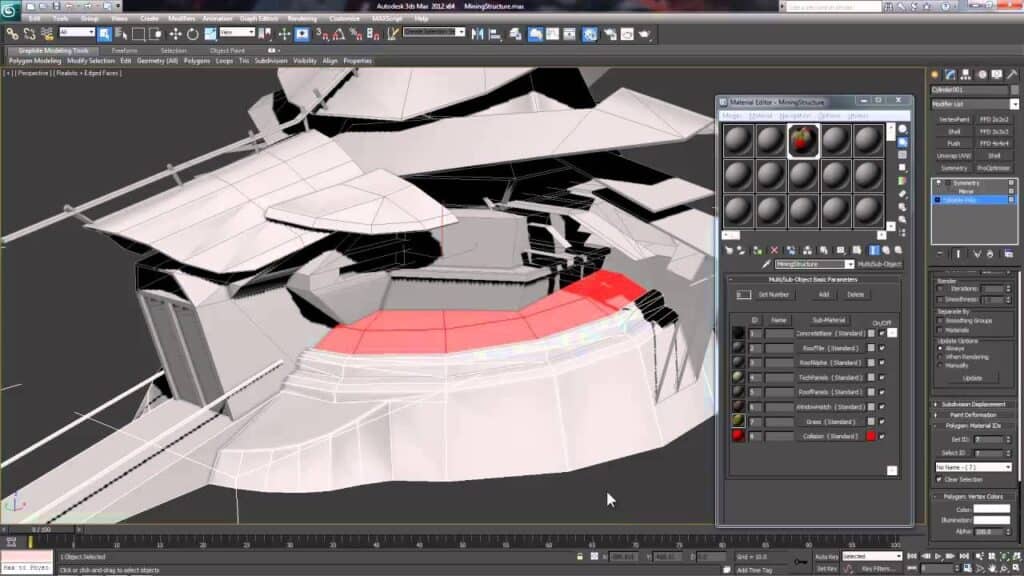
After releasing the Trimble SketchUp plugin for AR-media, we are now releasing the Autodesk 3ds Max plugin to the community. It provides the ability to export 3D projects and upload them to AR-media directly from the software by means of a dedicated toolbar and sidebar.
The plugin lets you:
Export the entire scene
Export the selection
Go to your AR-media Studio Account
Bake the animations
Export the animations
The AR-media Plugin for Autodesk 3ds Max
Download the AR-media 3ds Max Plugin from the Autodesk App Store and start creating. Also
Get your free AR-media Plan
AR-media is the ideal tool for users willing to create simple to advanced AR and VR projects for mobile devices without coding. The platform supports planar, spatial and location-based tracking, offering a wide range of possibilities in order to make your projects unique.
Among the content types supported we have images (2D and 360), videos (2D, 360 and Alpha), audios, 3D models (static and animated), HTML5 packages, buttons and CTAs.
Since the launch of the new generation of the AR-media platform last November, our team has been working hard to add more features and address the needs of entire groups of AR Creators, from Publishers to Architects, from Marketers to Teachers and many more.
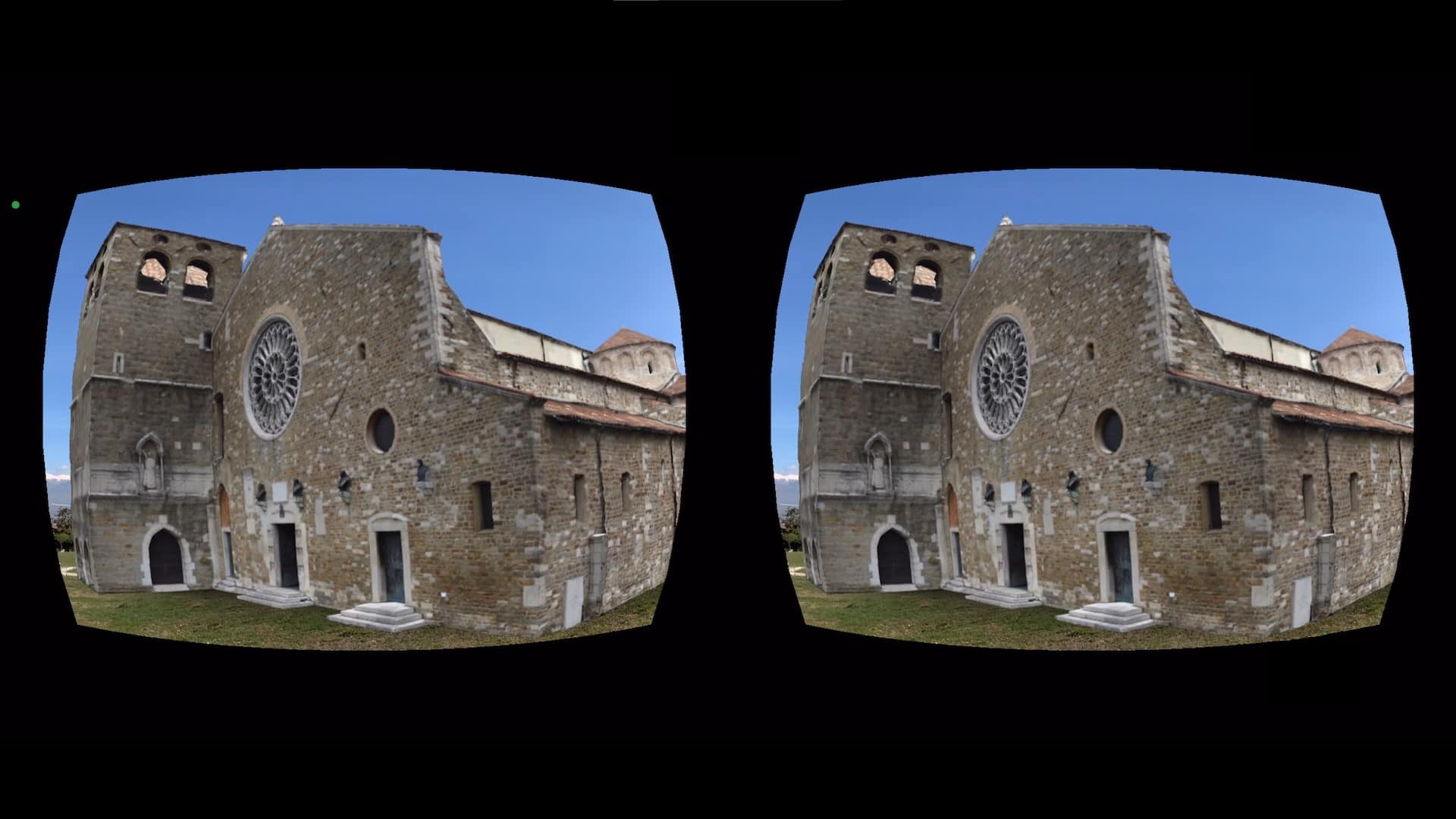
We are now excited to announce that we are about to launch a new Immersive AR/VR mode, in order to let our end-users experience Augmented and Virtual Reality content with a higher level of engagement, using affordable Mobile VR headsets.
This new feature will let users switch from standard to binocular visualization for any experience available in the AR-media Player.
The new immersive AR/VR mode is something to be used in association with dedicated headsets that work in combination with smartphones. This class of low cost devices include popular options like the Google Cardboard, the Samsung Gear VR and the Zeiss VR One.
The most popular online stores, like Amazon and Aliexpress, offer plenty of such Mobile VR headsets, starting from a handful of dollars.
When picking one of these devices be aware of its ergonomics and make sure they support your smartphone’s display size. Getting a device with adjustable interpupillary distance is a plus that ensures you will be able to regulate focus.
Starting from issue #336 of February 2021, the Italian sports magazine “Il Nuovo Calcio” embraces AR in order to offer additional content in conjunction with the printed magazine.
To celebrate the magazine’s 30th anniversary, the editorial board decided to release a brand new mobile application, named “Il Nuovo Calcio AR” for iOS and Android devices, providing exclusive access to interesting and updated multimedia content that would not be possible to deliver on paper.
With this move, Il Nuovo Calcio is the first Italian sports magazine to embed AR multimedia files into its product, confirming the trend, already underway by the major publishers, to offer a hybrid product that integrates both the traditional logic of publishing with the digital ones. The final aim is to offer a renewed and more appealing reading experience.
As we discussed before, the publishing industry is undergoing great changes, mainly due to the rise of interest of readers towards digital products and channels, which is part of a general shift of information towards digital media. One of the ways to strengthen paper products’ appeal is by providing a mix between digital and traditional, which is a type of support to which people are still very attached to.
What an AR sports magazine can offer?
With the introduction of its application, Il Nuovo Calcio will be able to offer content that will enrich the reading experience, by making pages more interactive and more entertaining.
It is easy to imagine how much a sports magazine can benefit from AR content like video interviews, highlights, tactical animations, gallery of photos and even 3D models of stadiums or other sport facilities.
Before this hybrid model was even possible, readers used to read paper products and then they explored the topic more in depth using the internet. Often publishers themselves provide indications and website references where a topic can be studied in depth, when they haven’t the chance to embed it directly into the product.
Finally with AR and VR, publishers have more tools to deliver their content and to provide a truly fulfilling experience.
One of such tools is AR-media, Inglobe Technologies’ Zero Coding Augmented Reality platform, a visual and easy to use tool for creators willing to quickly and effectively produce immersive content for a variety of audiences and use cases, including publishing.
2020 will certainly be remembered for a long time as the “annus horribilis” for Culture and Tourism worldwide. The ongoing pandemic has profoundly impacted on this sector due to the limitations on travel, lockdowns and social distancing measures. Almost all the location-based VR/AR experiences have been shut down because of Covid-19 and Cultural Heritage institutions, including Museums and Archaeological sites, have shifted to new ways of presenting their pieces of art. Notwithstanding these well known difficulties, our disruptive project, Circo Maximo Experience, has been recognized as the “Best Innovative Venue” in 2020 in the context of the “Remarkable Venue Awards”.
The 2020 Remarkable Venue Awards Global Winners
Established in 2017, the Remarkable Venue Awards is an initiative created by the leading online ticketing platform “Tiqets” to celebrate the best museums and attractions around the world.
Since the first Remarkable Venue Awards, awards ceremonies have taken place annually in Amsterdam, Barcelona, London, New York, Paris, and Rome. The 2020 Remarkable Venue Awards was a global, online event which celebrated seven categories of awards in six countries: UK & Ireland, France, Italy, the Netherlands, Spain and the United States. The selection of the winning venues is based on the customer reviews of venues on Tiqets.com. For the first time, the Remarkable Venue Award winners of each country went head-to-head to compete for a global title. 6,000+ customers voted for their favorite museums & attractions of 2020 to crown the Best of the Best.
Circo Maximo Experience is the Best Innovative Venue in 2020
Circo Maximo Experience is the first outdoor permanent Mixed Reality experience that engages visitors in an exciting journey through the history of Circus Maximus in Rome, the largest and most iconic entertainment venue of the ancient times. By wearing Mixed Reality headsets, visitors are able to admire the monument across all the transformations it went through during the different ages. Circo Maximo Experience is a particularly complex engineering challenge that has been designed with the user’s safety in mind. Our “safety-by-design” approach allowed the venue to keep working also during the pandemic, thus making it the only publicly accessible Immersive Mixed Reality experience during these hard times. Additional measures were adopted in order to make the experience safer. The unique harmonization of safety, content, site and technology made it possible for the project to be crowned with this award.
A more sustainable and technologically advanced future for Cultural Heritage
The Covid-19 crisis has brought to light the need for a profound transformation of the way museums and cultural heritage sites are accessed. There is little doubt, today, that we need a more sustainable and technologically advanced approach to Cultural Heritage valorisation. Thanks to its market validation, Circo Maximo Experience is set to become a model that will inspire other Cultural institutions to embark in similar digital transformation projects in the future.
The publishing industry has undergone a massive transformation in the last decade, with mobile and portable devices opening the door to digital content that wasn’t as easily and freely available before. E-books, online magazines and other multimedia content now abund and seriously challenge the supremacy that traditional and paper based products had before.
Not only digital media challenged traditional media in the adoption rate, but it is also becoming increasingly attractive for advertisers that are shifting their budgets towards digital channels year over year.
One of the reasons behind this shift is that not only digital media attract more users, but it also allows advertisers to target their message to a better profiled audience.
In some countries digital advertising revenues already surpassed traditional advertising and where it didn’t happen yet, it is set to happen in 2021.
The solution to changing preferences in the Publishing Industry
Most of the major consulting companies agree that publishers and editors should reposition their products and start mixing innovative and engaging experiences into their traditional offer.
A lot of people are still attached to paper products and rather than completely replacing them, they’ve started making it complementary with digital products.
Digital and Paper can live together as they offer profoundly different user experiences. So why not contaminate paper products with engaging content that readers typically expect to experience only on digital products? To us that is the key to rejuvenate the image of paper products and making them more attractive. There are plenty of options to achieve this goal and we believe that Augmented Reality plays a crucial role in this process.
Augmented Reality Books
There are certain book genres that would benefit a lot from an integration of multimedia content enjoyed in Augmented Reality. Just think about technical and scientific books with a lot of images, schemes and illustrations, they may be complemented by videos, animations, infographics and 3D models, making the reading and learning process much more effective.
Credits: Eosliber by Ripensarte
Augmented Reality Magazines
Today we have quite a few examples of magazines that have embraced Augmented Reality as a part of their content offering. Telling a fact or a news with the aid of interactive media provides the reader with an experience that is a hybrid between the traditional and the digital ones.
Just here in Italy we have quite a few examples of magazines that are offering AR content to the readers with Focus by Mondadori being the most popular one, with over 100.000 readers having downloaded the AR app to enjoy the multimedia content.
Augmented Reality Newspapers
Newspapers are probably the category that lost more ground in sales because of the shift of many users to digital channels to stay informed. Paper newspapers have to be printed every night and distributed in the whole country in a matter of hours, making it a continuous challenge.
Editorial offices have to work very quickly to get the work done in time and sometimes, as the newspapers are being printed, they are already out of date because something else happened.
Augmented Reality could help editors to provide newspapers with up to date information, since the AR content can be prepared and/or updated, even once the newspapers are out.
Credits: AdvisionPlay
Augmented Reality School Books
Just like technical and scientific books, school books are often full of images, illustrations, infographics, that serve the purpose of helping students to understand more effectively what’s being taught in that book.
Imagine students studying the solar system while pointing a device to their book and watching the animation of the planets moving around the sun in 3D, or also studying history by watching small clips taken from documentaries that provide appropriate in depth information related to those facts.
Credits: Visible Bodies
How AR-media can support Publishers in the transition
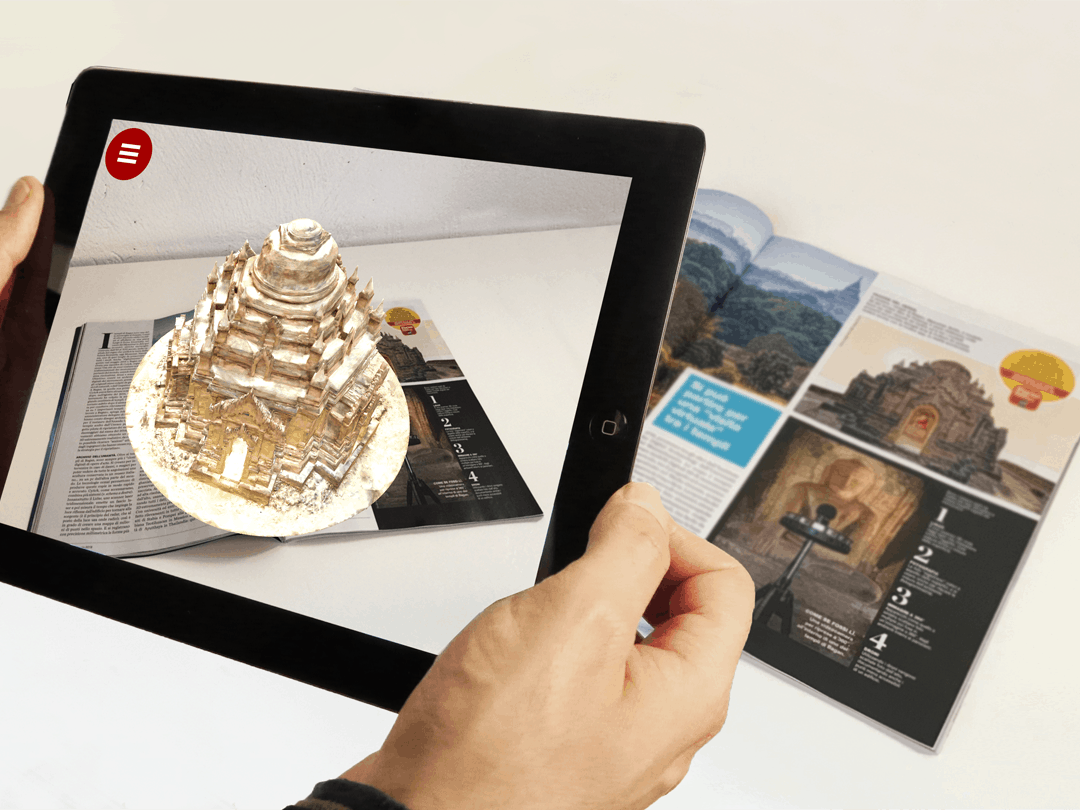
Augmented Reality can support publisher transition to a hybrid model of traditional and digital media, offering paper products with additional multimedia content attached to a certain number of pages.
With this approach readers can continue to enjoy a product they are attached to, while benefiting from the innovation of digital content like videos, 3D models, 360 photos and videos and so on.
Moreover, with the aid of data analytics and push notifications, publishers can build and nurture a relationship with their readers and have a better understanding of their preference in terms of types of content, by analyzing which pages have been scanned the most and how long the reader spent on each one of them, that are typical tools available to online publishers.
In this scenario AR-media is the ideal tool to build and publish Augmented Reality projects for Publishers, as it requires no coding skills and allows the user to create AR content with a visual, simple workflow. Get a free AR-media account and start creating, you can rely on detailed tutorials and documentation available in the support section.
For so many of us 2020 has been a year out of the ordinary for so many reasons, both personal and professional. We changed so much our lifestyle and coped with risks and dangers never encountered before, and we all hope 2021 will be the year of hope and the return to a better and safer normality. The brutal changes introduced by the pandemic forced the society to introduce new solutions in so many fields, in order to guarantee the continuity of activities like work and school.
In 2021 we expect to see the strengthening of some Augmented Reality trends that started in 2020 or even before and at the same time the emergence of new trends that will shape how this market will evolve and change in the next few years.
Augmented Reality confirmations of 2021
In 2020 thanks mainly to Covid-19 restrictions we have witnessed the strengthening of technologies and ways of working that were introduced in the last few years in an effort to help the workforce to fix problems more efficiently and reduce business trips.
One of such existing trends is the rise of Remote Assistance and Video Conferencing tools. It is quite predictable that we will start to see additional efforts to bring even more Augmented Reality features in this application domain, including holographic avatars in 2021.
Mobile AR is another field where AR shined in 2020 because it allowed to partially fill the gap of not being face to face or in a specific place by adding immersivity to solutions in areas like Industry 4.0, Education, Cultural Heritage and even Marketing events and exhibitions.
We expect to see even more Mobile AR adoption in many industries because, unlike wearable devices, smartphones and tablets are widely available and that makes mobile AR a great tool for B2C applications.
Augmented Reality new entries of 2021
At the moment we can’t be 100% sure of what kind of year 2021 will be for business since -as we go into the new year the virus is still there- most of the restrictions are still in place and we all expect that at some point, hopefully around the half of 2021 things will slowly go back to business as usual, even if some behaviours and habits will probably persists in the future (e.g. tendency to reduce low added value business trips and higher attention to safety issues both in public and working environments).
What we know for sure instead is that, technologically speaking, we are getting ready for an important jump especially in telecommunications and artificial intelligence sectors.
The widening telco infrastructure will bring 5G to millions more people in 2021, enabling numerous additional AR/VR use cases that were not possible before.
The exceptional speed and the reduced latency that 5G guarantees will allow companies to build apps and software that will access to AR content on demand and almost instantly, enabling entirely new use cases of real time access to information and content.
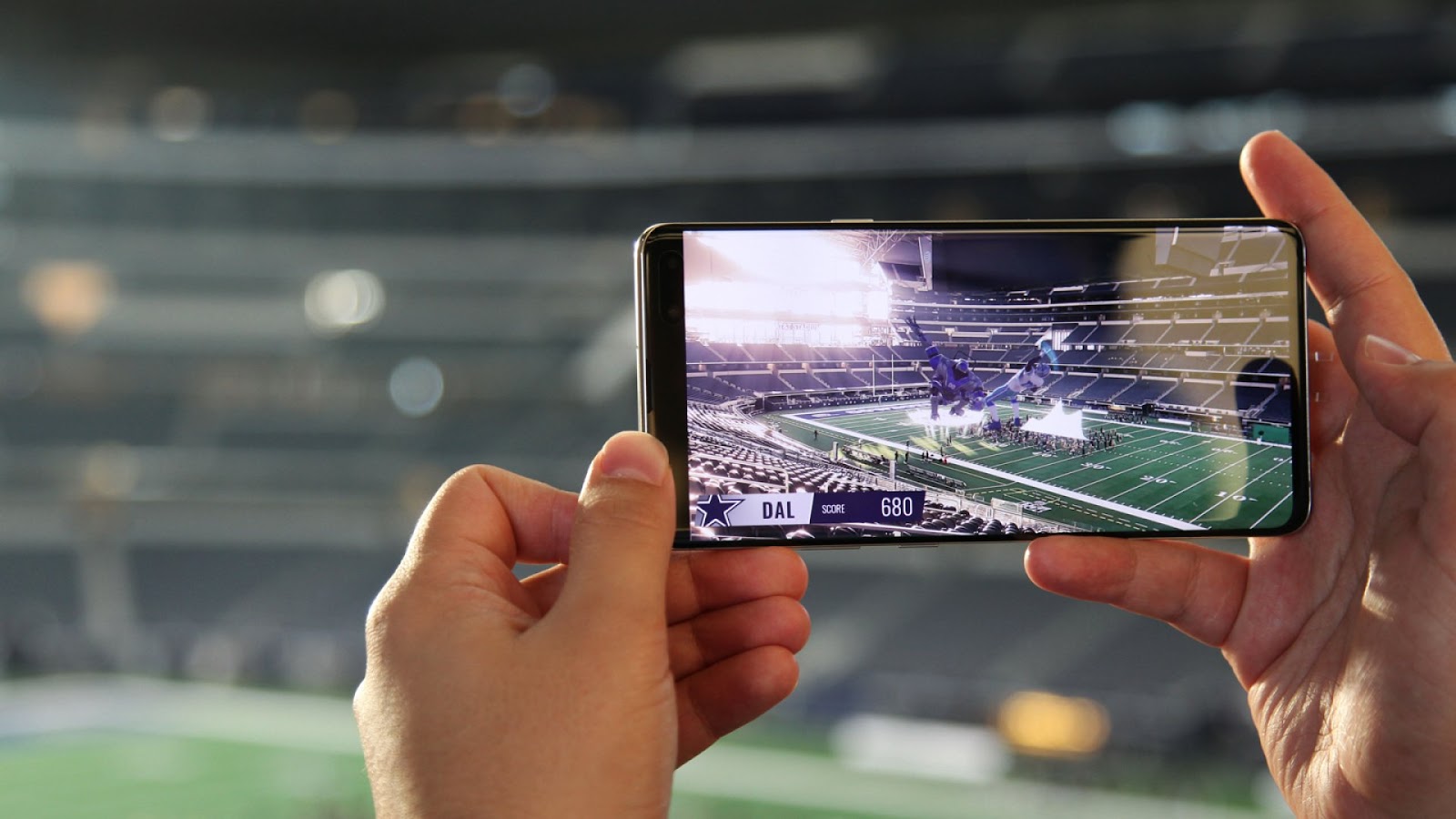
Parallel with the emergence of Mixed Reality Headsets with a better market fit, Smartphones will play a crucial role in this revolution and nearly any user will be capable of streaming ultra high quality videos, highly detailed 3D models and other challenging content on their device. This scenario will make it possible to create applications in Education, Publishing, Tourism, live Sport events, that were not possible before. Even the further development of an AR Cloud accessible to all will be a step closer.
In 2021 we’ll probably see even more intersection between AR and AI, where Augmented Reality will be the visualization layer and Artificial Intelligence the computational one.
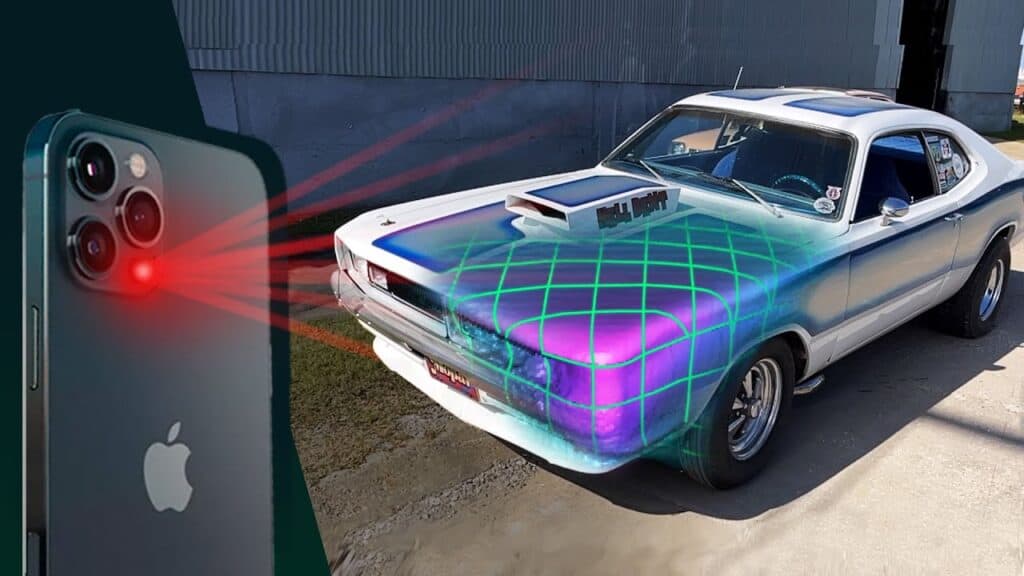
Finally, with the recent release of the iPhone 12 Pro, with an embedded Lidar sensor, Apple brought a powerful tool, based on the laser technology, to the masses. A Lidar is used basically to assess the depth of an environment, to recognize objects better and will help a lot with mobile photography as well as with Augmented Reality apps.
In particular we expect to see a massive increase in Photogrammetric Reconstructions in 2021 since the iPhone 12 Pro helps the user to capture objects from the world, isolate them and create a digital copy that could be used in dozens of use cases.
This new generation of AR-media is made of the following components:
AR-media Studio: Web based Experience Creation
AR-media Plugins: Optional exporters for the major 3D modeling software
AR-media Player: Mobile viewer app for iOS and Android
AR-media Studio allows the user to upload her content into the platform’s Asset Manager, the area where multimedia files are stored and eventually organized in folders and subfolders. With respect to 3D models, such files can be exported from the major 3D modeling software, following specific guidelines.
The next step is the project creation. Thanks to an intuitive 3D web editor, the user can add her content into so called “Augmented Reality scenes”, that is the combination of content and events created according to the final user experience on mobile devices.
Finally the project can be made public, or shared privately, and enjoyed using the mobile application called AR-media Player, freely available on the app stores.
Moving objects in the physical space
Inglobe Technologies just released a feature update that includes the ability for users, using the AR-media Player, to select single items in an Augmented Reality scene and interact with it, other than with the entire scene including other objects.
These new features also introduce the ability to pan objects and rearrange them in the physical space, finding the most suitable position according to the user intent.
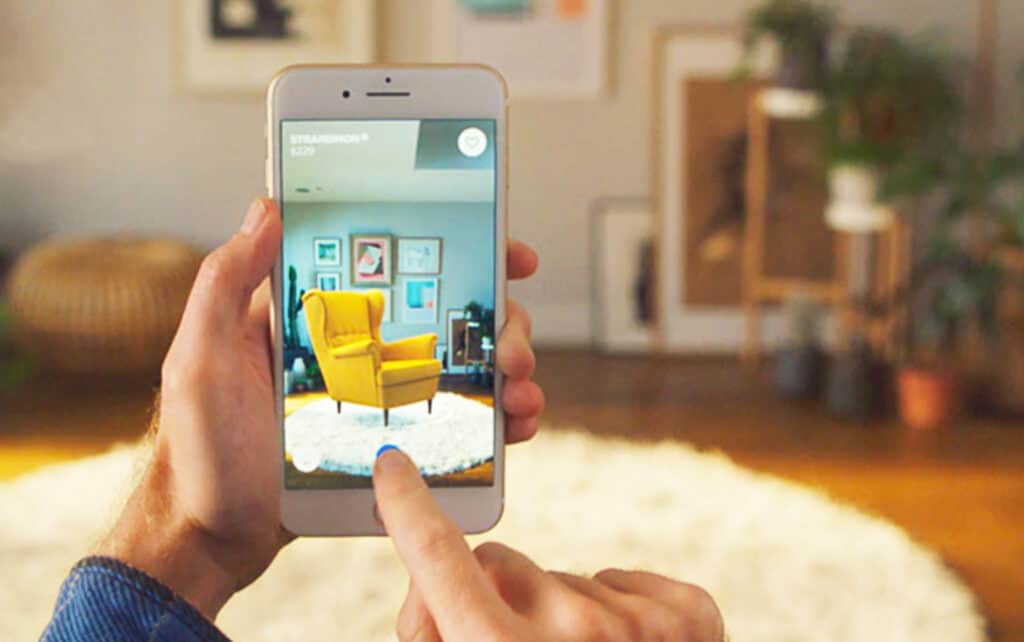
The ability to rearrange objects’ position, size and orientation, makes AR-media a great tool for Augmented Reality in interior design, meaning a user can load her favourite pieces of furniture and accessories and visualize them instantly in the space, adjusting the combination and finding the perfect fit.
How it works
In order to use these functionalities, the user needs to download the free AR-media Player app from the stores (Android Play Store, iOS App Store and Huawei App Gallery) and browse through the list of the available categories, select a category and finally select the project she wants to download for Augmented Reality visualization.
What the user has to do is just opening the AR-media Player on her mobile device, loading the project and visualizing it in the surrounding space, both indoors and outdoors. With a few easy gestures she can select the object she wants to move and then simply drag it to the desired position. Objects can also be rotated and zoomed.
Switching content with AR-media
Eventually, architectural projects and real-time interior design use cases, can be enriched by an additional feature AR-media offers, which is switching content by tapping on objects (or any other preferred user interaction) in order to visualize alternative design options.
Suppose the user wants to decide which of the three sofas she is considering, fits best in her living room. Well with AR-media she can easily switch from one sofa to another and have an instant preview.
Of course such a set of features can prove useful in many other application domains, like architectural design, project presentation, civil engineering and more.
With the AR/VR market set to touch almost 19 billion dollar in sales in 2020, including hardware and software, it is now clear that is increasingly and rapidly becoming a mass market, collecting the interest of consumers and professionals from many areas, from industry to architecture, from marketing to publishing.
The opportunity Augmented Reality offers to content creators is to provide an engaging way to explore traditional media, turning them into live contents, rather than just still ones.
This is especially true for Photographers: they use a lot of technology and digital tools in their work, but the final result is a static content, a picture, printed or digital.
In an effort to identify what they could do in order to offer more dynamic and interactive products, we analyzed a number of use cases related to their work, helping them to understand how they could surprise their clients and differentiate themselves from the crowd.
A Photographer, as well as a Video Maker, creates a lot of content, thus it is quite simple for them to create Augmented Reality products and services starting from what they already have. Some examples of what Photographers can do with the help of Augmented Reality include:
Immersive Photo Albums with Augmented Reality
Photographers use to create photo albums to collect all the photos of a specific event, be it a trip, a wedding party, a birthday or any other special occasion. Their photo albums are printed products that provide a traditional way of use: people browse them to look at the pictures.
But nowadays Photographers do much more than that. They shoot professional videos and even video clips with drones, or 360° photos and videos. Unfortunately such content cannot be included in a printed photo album and must be enjoyed separately on a computer, smartphone or smart TV.
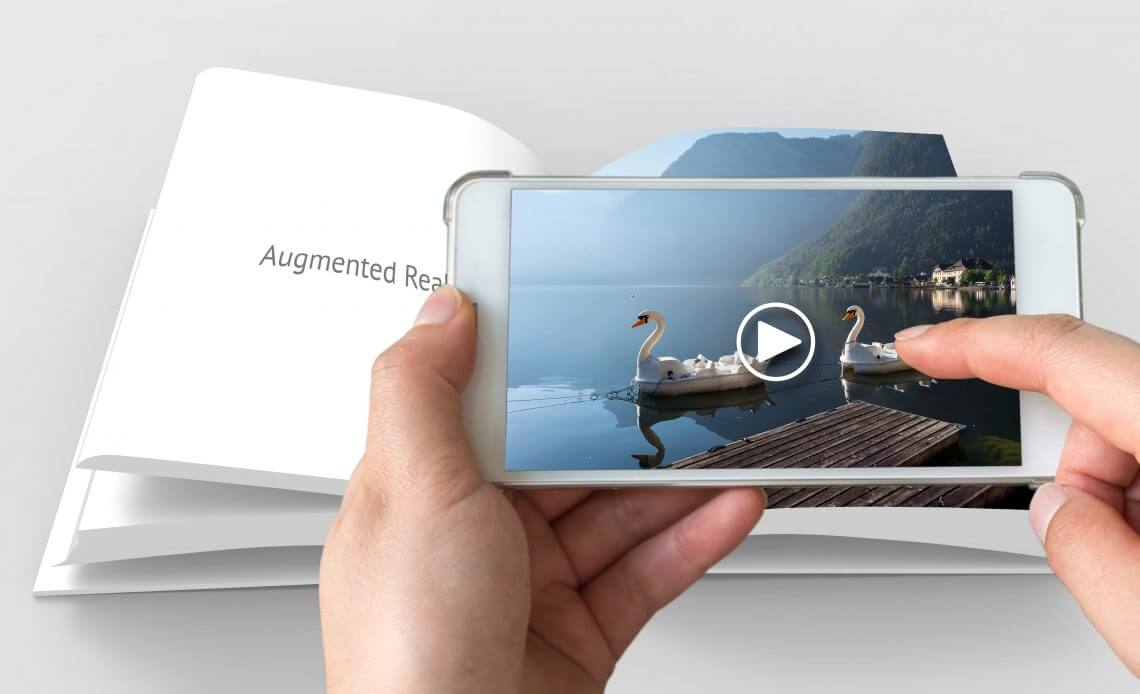
Finally with Augmented Reality apps it is now possible to pack the entire experience into a device, typically a smartphone, enabling the visualization of slideshows, videos and 360°contents on printed photo albums. The product comes to life making the entire experience funnier and more satisfying.
Visualization of 360° Photos and Videos
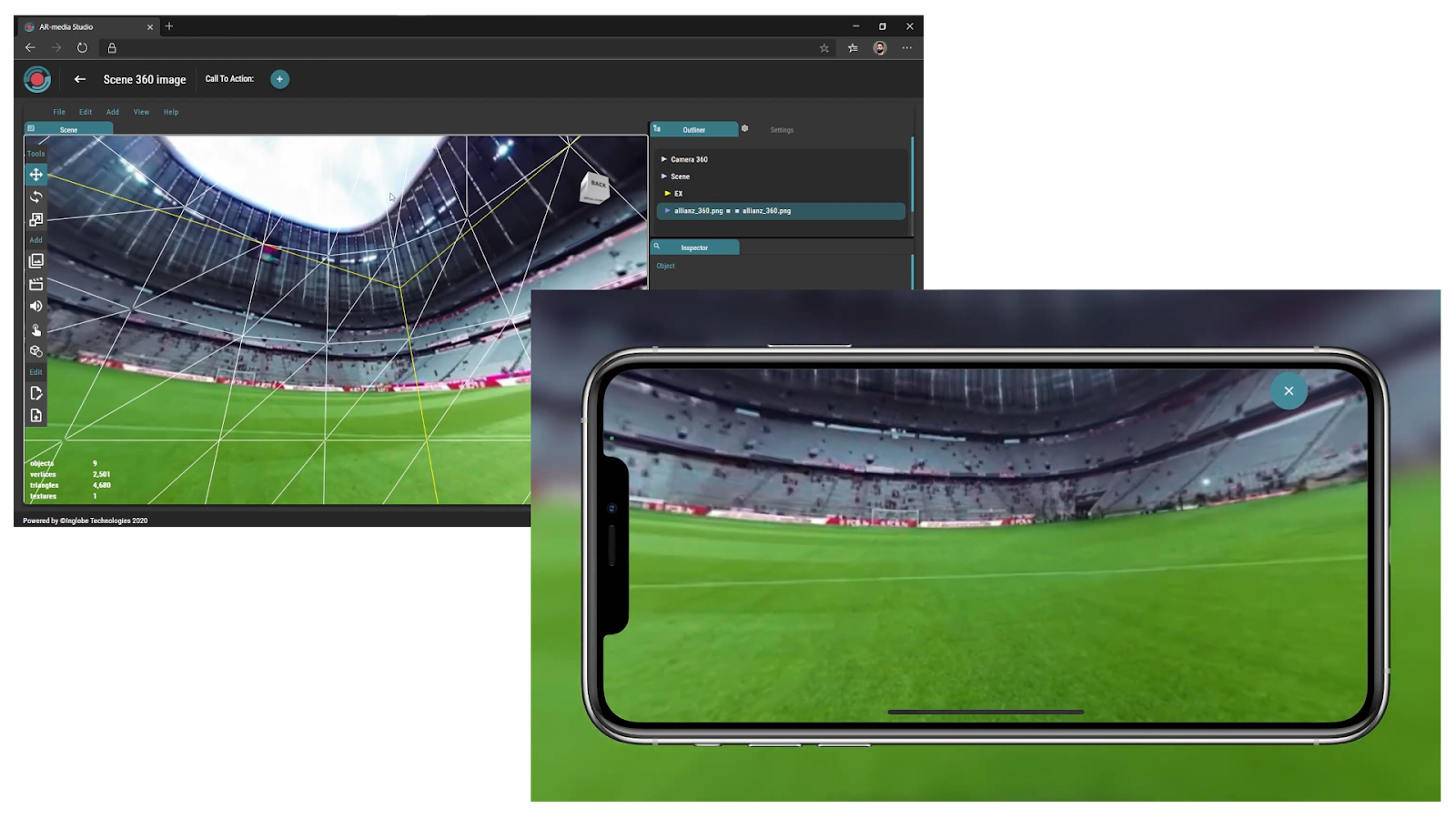
Photographers who shoot panoramic and 360° photos and videos cannot use printed media to let their clients visualize that type of content. Of course you must use at least a smartphone in order to be able to properly view 360° content. Using an Augmented Reality platform, connected with a mobile app like AR-media Player, helps Photographers to easily create 360° content that their client can enable by simply scanning a picture they already have in their photo album or that has already been printed.
Photo Exhibitions with Augmented Reality
Making a photo exhibition more engaging is easy using an Augmented Reality app and platform. Each photo of the exhibition can be associated with additional multimedia content, making the visitor’s experience more entertaining and rich.
Scanning a photo with an Augmented Reality app like AR-media Player, activates additional content like images, videos and 3D models.
How to upgrade your Photography business with AR-media
Augmented Reality can clearly help photography professionals to get more out of their work, bringing their photos and videos to life through a set of existing AR applications. AR provides a powerful way to surprise clients, stand out from the competition and sell higher margin services and products.
In this scenario AR-media is the ideal tool to build and publish Augmented Reality projects for Photographers, as it requires no coding skills and allows the user to create AR content with a visual, simple workflow.
Building Information Modeling (BIM) has made the entire building lifecycle management much more efficient thanks to an effective and practical approach to handling project information regarding planning, building, maintenance and disposal.
This methodology is widely supported by a large number of software today, including Revit and Archicad many of which have become a standard in the AEC industry, however BIM managers and designers willing to get started with Augmented Reality in Architectural visualization can rely on other options in order to quickly achieve their visualization needs.
How can you combine BIM and Augmented Reality?
Using BIM models in combination with Augmented Reality enables some very interesting use cases for BIM managers and architects.
Visualizing an entire project/building before it is even built, in its future location
Selectively visualizing specific layers of the BIM model, over an existing building or over a 3D model, for example the water or the electrical system
Early identification and correction of structural problems like pipeline clashes
The AR-media platform is a tool particularly suited for BIM models Augmented Reality visualization, since it is very easy to prepare and upload a 3D project to AR-media Studio and visualize it using spatial mapping or geolocation.
An interesting feature of AR-media Studio that BIM managers can leverage on in order to create interactive Augmented Reality visualization projects is the Behaviours Manager. This feature of the platform can be used to add buttons and touch interactions that allow you to associate actions to events. For example one of such events can be switching from one layer to another.
Preparing 3D models for Augmented Reality is a crucial step in the production of a successful AR project, since many aspects will depend on it, including the smoothness of execution on mobiles devices, the graphical quality and finally the user experience (e.g. a large 3D model, in same cases, may take a long time to download an a mobile internet connection).
Typically mobile devices have more performance constraints compared to powerful desktop or notebook computers, thus preparing a 3D model for mobile A.R. requires a certain degree of optimization.
Creating AR content for end users means dealing with a potentially large number of different devices, unfortunately not all of them will be flagship phones, so finding a compromise in terms of performance is key.
The most popular 3D modeling software allows the user to perform certain operations that will make the model more suitable for Augmented Reality.
How to prepare your 3D models for Augmented Reality
Technically speaking, there are dozens of optimizations an user can do to a 3D model to make it perform better in real-time Augmented Reality applications, but in general it is sufficient to act on three areas of intervention to get an acceptable level of optimization.
Complexity
Before talking about optimization, it is very important to model your project efficiently in your reference 3D modeling software. By efficiency we mean keeping the count of polygons as low as possible, avoiding to model parts of the object the user will never be able to see and appreciate. If you are relying on one of the many online 3D repositories, make sure to check if the model is optimized for real-time.
Textures
Another area of optimization concerns the way textures are managed. Try to use just one texture and bake your texture in order to improve the graphic rendering, for example in case you want to add ambient occlusion or static shadows on the model. Also assign a standard material (ambient, diffuse, specular colors and eventually a shininess/specular power value.
Export
Once the model is ready export it in the binary .FBX file format. It will include textures and animations, if any. Nearly all the 3D modeling software provide an option to export in the .FBX format.
For a detailed guide on how to optimize 3D models for your Augmented and Virtual Reality projects, please refer to this article in our Documentation section –> https://www.inglobetechnologies.com/documentation/using-3d-model-assets/
An established player in the Italian tech ecosystem, throughout the years Inglobe Technologies has strengthened the position it held since pioneering immersive technologies in our technological and economic landscape.
Such firm position held in a market which is undergoing an explosive growth led us to define an ambitious corporate strategy with market and thought leadership as ultimate goal: it is indeed within this strategy that we have refocused and sharpened our brand identity.
As such, we are contextually launching the new version of our website – which organises all our activities in one place – and a new company logo with the aim of conveying effectively Inglobe Technologies’ key attributes and ambitions.
Unparalleled technical capabilities coupled with creativity and vision
Both the website’s graphics and structure as well as the new logo design convey the firm technical capabilities that represent Inglobe’s key asset in a market that is increasingly attracting new entrants.
In such a dynamic and ever-changing environment, however, such capabilities would not bear fruits without the creativity and the imagination to constantly look for new opportunities and fields of application.
Complexity, made simple
The ability to specialise per vertical markets and yet maintain a cohesive holding structure can be a differentiator in building a credible and focused value proposition.
This has been one of the crucial considerations leading to structure the new website, as well as to design a logo where different elements are encompassed within the main shape to form a unique ensemble.
Said design, with a standing-out central element and openness on the sides, also represent the ideals of inclusion and co-design: our approach to projects is systemic, open to interactions and puts the customer right at its centre.
Another important feature of Inglobe’s identity is its role of connector and network orchestrator: in delivering projects characterised by novelty, variety and complexity we pride ourselves with the ability of pulling together the best professional skills available in the market and with a proven record of successfully fulfilled project management challenges.
In. Globe.
Finally, the red globe – an element that also resounds in our very name – state clearly both our global ambitions and our central role in an increasingly complex and crowded arena: our strategy leads to reach both market and thought leadership.
So much so, that in 2008 we launched the first generation of tools to allow content creators without coding skills (architects, teachers, marketers…) to power up their work with Augmented Reality.
The massive success of this intuition – confirmed by over 50k registered users worldwide – led us to explore how to improve the tool in order to exploit the full potential of the latest mobile devices.
The exciting result is the new AR-Media Platform, which we will launch in September under a brand new logo.
We are heading toward an era where everybody will be able to create immersive contents: Inglobe Technologies is paving the road.
As you may now today the GDPR (General Data Protection Regulation) comes into force. It is a European Union law on data protection and privacy for all individuals within the EU and the European Economic Area. The GDPR aims primarily to give control to citizens and residents over their personal data and to simplify the regulatory environment for international business by unifying the regulation within the EU.
At Inglobe Technologies we have updated our Privacy Policy and Terms of Service to make them compliant with the new law. Moreover we have adjusted our internal processes regarding data management to make them GDPR compliant.
You can read the aforementioned updated documents and please do not hesitate to contact us for any inquiries about your data at gdpr@inglobetechnologies.com
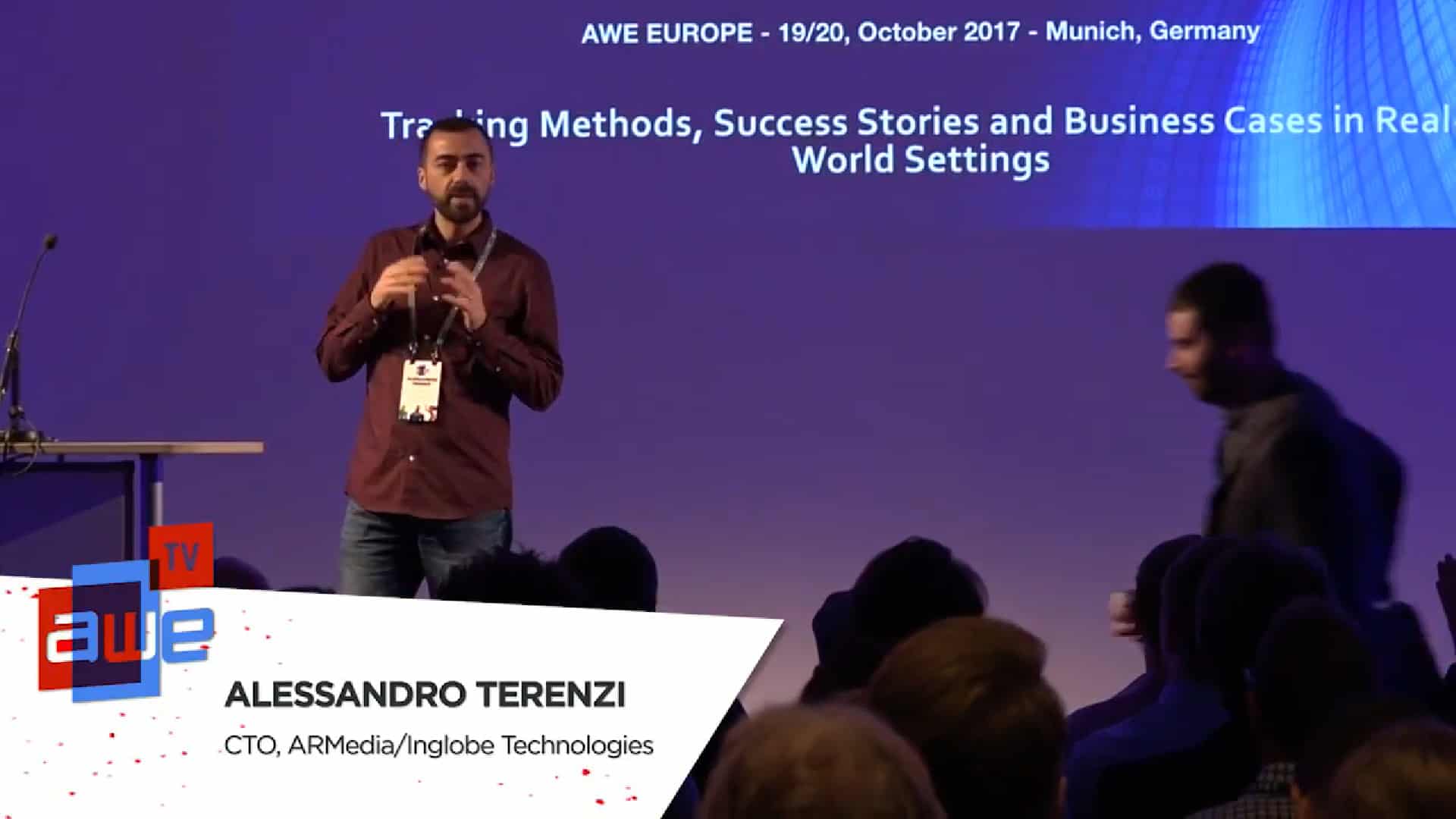
During the Creators Track at the recent AWE Europe 2017event in Munich, Inglobe Technologies? CTO Alessandro Terenzi gave a speech about?Object Tracking for Augmented Reality, explaining pros and cons of each approach and the technical workflow behind the creation of 3D targets of Augmented Reality applications, especially in an industrial environment.
Huawei, China’s cellphone and connectivity technology giant, and Inglobe Technologies, the leading Italian Mixed Reality company, continue their collaboration in developing Augmented Reality solutions to make operations more efficient. The collaboration aims at providing field engineers with innovative tools meant to reduce execution time and errors. One of the products on which a post-installation check solution has been deployed is the SUN2000-25KTL inverter, a piece of equipment employed in large industrial photovoltaic fields.
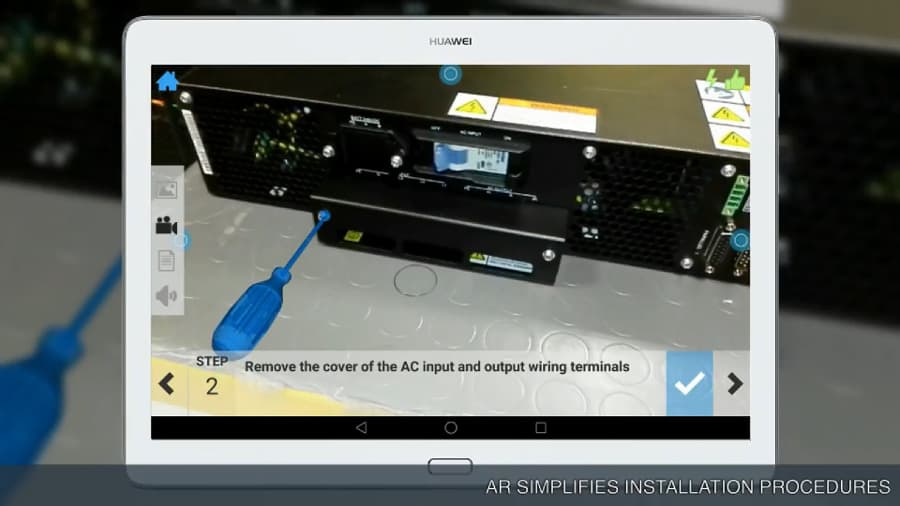
A more recent application the Chinese manufacturer focused on regards the Huawei UPS2000-G installation procedures, used to power the network infrastructure support equipment. This scenario requires the technician to use step-by-step instructions with Augmented Reality graphic elements and animations to perform assembly and wiring operations, quickly and easily locating the intervention areas on the equipment and performing her technical assignments. During the process, the technician is supported in choosing the most suitable tools for executing individual tasks.
The solution has been implemented by means of HyperIndustry. Hyperindustry is Inglobe Technologies’ Augmented Reality Platform for industrial enterprises. It is composed by two modules: a web-based backend that allows you to run the procedures authoring workflow; and a mobile client that can be deployed on iOS, Android, and wearable devices, allowing field technicians to receive directly assignments on their own devices and to synchronize the outcome of their activities on the platform.
On October 19th and 20th 2017, the European edition of AWE, Augmented World Expo, the most important event in the world on the topic of Mixed Reality, will be held in Munich, Germany. AWE Europe 2017 is structured in a number of activities that include keynote speeches, specialist speeches from AR and VR industry experts, developer workshops, pitches of some of the most promising startups, and more.
This edition of AWE Europe promises to be particularly interesting as it is the first appointment that follows the release of ARkit by Apple and ARcore by Google, namely the tools that have been animating the debate over the past few weeks, demonstrating the potential of native mobile AR in countless demo applications that developers around the world have begun to share. Another key topic will be the so much debated AR Cloud as a viable scenario of mass adoption of the technology.
As usual, both for the American and European editions, Inglobe Technologies will take part in the conference with a speech by our CTO Alessandro Terenzi on “Practical Object Tracking for Augmented Reality“, a session devoted to exploring the methods and bounds Object Recognition with AR, in a number of areas spanning from Cultural Heritage to Smart Manufacturing.
The annual IT Weekend Ukraine has been bringing together 1000+ attendees to dive into the world of innovations together with global tech experts. During 5 years, the event presented speakers from SAP, Skype, IBM, Intel, HP, Dell. For 2017 IT Weekend Ukraine will be exploring digital transformation by showcasing the latest developments in Robots & Machines direction with a focus on Artificial Intelligence, Virtual and Augmented Reality, Big Data and Data Science as well as Bots and Machine Learning.
We proudly take part to the event and will be contributing with a speech about “Practical Object Tracking for Augmented Reality“, a talk about the State of Art of Augmented Reality technologies with a focus on the latest achievements related to 3D object tracking. The typical processes involved in the creation of robust 3D trackable data will be discussed using both CAD-based and photogrammetry-based approaches, showing the strengths and weaknesses of each. Practical use cases will be discussed with meaningful examples taken from the Industry, Cultural Heritage, AEC, Gaming and Publishing sectors.
A few weeks ago Super Ventures, an Augmented Reality fund and incubator based in San Francisco, published the first comprehensive AR landscape map in order to classify the most promising startups and companies in the ecosystem.
The result is a map organized into 6 different areas: applications; tools; devices, input, output, components.
We can’t consider Augmented Reality just as a promising technologies anymore, not with such an ecosystem and not now that even the giants are jumping on the bandwagon with innovative solutions, Apple being the very latest with its ARKit. It is much more than promising. All the hype around Mixed Reality technologies may attract many investors, but their journey in understanding and sorting all the possible opportunities is not an easy one. This is why Super Ventures took the time to identify the opportunities in relation with the belonging field, be it hardware or software.
Inglobe Technologies has been included in this AR Landscape map in the “Tracking SDK” section inside the “Tools” area thanks to its AR-media SDK and object tracking technologies. Actually Inglobe also develops authoring and publishing tools for Industry 4.0, New Media and Cultural Heritage.
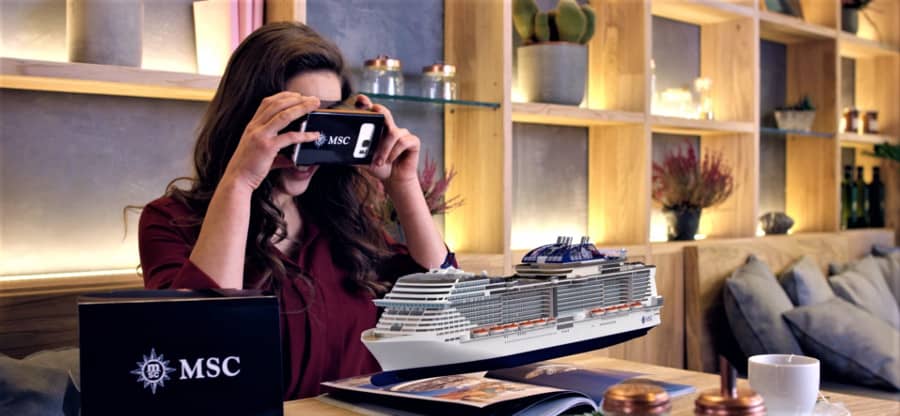
Last year MSC Cruises, supported by Axed Group in collaboration with Inglobe Technologies, Onemore and D2B, created the first mixed reality catalog for sale of cruises through the travel agency channel. The experience consisted of displaying 360° photos and videos relative to the MSC cruise ship environments and to the locations of the various routes available. Potential customers could try to preview the cruise experience from an entirely new point of view than that offered so far by the traditional catalog.
This year, for the 2018-2019 edition, MSC Cruises has gone further and wanted to offer an even more immersive experience by adding Augmented Reality to Virtual Reality, thus offering the first Mixed Reality catalog for cruises in the world.
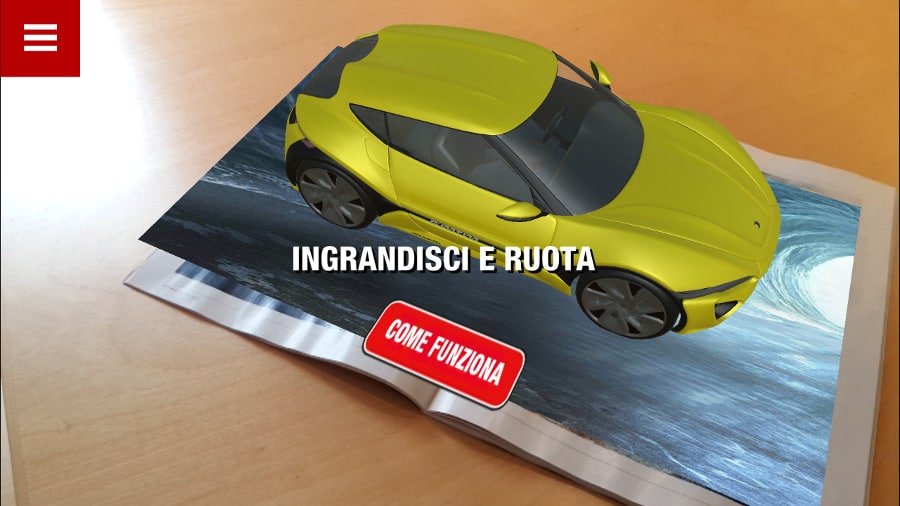
The application allows users to rely on their mobile devices to view 3D models of MSC ships, which seem to emerge from the paper catalog pages coming to life and offering an interactive perspective. In fact, you can access the panoramic views that cast people inside the environments of the ship by enabling an immersive exploration thanks to the selection of hotspots available in AR on the three-dimensional model of the ships.
Google Cardboard visualization is also available, for an even more immersive user experience.
On december the 20th 2016 issue #291 of Focus was released on newsstands, the historical magazine published by Mondadori which explores topical themes such as science, innovation, behavior and culture, which is also the most read magazine in Italy. The novelty is that starting from this issue, Focus is enriched with immersive content with augmented reality, making the reading experience even more engaging and exciting.
How does the Augmented Reality magazine works
Focus readers with a smartphone or tablet can download from the stores the app Focus Realt? Aumentata for Android and iOS, which enables content in AR by simply framing the pages of the magazine to which are associated ?augmented? contents. The cover of issue #291 of Focus and several inside pages of the Augmented Reality magazine come to life by showing the reader immersive multimedia experiences related to the contents.
We are talking about 3D animations, 360? videos, thematic tests, mini games and panoramic photos that add information and understanding to the text and images available to the reader, which is not limited to view only, but can interact with and activate a series of additional content according to her curiosity.
Inglobe Technologies innovation in the solution for Mondadori
The Augmented Reality technology is provided by Inglobe Technologies, which for ten years has been involved in the development of pioneering AR solutions. Back in 2007, when the advent of smartphones had not yet occurred, Inglobe had launched the idea of an AR book on the solar system. A few years later, in 2011, Inglobe has released a whitepaper on innovation in publishing through Augmented Reality.
Today, almost 10 years later, thanks to the advent of the mobile and AR technologies into the mainstream, Focus Mondadori has embarked on a path of high-impact product innovation. In this context, Inglobe oversaw the entire development of the apps for Android and iOS working on contents edited by Mondadori.
The technical features of the project include the recognition of planar images -the pages that trigger AR experiences-, gamification experiences, which allow readers to interact with contents, 360? photos and videos and a range of interactive and 3D tests.
Augmented Reality in Publishing and the future issues of Focus
The path taken by Mondadori with the introduction of Augmented Reality in one of its leading editorial products highlights?two trends in the publishing industry: the first one concerns the strong need to give new life to this medium that always suffers more competition from new media and new ways of information fruition; the second one concerns the possibility of offering highly engaging content to readers thanks to the opportunities made available by the Mixed Reality. The?leading players in Publishing?are likely to move towards this direction if they want to keep an updated and attractive product for readers.
Issue #291 of Focus’s Augmented Reality magazine is not a random experiment, but a path that will continue in the future with the regular publication of monthly issues enriched by augmented reality experiences, providing for the adoption of a technological solution specially designed for the publishing industry. We look forward to the next issue #292, to be published at the end of January.
Inglobe Technologies recently released a new version of its popular AR-Media SDK, now available as version 2.1.0. New sophisticated features, alongside with bug fixing and general improvements, are now implemented into the SDK in order to satisfy even the most demanding developers, willing to create memorable augmented reality experiences.
AR-media SDK 2.1.0 release highlights
Multiple object tracking
This is a new unique and exciting feature of the AR-Media SDK, which enables you to recognize multiple objects at a time enabling the respective contents at the same time. Multiple object tracking works with 3D objects as well as with planar images and a mix of the two. New advanced augmented reality experiences are now possible thanks to this feature.
Android camera performance
Camera performance on some Android devices has been improved and made much more smooth.
API documentation
AR-Media SDK API documentation is now complete and exhaustive. Check it out.
Upcoming features
Even though only available upon request, by the moment, the SDK will soon include a specific support for Samsung Gear-VR, enabling the creation of applications which can run on such device in Augmented Reality mode! This feature has been deployed in a relevant project in which we recently took part in the field of cultural heritage enhancement.