Category: Cultural Heritage

  • The best AR Apps for your Holidays

    The best AR Apps for your Holidays

    It’s finally that time of the year where you pull out your dusty suitcase, put on your favorite sunglasses and leave the city to go towards exotic beaches, steep mountains and unexplored places. On the other hand, we know that going for holidays can be very tricky and stressful sometimes, for example when you get lost in the middle of the Sahara desert where all you see is sand, or when you can’t find your way out from the depths of the jungle with that tiger staring at you…. Ok, perhaps we are going a bit extreme, but your struggle during your holidays may be very real. 

    Luckily, we have some Augmented Reality tips that can help you relax a little bit more and enjoy your holiday the way you deserve. Whether your dream place is the highest peak of a mountain or the flattest wave of the ocean, we got you covered. Let’s discover now the best AR apps for your holidays.

    ar holidays

    The best AR Apps for your Holidays into the Wild

    Peakvisor

    If you love trekking and exploring new mountains this AR App is a must have. Peakvisor allows you to instantly see the names of the mountains in front of you, so that you immediately identintificate where you are and your surroundings. By pointing your smartphone in front of you, little banners with the names of the mountains will appear together with the high. Moreover, Peakvisor also has a 3D map program incorporated so that you can do your research before going exploring. Being an App for explorers, it can also work offline, you just have to remember to download your trails before your hiking.

    iNaturalist

    While hiking, we happen to meet unseen gems like particular flowers or rare trees and unfortunately we might not know what kind of plant/tree is. With iNaturalist, by scanning the image in front of you with the camera of your smartphone, you are able to see the name and some information about the plant you are looking at. Of course you might encounter some inaccuracies. For example if the quality of the image is not very high, the system might not be able to recognize the right species, or if the element you want to know about is too rare you might not find it at all inside of the app. This App, indeed, is managed by experts and a community, that is why it can happen not to find the exact match.

    iOverlander

    iOverlander is one of the best Apps for campings. Using GPS recognition, it allows you to find the perfect camping spot WORLDWIDE. It also gives you information about the condition of the campsite, where to find water, food, wi-fi and nearby points of interest. The beauty of iOverlander is its community: you will find lots of people just like you that give tips and precious advice in order to give you the best camping experience.

    peak ar app holidays

    The best AR Apps for your Holidays in a famous City

    Are you thinking about going to visit a new city and feeling afraid not to make the best of it? Well, it all depends on which city you are going to. There are some tourist places now that have implemented AR in their touring guides in order to give to the tourists more immersive experiences of their City and a fuller and deeper involvement in the exploring aspect. 

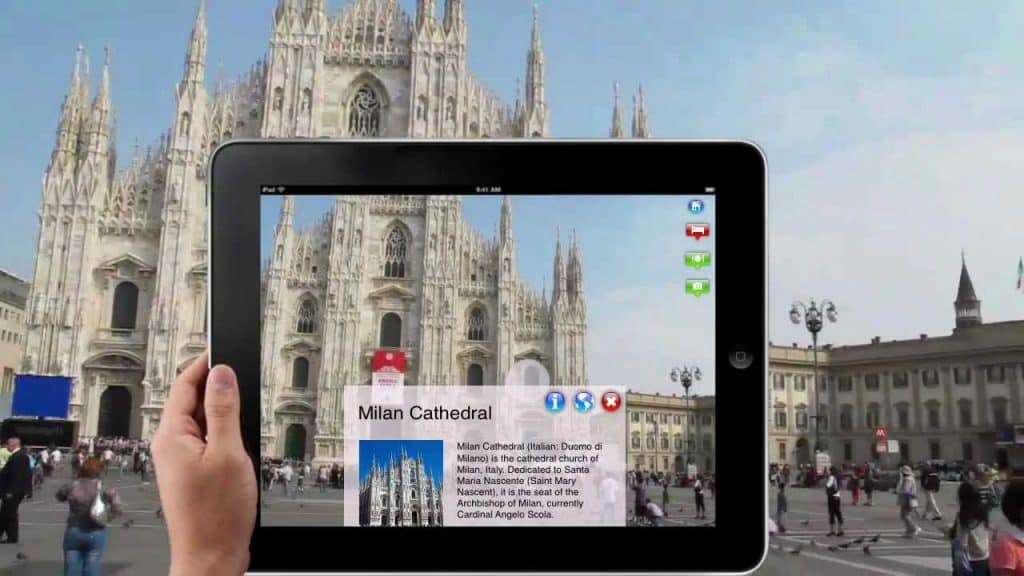
    For instance, if you are planning to spend your holidays in the north of Italy, you should definitely have on your smartphone AR Apps like TabUI. TabUI is an Italian App that allows you to gather information about the places you are visiting by simply pointing your smartphone at your point of interest. For now, though, it only works in some areas of North Italy. While, if you are keen to visit Italian Architecture Monuments among the cities of Turin and Rome, you don’t want to miss trying Arch.i, an AR App that works by pointing your smartphone at basically any monument of architectural work to instantly have the chance to know everything you want about it. Moreover, if you are planning to stay in the Italian Capital a little bit more, we suggest using another AR app that can guide you through the ancient streets of Rome and tell you everything secret of the Roman Empire: Charta Roma. 


    Other numerous Apps that help you visit a place in a deeper and more immersive way might be “Santorini AR”, focused on the greek city of Santorini and “National Parks by Chimani”, an amazing Augmented Reality Guide that will let you explore the American National Parks in way you have never imagined.

    best ar apps for your holidays

    Your must have AR Apps for every Holiday

    Virtlo

    Virtlo is an Augmented Reality App only available for IOS for now, able to tell you all the points of interest nearby, such as restaurants, hotels, museums, parks and even stations by using your smartphone. You can also see the distance from where you are so you can explore the city in the best way possible. The app is completely free and it’s open source, which means that everyone can add some tip or point of interest and help the others.

    ar app

    Google Translate

    How not to mention Google Translate when it comes to travel and technology? Google Translate allows you to instantly translate every written word to every language by putting your phone’s camera on the word you want to translate. Google will do all the rest. This means that if during a trip you want to know what is written on a street signal, in a restaurant menu or a contract, you can instantly translate it by using your phone. Of course, you need to be careful because not every translation is accurate and the chances of a misunderstanding are quite high, but for basic sentences it will work just fine. 

    All you have to do now is just pack and enjoy your holidays, wherever you are going!

  • Boosting tourism with Digital Heritage

    Boosting tourism with Digital Heritage

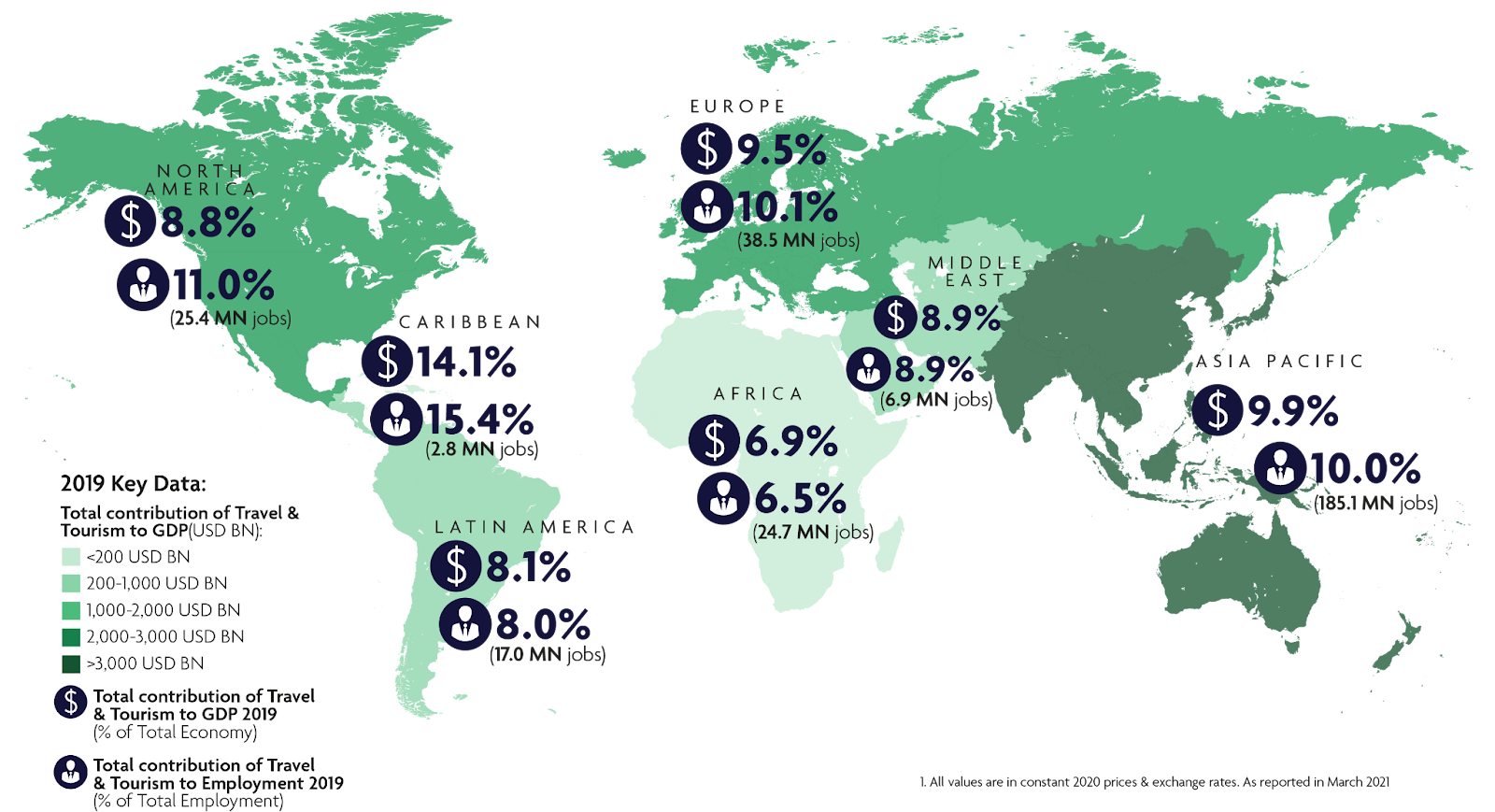
    Pre-Pandemic values for the Travel & Tourism Industry, according to the WTTC, accounted for over 10% of the global GDP, meaning it’s still one of the most attractive activities for people worldwide, who are constantly looking for innovative and engaging ways for exploring cities, landmarks, museums and other attractions.

    The demand for memorable experiences, coupled with the advancements in the technology, led to the transition from Cultural Heritage to Digital Heritage.

    According to UNESCO, Heritage is defined as “our legacy from the past, what we live with today, and what we pass on to future generations. A heritage is something that is, or should be, passed from generation to generation because it is valued.”

    Furthermore, UNESCO defines Digital Heritage as something that “is made up of computer-based materials of enduring value that should be kept for future generations.”

    A survey from Osservatori Digital Innovation gathered information from over 400 Italian cultural heritage operators, finding that 11% of them are already providing AR/VR experience to their visitors, while 50% of them are thinking about introducing some sort of immersive experience in the future.

    This premise prompts us to explore in more detail the Digital Heritage industry and the process and tools needed to design and implement successful immersive experiences in the cultural heritage sector.

    Digital processing of historical and documentary research

    Designing Digital Heritage experiences requires a preliminary stage related to historical research in order to guarantee a high degree of accuracy of both storytelling and digital assets. It is true that immersive experiences have to be entertaining, but they have to be accurate and scientifically verified nonetheless.

    Typically during this stage, experts from different disciplines have to be involved in the process, from historians to archeologists, including software developers and digital creatives.

    The output should be a scientifically validated set of digital assets that will be included in the web, mobile or wearable applications.

    Digital Heritage historical research

    3D Modeling and Reconstruction of Objects and Monuments

    Once the historical context has been defined, it becomes possible to start creating the digital assets to be incorporated into the virtual experiences.

    As of today there are several different ways to produce 3D content with the two most common approaches being 1) from a photogrammetric survey and 2) from scratch.

    Creating digital assets starting from photogrammetry

    There are a few reasons why a team working at a Digital Heritage project decides to rely on photogrammetry for the reconstruction of objects, monuments and environments in general, the first one being the ability of scanning large sites and objects in a short time, while getting a high degree of accuracy and quality. Furthermore, photogrammetry is often used to get tracking data needed for 3D object recognition and tracking, a method used for Augmented Reality experiences that require the perfect superimposition of virtual content to the real object.

    The benefits of using photogrammetry come also with a few downsides. Working with photogrammetry requires the digital team to be on-site, often requiring special permissions to operate in areas with restrictions, especially if using drones. Moreover, photogrammetry may be expensive in some cases because it requires special equipment (not always) such as depth cameras, drones, etc…

    Finally in order to obtain the final 3D product, photogrammetry requires a few stages of processing and optimization.

    Alongside with photogrammetry another popular visual surveying technique used for Digital Heritage capture is laser scanning.

    Creating digital assets starting from scratch

    In some cases the project team decides to go for creating objects and models from scratch and that may be for several reasons. For example the site or object may not be readily available for photogrammetry or laser scanning, or simply the Digital Heritage project may be related to sites that just host a few ruins, while the ancient monuments that have to be 3D modeled have gone completely lost.

    In the scenario of creating 3D assets from scratch implies following a workflow based on 3D modeling software, such as 3ds Max, Blender, Maya and so on, and all the due optimization activities. By optimization we mean creating a digital project that runs smoothly on mobile and/or wearable devices, that typically don’t have the same processing power that dedicated workstations for 3D modeling have.

    This 3D models’ optimization for Augmented and Virtual Reality requires activities on poly count and textures mostly, in order to make them suitable for the target devices.

    Fountain 3D Model Augmented Reality Digital Heritage

    Digital storytelling and Immersive Tours

    When dealing with Digital Heritage projects the goal is usually to provide a highly engaging experience for tourists and visitors, letting them discover venues with innovative tools and techniques.

    One of the most important elements to engage the user is to design and create a digital storytelling that puts together history, curiosities and fun in a single experience.

    The storytelling can be designed by giving the experience a chronological sense, or even by letting users explore without a given order, and that has to be decided according to the peculiarities of the site.

    Enjoying AR & VR Digital Heritage experiences can vary greatly in terms of user experience and technical approach, depending on the location of the experience with the main distinction being between indoor and outdoor.

    Digital Heritage Indoors Immersive Tours

    Indoor environments are typically more controlled in terms of spaces, lighting and routes. Objects inside museums, art galleries and other indoor institutions are less subject to changes, they are not affected by climatic aspects, changing lighting conditions during the day and that makes it generally easier to design, implement and even run Digital Heritage projects.

    For indoor projects it is also easier to manage devices, if the experiences foresee their use, compared to outdoor areas where there may be no boundaries at all and controlling how devices are being distributed and recollected can be more challenging.

    A relevant project of indoor Cultural Heritage valorization in which Inglobe took part, which we consider worthy of mention is the “The Ara As It Was”, regarding the Ara Pacis, an ancient Roman altar hosted in a spectacular building in the heart of Rome.

    Digital Heritage Outdoors Immersive Tours

    When target sites are located outdoors the technical approach followed and the resulting user experience can change compared to indoor locations. That’s the case of archeological sites and city tours for example.

    Working outdoors implies being subject to day and night, varying lighting conditions, varying weather, seasonals changes in the environment and so on. All these variables make it harder to design a solution that works in all such conditions and may require some kind of adjustment.

    For example when working with Object Recognition, varying lighting conditions and shadows are challenges that must be properly tackled.

    In some cases devices used outdoors can suffer some kind of stress as well, like for example extreme temperatures that can jeopardize proper operation. These issues can be mitigated as well with the proper experience and equipment.

    A relevant project of outdoor Cultural Heritage valorization in which Inglobe took part, which we consider worthy of mention is the Circo Maximo Experience.

    AR/VR Authoring Workflow for Digital Heritage

    Depending on how the project has been designed and on what kind of device it will have to run, there can be several options for the development of the experience. The project may run on one or more of the following: web browser; mobile device; wearable device.

    The user experience will necessarily be different on these platforms, since on some you interact through the mouse, on one interaction is managed by taps and in other cases interaction is voice controlled or even totally automated.

    Development platforms may include custom coding using an Augmented Reality SDK, development on Unity or Unreal Engine and it may or may not include mobile/wearable development if the experience has to be packed for such devices.

    However on the market there are tools like AR-media Studio that let you easily integrate your immersive content (3D, 360s, Videos, etc…) in a straightforward manner, by using a visual approach that requires no coding at all.

    Creating Digital Heritage projects with AR-media is easy and fun. Contents can be downloaded right away or can be saved on devices for later use, a useful functionality when there is a chance of using devices in remote locations or in absence of an internet connection.

  • 2022: the rise or the fall of NFTs?

    2022: the rise or the fall of NFTs?

    In the past year, NFTs became one of the most talked-about topics in the crypto-world, marking their biggest rise since their creation in 2014. So, if 2021 marked an incredible increase of NFT, what can we expect from NFTs in 2022? Will 2022 be the rise or the fall of NFTs?

    Well, before making any predictions about the future, let us take a step back and analise what we are really talking about. What is an NFT? 

    What is an NFT?

    Before discovering wether 2022 will be the rise or the fall of NFTs, let’s start understanding what they really are. NFT is the acronym of “Non-fungible-token”. It is “fungible” anything that can be exchanged or replaced with something identical, whereas “non-fungible” is everything that cannot be replaced, something unique. For example, it is possible to change/exchange any kind of banknote, that means that it is “fungible”, but it is impossible to change an NFT with another since it is not interchangeable. Each NFT has unique properties and is not worth the same amount as another one.

    The biggest characteristic of the NFT is its “digital exclusive”, in the sense that an NFT can only be anything digital: a drawing, music, game-item, a video… everything that can be put in the digital world (so basically everything) and that can be traded with cryptocurrency (the most used in this field is Ethereum, but there are many more). Anyone has probably heard about the NFT of the first tweet in history, created by the Founder of Twitter Jack Dorsey, sold for over $2.9 million. Curious to know more about it, now?

    Dorsey nft tweet

    Create and sell an NFT

    Non-Fungible-Tokens can be bought and sold, exactly like other cryptocurrencies, on specialised platforms. One of the biggest NFTs platforms is OpenSea. OpenSea is a marketplace specialised in the buying-and-selling of crypto currencies and digital assets. It’s based on the Ethereum Blockchain (one of the most known cryptocurrency at the moment after BitCoin). The reason why OpenSea is gaining popularity day by day is its extreme simplicity. In fact, it is very intuitive and easy to use. All you have to do is create an account on the platform, connect an Ethereum wallet and upload the digital contents you want to sell. 

    open sea website

    How NFTs can change the art market 

    Needless to say, the art market, above all the others, is the one that, maybe, compose the biggest part of the NFTs, indeed, one of the most appreciated aspects of the NFTs is exactly its use for the digital art market. Until now, digital artists have always struggled with the economic and recognition part of their work since this idea of “an easy-to-replicate” kind of art and therefore the tendency of being less considered. With the “non-fungible” aspect, NFTs can totally reverse this factor and digital art creations, making every NFT unique. In this way, finally, the digital art world might have the recognition it deserves and be “treated” exactly like any other tangible artistic work. Apparently, the rise of the NFT in the art field is due not only to the possibility of seeing your artwork recognised, but also to the possible and appealing amount of money that an artist could do with its art, because of the tendency of taking as example some of the “ones who made it”, for example the Digital artist Beeple who sold “Everydays — the First 5000 Days” for $69.3 million or the famous CryptoPunk NFT sold for $1.8 million. 

    NFTs monkey

    NFTs are not just related to art…

    It must be said that Non-fungible-tokens are not only applicable in the Art area. As said, everything that can be digital can be transformed into an NFT, thus, you can now have access to certain events only by buying a special NFT ticket. The ultimate news makes it known to the world that in 2023 we will also be able to see the first NFT Restaurant directly from New York, where, by owning a Restaurant NFT you will somehow receive a membership that allows you to enter and hopefully dine in the Restaurant. 

    nft restaurant

    AR NFTs, the new frontier 

    2021 was the year of NFTs. Well, they actually existed since 2014, but this past year they experienced a real massive explosion and, whether you are an expert in the subject or not,  you have probably heard this word at least once by now. 

    Thus, for 2022, the NFT world is beginning to speak about AR NFTs (Augmented Reality Non-Fungible-Tokens) as the new frontier of the NFTs. For the first time, NFTs which have always been restricted in the bidimensional world, could now have access to the three dimensional world. In other words, including the AR element in the creation of an NFT you add the ability to visualise it in your physical surroundings by using a specific app or a website. 

    Moreover, the use of AR NFTs could add the “scarcity aspect” even more. Indeed, especially for the tourism sector, it could be interesting adding some AR content only available with NFTs, such as a particular AR guide in a museum, 3D access to exclusive parts of the gallery or even the chance to see a work of art such as a paint or a sculpture in a deeper and more accurate way. 

    As we have seen so far, creating an NFT is quite simple and intuitive (especially using well known platforms). What could seem a little bit more challenging is creating an AR NFT, since it might require the addition of tools and platforms that allow the visualisation in the environment. The biggest advantage, though, is exactly this one: in a world where NFTs are created with an extreme simplicity, having the possibility to create a different work could make the creator stand out among the others, creating immersive and outstanding experiences.

    ar nfts art

    Why NFTs could fall 

    According to a large part of the web, though, Non-Fungible-Tokens are going towards a slow fall, especially due to the several damages that they might be responsible for. Thus, it would be irresponsible to not mention the risks and disadvantages that occur in selling and buying NFTs. 

    Owning an NFT does not mean you can use it

    The first incomprehension that seems to appear all the time is actually around the very definition of NFTs. Indeed, buying and “owning” a specific NFT does not mean being able to do everything you want with it, like copy it or using it for other purposes. You just own it. That might generate concerning thoughts about the very reason why you should buy an NFT in the first place, if basically it might be something that can be seen/listened/viewed anytime from any screen. 

    “Different” points of view about NFT art really is

    Another concerning aspect of NFTs involves the art market. Apparently, the large amount of “artistic creations” in the NFT world may actually damage the NFT art market, because of the speculative aims that non-artists can have. That is why considering art something like code-made lions or monkeys for many users can appear difficult and people start asking if creations that do not seem very “artistic” (maybe because of a lack of emotions, soul and passion put into the creation of them) might not be worth buying and therefore create mistrust.

    The risk of getting scammed

    Despite its large popularity, NFTs world does not have legal guarantees yet that protect buyers and sellers, thus the chance of being scammed seem to be quite high. The buyer can never really know if the NFT bought refers to something created by the seller or if it is something taken from other parts. Something even worse could occur, like selling NFTs that are not even present in the digital world. 

    The negative impact on the environment

    Another aspect that needs to be discussed is the environmental one. The super strong computers that generate NFTs consume an enormous amount of energy. These computers need very high capacity in order to work with the Ethereum Blockchain and guarantee proof-of-work (sort of security system that oversees transactions in the cryptocurrency world). In fact, when selling and buying an NFT, there is the so-called “gas fee” which is exactly a fee that needs to be paid for having used a large amount of energy. There are websites, such as cryptoart.wtf where it is possible to see the amount of emission that NFTs are making. According to cryptoart, the footprint of the NFT Space Cat seems to be not so far from the electricity usage for two months of an EU citizen. 

    NFT environment

    At the end, it is quite impossibile to declare wether 2022 will be the rise or the fall of NFTs. What we can say is that despite all the risks and the disadvantages of selling/buying NFTs, it must be said that the predictions are quite positive. Apparently, the NFT market is going to change, improve and surely become bigger. There are already movements towards an NFT market greener replacing proof-of-work with proof-of-stake. According to the crypto experts, something about the safety of buying/selling NFTs will be made soon. About NFTs creators, instead, it appears that  Augmented Reality will play a very significant role in the renewal of the 2022NFTs.

  • Art Galleries meet Augmented Reality

    Art Galleries meet Augmented Reality

    Art galleries with Augmented Reality are changing considerably, moving more and more towards the world of digitalisation, promoting a new contemporary way of experiencing and looking at art.??

    Art galleries are making room for the world of optical illusion and 360-degree augmented reality, experimenting with new ways of making and communicating art. AR adds new elements to the real world of art galleries and is a simpler and more mature technology because it manages not to distort the history and elements of that place, but instead adds more engaging ways of enjoying it and spreading its beauty.

    art galleries with augmented reality

    New technologies, such as AR, have strengthened the relationship between artists and viewers, improving their ability to understand and evaluate the work of art despite the increase in distances and the relative division caused by the physical detachment that has affected this historical interval. This is precisely where Augmented Reality is making its appearance, a digital technology that is increasingly being used in the art world not only to provide the audience with new experiences, but also to find new ways of bringing art to the public, becoming more immersive and improving the experience inside galleries.?

    Augmented reality for art

    If until now we thought of Augmented Reality as a tool used only and exclusively in the world of games, today it is increasingly expanding its horizons by positively affecting the world of art, adding elements of entertainment and surprise, thus increasing visitors? engagement. AR offers the possibility of living original and highly personalized experiences. 

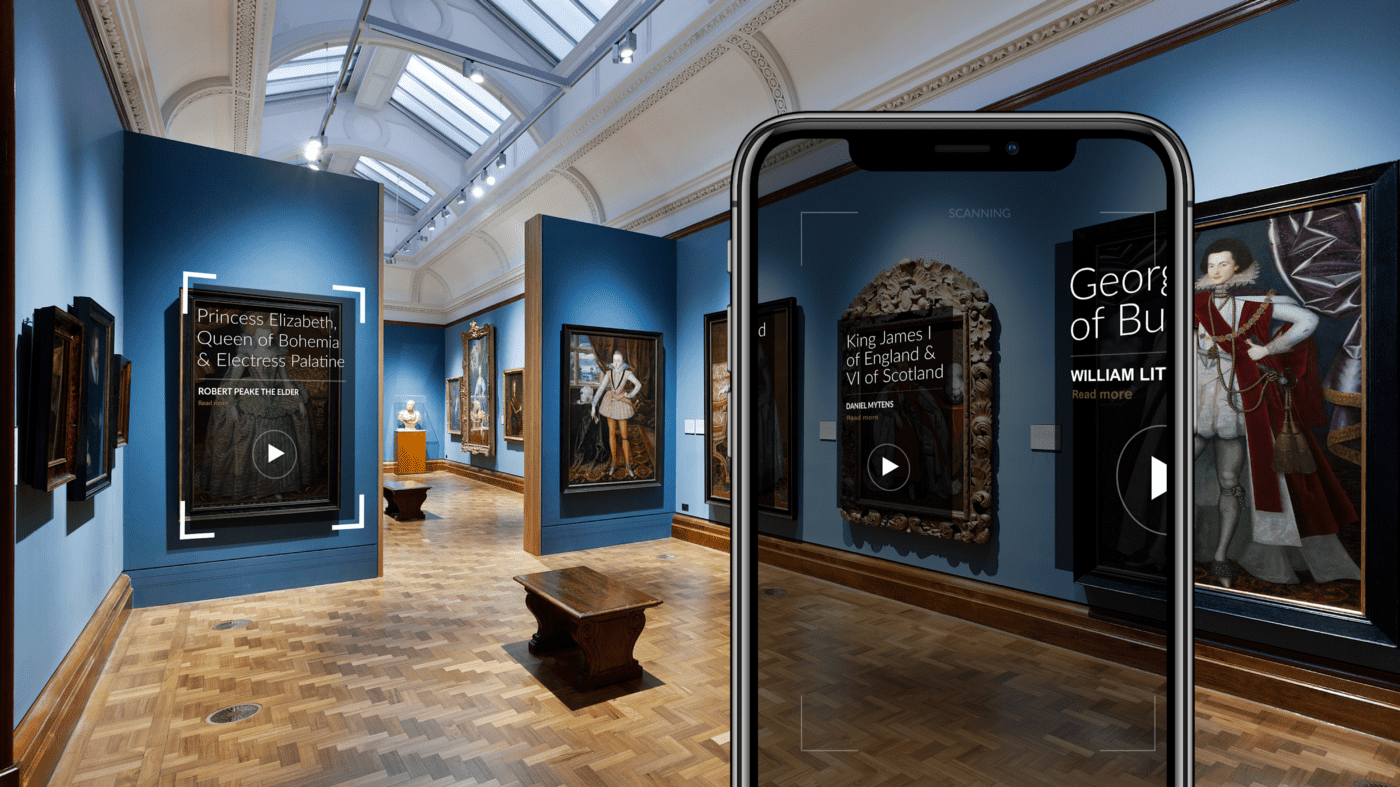
    Through the use of electronic devices, such as smartphones, tablets and wearables, it is possible for visitors to see, in addition to physical artworks, additional virtual artworks in the surrounding space of the art galleries and museums. Such pieces of art can be visualized in their real size, can be moved and manipulated freely (zooming, rotating, etc?). Augmented reality is destined to be increasingly exploited in the art world, not only as an alternative to a physical exhibition, but also in support of it.

    Ar in paintings

    By the end of 2022, according to Gartner’s The Future of Immersive Experiences research, 70% of art galleries will have experimented with immersive technologies to make the visitor experience unique.?

    Augmented reality painting

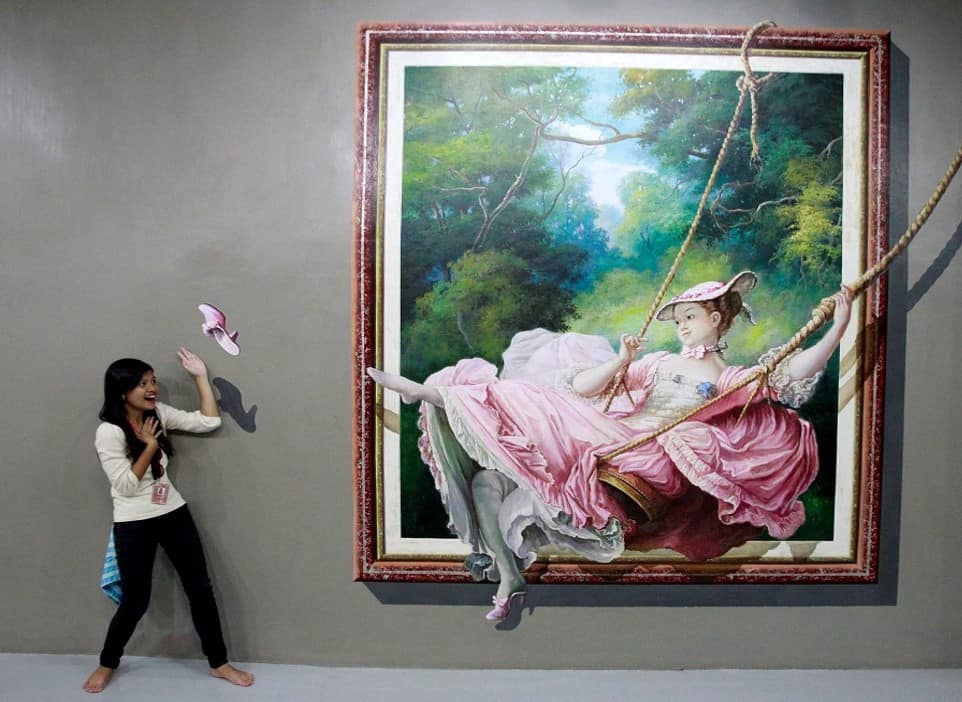
    With AR, even paintings come to life, acquiring three-dimensionality, becoming interactive with the user?s touch, transforming and moving, finally developing new surprises for the viewer with unseen and engaging virtual visual effects. Digital technology is opening up a new dimension of art and new ways of enjoying it, bringing the secrets of artistic language closer to an increasingly wide audience. Touching works of art, an action that is definitely not permitted in museums, has become the dominant experience of viewing paintings. It is indeed very common to find displays of varying sizes in museums and art galleries, however they often provide a very limited interactivity, that is also physically disconnected from the artwork itself.

    art galleries with augmented reality

    AR glasses allow several works to be viewed at the same time and to move them freely through space. The use of AR in art galleries brings numerous advantages both in setting up an exhibition and in a museum, let?s explore the most relevant ones.

    Create art galleries with augmented reality: what are the advantages?

    The advantages, in addition to return on investment (ROI), are many: augmented reality allows younger generations such as Millennials & Generation Z to be involved, and offers the possibility of retargeting operations, that is, personalized ads that intercept users based on their online behavior, as well as the attention of the public, conveying a sense of freshness and innovation and thus increasing perceived value.

    https://www.inglobetechnologies.com/ar-media/

    A cultural visit that is different, alternative and/or complementary to the traditional one, allowing the user to live a totally immersive experience and the art gallery to increase profits and earnings. 

    art galleries with augmented reality

    In addition, augmented reality allows for greater usability by reaching geographically dispersed audiences. It is an ideal tool where there is no possibility to visit a live art gallery. 

    All these different advantages allow the art gallery to attract an increasingly diverse audience, thus increasing engagement and interaction. Augmented reality is coming to generate a hybrid of dream and creation. An artist can decide to let us enter directly into his mind, into the way he perceives the world, involving us at 360 degrees. 

    Examples of art exhibitions in augmented reality:

    Augmented reality in the form of multimedia storytelling is becoming increasingly popular. Art galleries are offering visitors special glasses or inviting them to download an app on their smartphones that allows them to see additional virtual content such as images, videos, 3D models and listen to audio files in real time while simultaneously observing what they see. 

    – In Italy, more precisely in Palermo. 30 young creatives, including artists, designers, architects and graphic designers, during a Public Imagination Workshop “Call for (AR)tist”, hosted by Palermo’s Gallery of Modern Art, adopted 20 works of street art scattered throughout Palermo’s historic center and based on them created new digital animations usable in augmented reality.

    paintings

    – The initiative launched by the Art Gallery of Ontario was also very successful. The Toronto gallery used digital technology to animate the paintings in its rooms. Thanks to the support of their electronic devices, visitors were able to interact directly with the subjects depicted in the paintings. For each painting, there was not only an explanation, but also a character who came to life telling stories to the visitors.

    paintings

    – Lisson Gallery, with exhibition spaces in London, New York and Shanghai, has launched an augmented reality app that allows you to view the works inside your home, an online exhibition by artist Rodney Graham. The effect of augmented reality comes close to the real thing and can be viewed and edited.

    
paintings

    – The Looking Glass aims to transform some outdoor spaces into a large open-air museum, to be explored with your smartphone. To admire the works of art, all you have to do is download the appropriate app and place the device in front of the various QR codes scattered around the city. Once the simple operation has been completed, the seventeen works of art by KAWS, Olafur Eliasson, Tom?s Saraceno and the winner of the Frieze Artist Award 2021, Precious Okoyomon, will magically appear in the urban space. A myriad of impalpable and ephemeral “sculptures” to be visualized thanks to technology.

    art
  • City Tours with AR & VR: travel beyond the limits

    City Tours with AR & VR: travel beyond the limits

    City Tours with AR & VR offer tourism unlimited possibilities to engage the consumer, tourist visits could become more interesting and particularly attractive for all types of visitors, including the youngest. Virtual reality involves the use of a headset, which helps to bring a user into a digital environment. Through the use of images and sounds, the user is placed in a virtual world, in which she can move around and interact with the environment. Augmented reality city guides can create a fun, interactive and flexible way of visiting the city.

    Immersive City Tours create an interesting new way to explore a new and unfamiliar city as well as cultural heritage sites. Using dedicated AR & VR applications for mobile or wearable devices, pieces of useful information can appear at certain locations, for example playing videos of major attractions, displaying tourist itineraries and also offering the possibility for users to set a destination and create a customized route according to their needs and tastes.

    AR & VR City Tours combine new advances in Augmented Reality and Virtual Reality technologies to provide travellers with more exciting and smart tour guiding experiences. Wherever they are, users can take advantage of these technologies to experience their next travel adventure. The use of 3D and other multimedia content can help capture users’ attention through sensory experiences, stimulate or recreate certain moods and feelings, create stimuli and invite action.

    Let AR & VR apps become your personal City Guide

    Every city has a wonderful history, hidden around every corner of it, through City Tours you can discover lesser known places, bring historical buildings back to life exactly where they were, linking the past with the present and learning every detail of the city’s history.

    City Tours with AR & VR also allow access to those tourist attractions that, due to certain characteristics such as fragility or danger, are not normally accessible to all, thus eliminating the ecological impact of mass tourism or safety risks. Thanks to these new technologies, it is possible to touch a stalactite that has taken thousands of years to form without running the risk of blocking its normal growth process.

    Moreover, transforming and converting stressful travel planning into a fun experience such as searching for accommodation, transport, restaurants or reviews can become an adventure in itself with 3D animations. 

    Exploring accommodations with AR & VR before booking

    For example, in the Hotel industry, Augmented Reality travel apps offer unlimited opportunities to engage guests and increase the chances of bookings. Information content visualized in an immersive way, also with the support of gamification techniques, can motivate guests to check out 360° room tours and interact with all the available services. You can impress your guests with indoor AR navigations that show a full range of hotel services in an engaging yet intuitive way.

    Adding a layer of digital guidance, visual content and even 3D characters for entertainment, to the exact physical location, makes travel guides more specific, more informative and interactive for tourists. AR applications convert your mobile phone into your own personal virtual travel guide. AR allows you to receive captivating information as you walk.  AR content can also be shared on social media in real time, helping foster word of mouth processes.

    Try before you buy

    Through a “Try before you buy” approach, Augmented and virtual reality can offer hotels, travel agents and other tourism businesses the opportunity to let potential customers experience travel locations virtually. This means that users will be able to experience attractions they are likely to visit, take a dip in the sea or a walk in the mountains, from the comfort of their sofa at home. The actual destination experience. Using a VR visor, people can discover the beauty of the desired destination, with the aim of stimulating in them the desire to visit it live. The user is transported to unique places, feeling like the protagonist of a story that unfolds around him.

    Benefits of using City tours with AR & VR

    The Japanese call it the ‘Paris syndrome’, or the disappointment of those who arrive at their destination, during a long planned and desired trip, to discover that the place they are visiting does not meet their expectations. In some cases, the disappointment is so strong that the tourist is forced to cut the trip short. Virtual reality allows for a complete revolution in the concept of ‘information material’, transcending even multimedia and allowing the traveller to immerse himself entirely in the experience of the place he is going to visit. 

    Augmented and virtual reality applied to the travel sector makes experiences richer, safer, more accessible and increasingly exciting as users explore through city tours, visit cities by virtually walking through their interiors, view main attractions and information through a new modality that creates curiosity in users.  The aim is to create interactive content that accompanies the visitor throughout the experience and builds loyalty. 75% of customers say that the use of city tours has had a critical impact on their travel booking decisions. 

    Numerous studies demonstrated that users spend 5-10 times more time on websites that offer the possibility to travel directly from the couch at home, connecting people with often distant physical spaces. In addition, integrating a Virtual Tour on your website will result in 30% more interactions and contacts and a 20% increase in visitors. 

    AR & VR can offer experiences and information in different languages.  Tourists travelling through foreign cities can get informational and content, translations of signs and much more by simply framing a QR code or framing the work itself with their smartphone to get the information and details in their preferred language.

    Taking a trip through augmented reality allows you to organise it better. The journey will be original, attractive and fun. The power of augmented reality lies in immersion, seeing reality virtually and then touching it.

  • AR and VR can make your museum a memorable experience

    AR and VR can make your museum a memorable experience

    AR,VR and museums may seem two distant concepts, but they are perfectly synergistic since, if used in combination, can create profound and memorable experiences.

    The digital evolution that is affecting many areas of the economy also concerns museums. More and more visitors demand for emotional, engaging and more informative experiences.

    Augmented and Virtual Reality can be the perfect tools to provide a real immersive visit experience, since that can enrich the existing environment with new elements and help the visitors retain their memories for longer. Moreover, such an increased engagement makes them want to share their experiences with other potential visitors, both by word or month or by sharing their thoughts on social media.

    AR technologies support museums to reach a new level of interaction with visitors and offer them a unique opportunity to look at the world around them from a different perspective. Augmented reality gives traditional museums the possibility to incorporate elements of dynamism and movement into their interiors, catching the attention of the public and engaging new visitors.

    The relationship between Augmented Reality and museums aims to enhance the artistic and cultural heritage and to offer a memorable journey, fully involving the visitor, making her feel an integral part of the experience, enriching the enjoyment of works of art with extra information and interactive content. By connecting with some kind of devices, for example a smartphone or a tablet, offered by the museum itself, the visitor becomes more involved and active. In some cases Museums may also release some kind of mobile app that visitors can download and experience on their own devices.

    In order to engage visitors through Augmented and Virtual Reality, museums must integrate innovative but also functional technologies. No visitor would be attracted by applications or devices that are too difficult or cumbersome to use. The visitor experience must be easy and intuitive, and the solutions adopted must be almost invisible and non-invasive.

    What are the benefits and advantages of AR in museums?

    The choice of integrating Augmented Reality in museums gives the possibility to expand the target audience. Experiences can be created with customised thematic paths for children, combining the experience of learning and knowledge with play. Gamification, for example, is an experience that is enriched by the addition of fun challenges, quizzes, puzzles and much more. The more fun it is, the more little visitors will learn and remember. With gamification, visitors can be taken on a journey that includes small mysteries to be solved in order to discover curiosities and include fun and engaging elements into the journey. 

    AR technologies help museums to reach a new level of interaction with visitors and offer them a unique opportunity to look at the world around them from a different perspective.

    The decision to offer visitors an emotional as well as informative and experiential path of knowledge transmission is effective and attractive especially for the younger generations.

    Augmented reality technologies can also help visitors interact with different touchpoints, online and offline, from the website, social media, brochures to multimedia guides, increasing engagement.

    Summing it up, AR and VR have many important advantages for museums such as:

    • Engaging and expanding the target audience
    • Creating increasingly personalised experiences
    • Offering visitors a new, fun and memorable way of learning
    • Creating additional revenue streams through Premium tickets

    What are the most common AR and VR use cases for a museum?

    Depending on the nature and typology of Musemus, Augmented and Virtual Reality can enable a number of different use cases, let?s explore them together.

    A new way to look at paintings with AR and VR

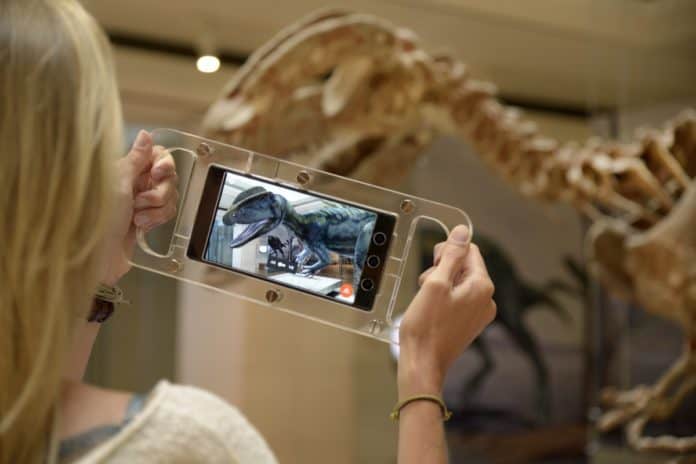
    With the use of Augmented Reality, the visitor pointing the phone?s camera towards a work of art can experience additional content. The user can listen to the description and the story of a work directly from the artist; they can hear ancient songs, street noises, chattering, bringing back to the present the typical environment of the time when the work was created. Extinct animals may come back to life, interacting with the little ones.

    The various ancient wars and battles could be relieved at first hand, scientific demonstrations would be explained with concrete examples. Frescos could be seen by the visitor as new or retrace with the artist the creation of the artwork; paintings could be brought to life and interact with the visitor.

    AR VR IN THE MUSEUM

    Sculptures and buildings can be brought back to life

    The same is true for sculptures or other tridimensional objects exhibited in museums. Immersive technologies can help focus the visitors? attention on specific elements of a work of art, with the help of 3D highlights superimposed on the real object.

    AR and VR have proven to be very useful especially when the goal is to show a visitor how certain pieces of art or ruines used to look like in their former glory.

    AR VR IN THE MUSEUM

    Discover museums through a virtual tour guide

    When guide tours are not available AR and VR come in support by providing 3D avatars or holograms that can guide the visitors through a predefined path and help them get the best out of the Museum, helping them to discover and experience even the most hidden gems.

    ar and vr in the museums

    Preview the museum experience at home

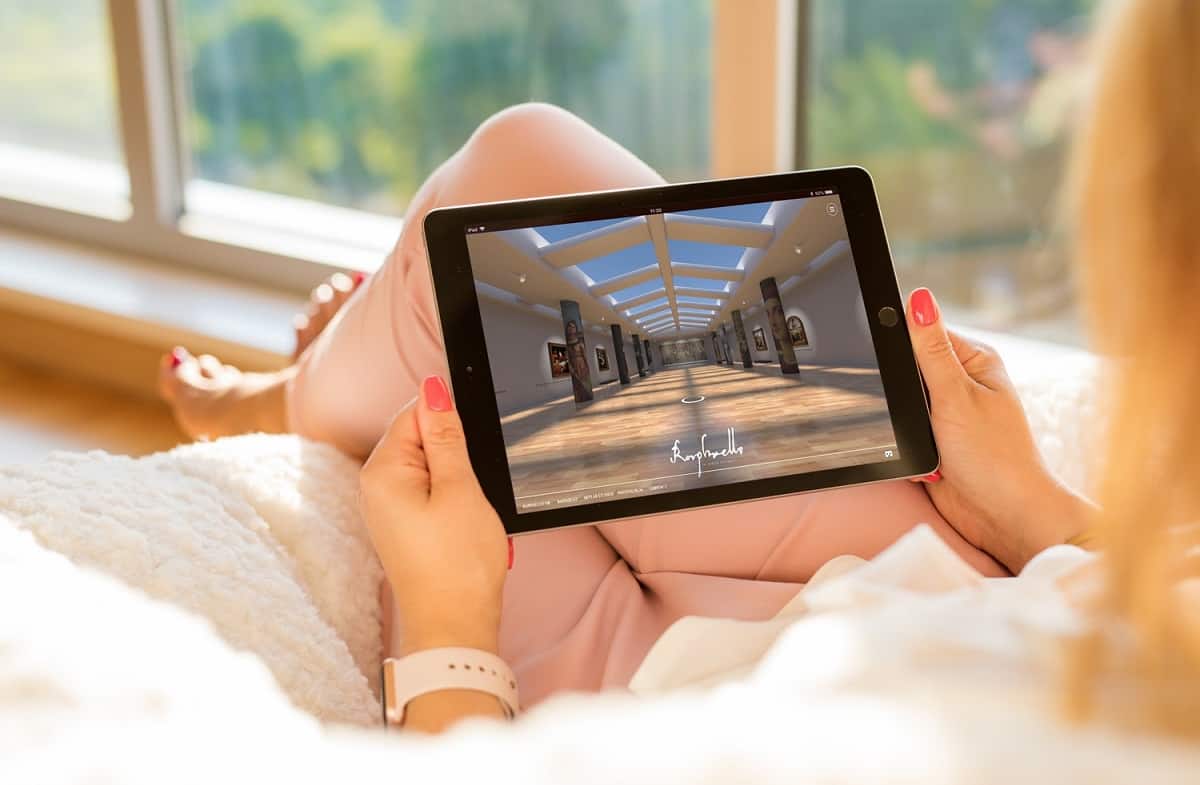
    Who said Augmented and Virtual Reality can only be used inside a museum? In order to tempt and intrigue potential visitors, Museums may release public AR/VR mobile apps that let users get some anticipation of what they can find inside the museum, something very similar to what happens with movie trailers.

    A visitors? journey can start comfortably from the sofa, at home, and continue with the real visit in the museum. App in this case may even provide a way to buy the tickets at a special discount.

    AR VR IN THE MUSEUM

  • This Roman colony comes to life through Virtual & Augmented Reality

    This Roman colony comes to life through Virtual & Augmented Reality

    Enjoy the ancient Roman colony experience with augmented reality

    The ancient Roman colony Fregellae was an important Roman colony located on the Via Latina near the left branch of the Liri river. The city was probably founded by the Oscans and then occupied by the Volsci, before the destruction by the Samnites in 330 BC. In that year the people of Fabrateria Vetus (modern Ceccano) sought the help of Rome against the Samnites. In 328 BC a Latin colony was established near the site of the Volscian Fregellae. Not everybody knows that Fregellae faced the advance of Hannibal in 212 BC by destroying the bridge over the Liri river. During its existence Fregellae was a flourishing center in southern Lazio.

    The Fregellae experience with augmented reality offers an immersive and interactive reconstruction of the area of the archaeological excavations. It provides information about its history and meaning. Thanks to the 360° experience, users can navigate and interact with 3D reconstructions of the colony.

    Download the app and experience the ancient Roman colony with augmented reality for free

    Download the app and experience Ancient Roman colony with  augmented reality for free
    Download the app and experience Ancient Roman colony with  augmented reality for free

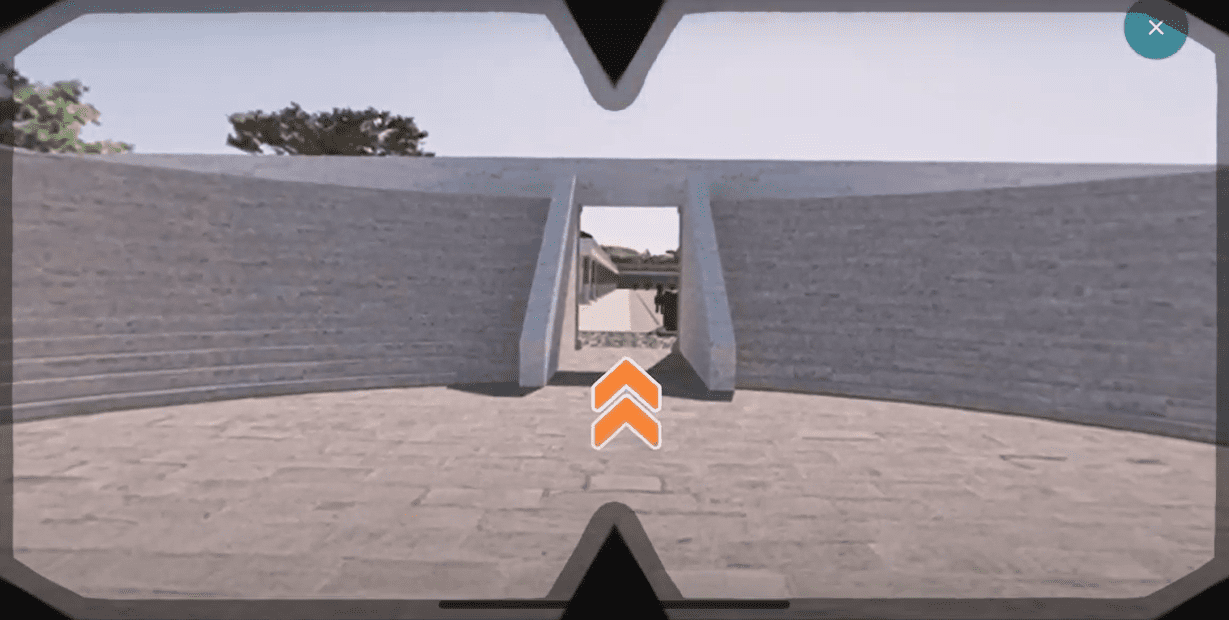
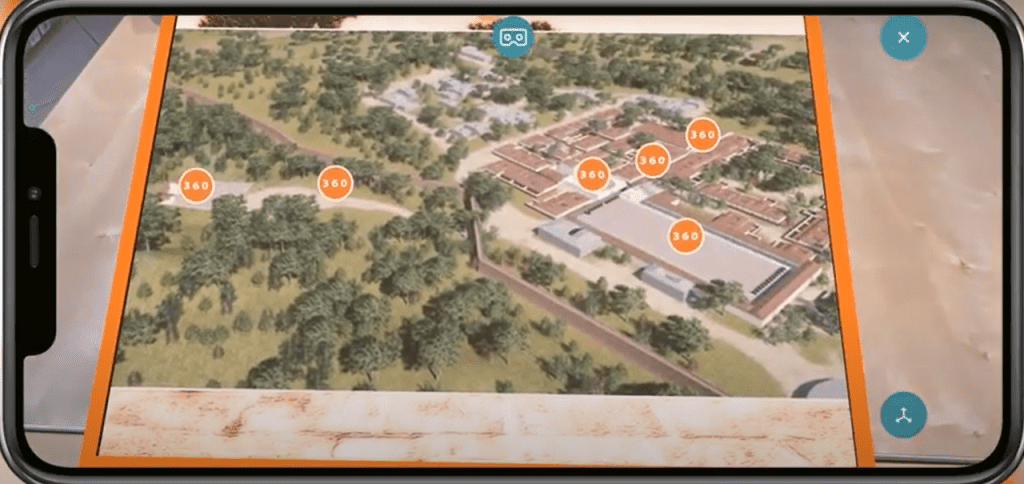
    Starting from a spatial visualization of the map, users can select the points of interest and enable an immersive visualization of 3D reconstructions based on the use of device sensors (gyroscope and accelerometer).

    How to experience Roman colony with augmented reality thanks to the AR-media Player app

    Created by AR-media “the Fregellae experience” is an immersive experience in the area of the archaeological excavations with the aim of innovating cultural heritage experiences through the power of emotions, opening the way to new audience segments with dynamism and interactivity to increase their involvement. Users see the life of the important Roman colony “Fregellae” flowing before their eyes through a more complete and varied view of history. They travel new roads, immerse themselves in the city’s lesser-known spaces and discover colonies, sanctuaries, underground passages and side streets.

    You can try this experience by downloading the free AR-media App for iOS or Android. Download the app and frame the QR Code using the button at the top right of the app. Click on the “save” button and then the “open” button, project the camera of your phone/tablet on the floor and begin to immerse yourself in this experience.  

    Thanks to reconstructions made with attention, even to the smallest details, you go back to the past and get in touch with the architecture as it was; through the application the user can move freely by touching on specific arrows and travel in this virtual 360° world.

    To make this experience more immersive and evocative, it is possible to go inside each construction, giving the illusion of being physically where you are not. By pointing the phone at a building and tapping on the “i” button, the user can listen to audio explanations, information and other useful data.

    In this way the ancient Roman colony “Fregellae” comes back to life, upgrading and showcasing its beauty. The visitor is invited to perform a series of actions that will further engage the perceptual channels for a memorable experience. 

    How to experience Roman colony with augmented reality thanks to the AR-media Player app

    Build AR and VR experiences for archaeological areas with AR-media

    The relationship between AR-media and the archaeological sector represents a long process of digital evolution that is taking place in different archaeological areas. The choice of AR-media is to be able to give users a journey that is not only informative but also emotional. The AR-media application transforms the visit into a multisensory experience, involving the visitor, transforming her into a participating and active actor and expanding the journey with interactive content. By connecting from a smartphone or tablet the user is immersed in a unique virtual context with a high emotional impact. 

    AR-media’s augmented reality helps to connect history with the new digital reality and is particularly suited for:

    • Virtual tours both indoors and outdoors
    • Augmentation of ruins, helping the visitor to visualize the ancient beauty of the sites
    • Sites with visitors from many countries, thanks to the support for multi language projects
    • Increasing the sites’ revenues by providing a premium immersive experience alongside the more traditional visit experience

    Augmented and Virtual Reality make the cultural experience immersive and engages users before, during and after the visit.

  • Circo Maximo Experience finalist at the prestiguous Gianluca Spina Prize 2021

    Circo Maximo Experience finalist at the prestiguous Gianluca Spina Prize 2021

    Founded in 2015, the Gianluca Spina association annually awards the homonymous prize for Digital Innovation in Cultural Heritage and Activities. A recognition to the cultural players who have been able to combine the artistic aspects with the technological ones, in the best possible way, in projects with a high innovative and economic impact.

    This year the Gianluca Spina Association and the Digital Innovation Observatory in Cultural Heritage and Activities of the Politecnico di Milano have evaluated several proposals among which they have selected the following 3 finalists:

    • Circo Maximo Experience (Circus Maximus Archeological area, Rome)
    • Brera Plus (Pinacoteca di Brera)
    • MArTA 3.0 (Museo Archeologico Nazionale di Taranto)

    Circo Maximo Experience among the best for the second year in a row

    The Circo Maximo Experience project reached the podium in the last edition, while it got a special mention last year.

    circo maximo experience - augmented reality
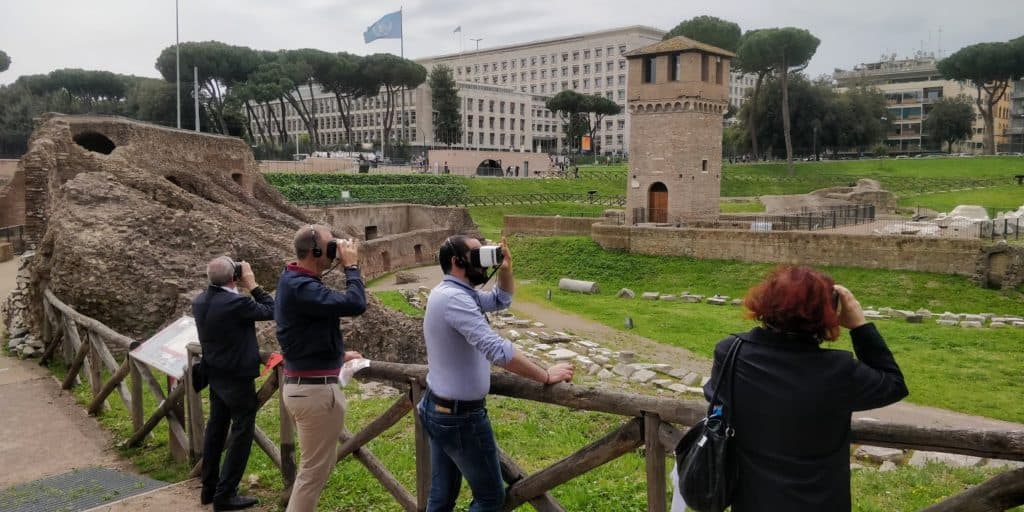
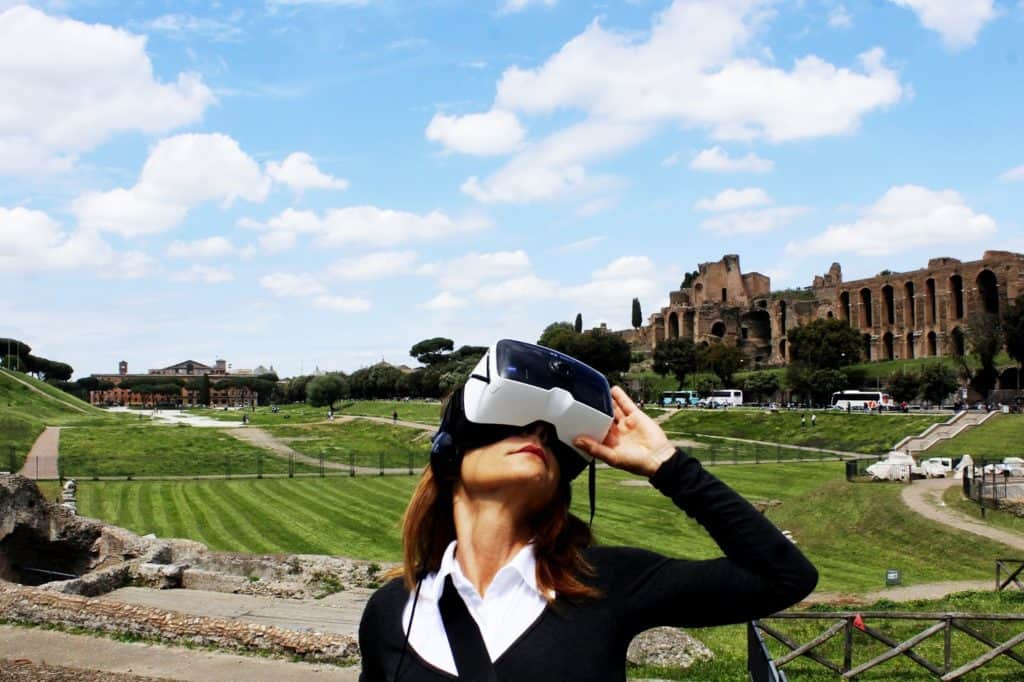
    Tourists enjoiying the Circo Maximo Experience

    The archaeological area of the Circus Maximus was reopened in 2016 after several years of work and the Capitoline Superintendence decided to enhance the site using Augmented and Virtual Reality techniques.
    In terms of complexity and technologies used, the project is unique in its nature. In particular, it was the first time that such an advanced approach was used on an outdoor site of this size.
    If you want to know more about the project, refer to this article.

    Even though the pandemic outbreak forced the Archaeological Area of Circus Maximus to restrict or suspend completely the immersive tour, there is still a great interest around the solution and how it allowed tourists to experience it in a completely new way.

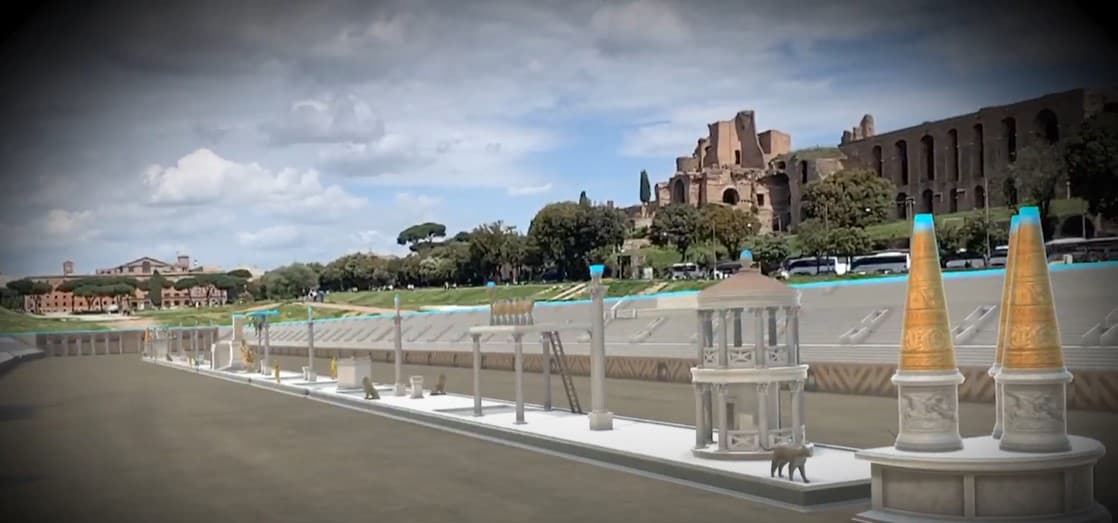
    Circus Maximus in Rome 3D AR VR

    The good news is that the Circus Maximus site is now open and restrictions are being progressively lifted, allowing visitors from Italy and abroad to get the tickets for one of the most innovative archeological experiences available right now globally.

    The jury of Premio Gianluca Spina awarded the first prize to the MArTA 3.0 project of the National Archaeological Museum of Taranto, responsible, among other activities, for the digitization of 40,000 artwork and the creation of a large open source and open data database with Creative Commons licenses.

  • Releasing the AR-media Immersive Mode

    Releasing the AR-media Immersive Mode

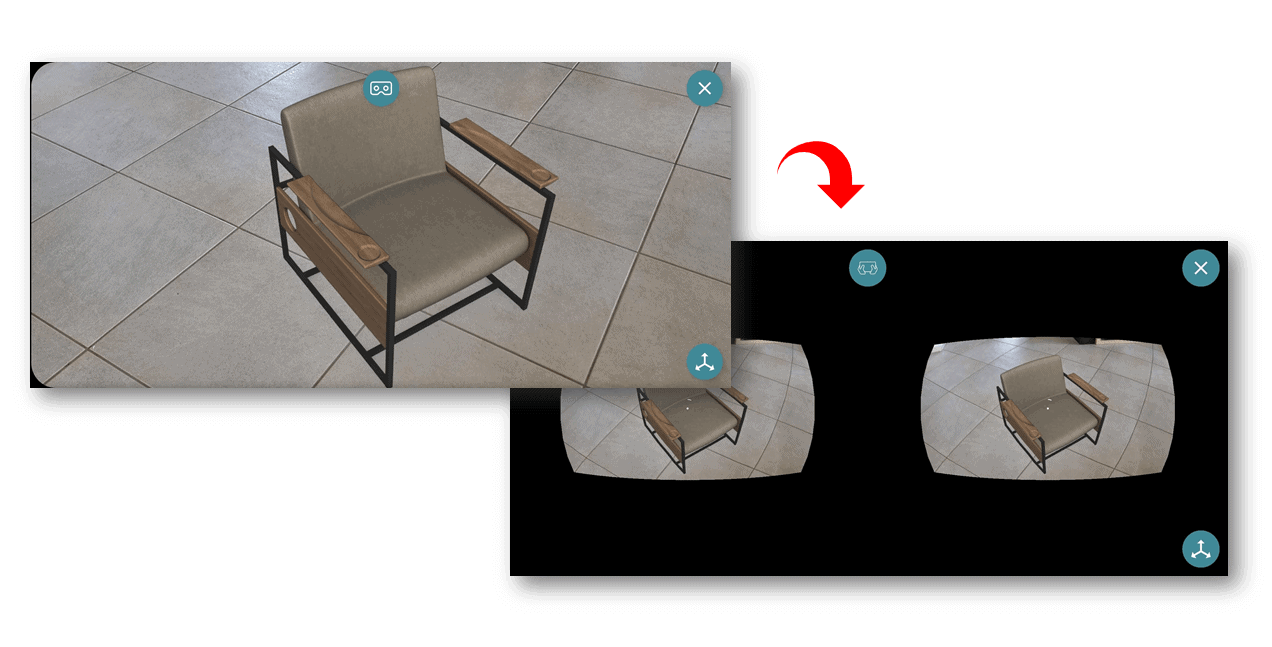
    As we disclosed a few weeks ago, our development team has been working hard to implement a new visualization mode for every experience enjoyed using the AR-media Player, the Immersive Mode, an AR feature to be used in combination with your Mobile AR headset of preference, including Google Cardboard.

    Today we are glad to announce that the Immersive Mode is finally available to all AR-media users, including the ones with a Free plan.

    Using the Immersive Mode is easy! You will find a new button available when you play any experience, just tap on it and your display will switch into a split mode. Then simply use your smartphone in combination with your Mobile AR headset and you’ll be ready to enjoy a truly immersive Augmented Reality experience.

    What kind of hardware do you need for Mobile AR?

    In order for you to enjoy the immersive mode, you need some kind of device that allows you to exploit the split screen functionality, typical of stereoscopic visualization.

    There are loads of products on the market, from entry level to semi-professional.

    You can start to get a Mobile AR accessory from as low as 14.99$, like in the case of the Homido product line, to higher price tags like in the case of the Merge Headset.

    A very popular Mobile AR option is the Google Cardboard, available for a few dollars from several eCommerce stores and distributors, including customizable units.

    What use cases the AR-media Immersive Mode enables?

    There are several scenarios where the AR-media Immersive Mode can prove to be useful. By their nature, certain kinds of experiences are best enjoyed with a Mobile AR headset, just think of 3D models in 1:1 scale that allow the viewer to walk inside out the object for proper exploration, or think about entertaining 360 experiences.

    In general the Immersive Mode provides a cost effective way to provide truly immersive experiences for areas such as Cultural Heritage, Architecture Engineering & Construction (AEC), Design and Prototyping and even Education.

  • Circo Maximo Experience wins the Global Remarkable Award as the Best Innovative Venue 2020

    Circo Maximo Experience wins the Global Remarkable Award as the Best Innovative Venue 2020

    2020 will certainly be remembered for a long time as the “annus horribilis” for Culture and Tourism worldwide. The ongoing pandemic has profoundly impacted on this sector due to the limitations on travel, lockdowns and social distancing measures. Almost all the location-based VR/AR experiences have been shut down because of Covid-19 and Cultural Heritage institutions, including Museums and Archaeological sites, have shifted to new ways of presenting their pieces of art. Notwithstanding these well known difficulties, our disruptive project, Circo Maximo Experience, has been recognized as the “Best Innovative Venue” in 2020 in the context of the “Remarkable Venue Awards”.

    The 2020 Remarkable Venue Awards Global Winners

    Established in 2017, the Remarkable Venue Awards is an initiative created by the leading online ticketing platform “Tiqets” to celebrate the best museums and attractions around the world. 

    Since the first Remarkable Venue Awards, awards ceremonies have taken place annually in Amsterdam, Barcelona, London, New York, Paris, and Rome. The 2020 Remarkable Venue Awards was a global, online event which celebrated seven categories of awards in six countries: UK & Ireland, France, Italy, the Netherlands, Spain and the United States. The selection of the winning venues is based on the customer reviews of venues on Tiqets.com. For the first time, the Remarkable Venue Award winners of each country went head-to-head to compete for a global title. 6,000+ customers voted for their favorite museums & attractions of 2020 to crown the Best of the Best. 

    Circo Maximo Experience is the Best Innovative Venue in 2020

    Circo Maximo Experience is the first outdoor permanent Mixed Reality experience that engages visitors in an exciting journey through the history of Circus Maximus in Rome, the largest and most iconic entertainment venue of the ancient times. By wearing Mixed Reality headsets, visitors are able to admire the monument across all the transformations it went through during the different ages. Circo Maximo Experience is a particularly complex engineering challenge that has been designed with the user’s safety in mind. Our “safety-by-design” approach allowed the venue to keep working also during the pandemic, thus making it the only publicly accessible Immersive Mixed Reality experience during these hard times. Additional measures were adopted in order to make the experience safer. The unique harmonization of safety, content, site and technology made it possible for the project to be crowned with this award.

    Circo Maximo Experience wins the Global Remarkable Award as the Best Innovative Venue 2020

    A more sustainable and technologically advanced future for Cultural Heritage

    The Covid-19 crisis has brought to light the need for a profound transformation of the way museums and cultural heritage sites are accessed. There is little doubt, today, that we need a more sustainable and technologically advanced approach to Cultural Heritage valorisation. Thanks to its market validation, Circo Maximo Experience is set to become a model that will inspire other Cultural institutions to embark in similar digital transformation projects in the future.

  • The Contribution of Mixed Reality to Cultural Heritage during the pandemic

    The Contribution of Mixed Reality to Cultural Heritage during the pandemic

    The global health emergency caused by the Covid-19 virus, in addition to having generated a profound impact on the industrial sector of our country and in the rest of the world, has profoundly affected a sector that in Italy is worth 13% of GDP, it is tourism.

    The estimated crisis and post-crisis losses are in billions of euros and are mainly caused by limitations on travel, especially international ones, and by the rules of social distancing which will constitute a brake on prosperity of the tourism and cultural heritage sector which employs 15% of the overall Italian workers.

    The Italian cultural sector will have to deal with a 2020 that will see a drop in the number of visitors from abroad throughout the year, which in our country represent 50.3% of the total.
    So at least initially we will focus on domestic tourism, since even the Italians who would have traveled abroad will likely look with greater interest to the domestic offer.

    In addition to dealing with the obvious losses in turnover that will affect the tourism sector, both in Italy and in the rest of the world, operators and managers of cultural heritage, are beginning to realize that the main road to overcome the crisis is that of “digital transformation”. Thanks to these solutions, it will be possible to make cultural heritage available to everyone, including tourists who cannot travel. The digital solutions will, in fact, lead institutions towards a phase of renewal in which the transformation of flows and the availability of more tools will allow to create more sustainable and higher quality models.

    In some use cases the immersive technologies, Virtual Reality and Augmented Reality, have shown not only to be able to overcome the problem of remote use, but also to have the ability to enrich the visiting experience with content and information normally not available.

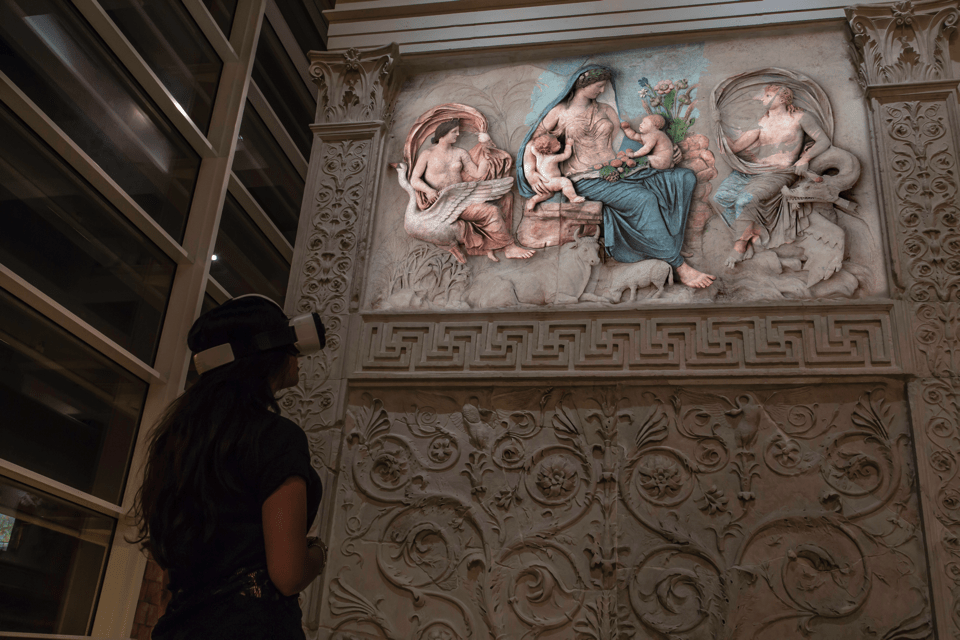
    tourist using mixed reality headsets at Ara Pacis in Rome

    Here are some possibilities for operators of museum structures and sites of interest in general:

    • Digitization of the exhibition spaces
      It is a photogrammetric or laser scanner reconstruction of the real spaces of places such as museums. This activity allows you to create a digital version of the museum, on which various types of experiences can be grafted, from browsing the environments, in Google Streetview style, to enabling multimedia points of interest with voice, video or simply narrations associated. This type of use case can be made usable by both web browsers and mobile applications.
    • Virtual Reality Routes
      This use case involves the artificial reconstruction of spaces, in their current state or in a state that corresponds to a different historical period. It is mainly used when you want to show content and routes related to sites that have been lost in whole or in part. This category includes some of the stages of the Circo Maximo Experience project, through which you can relive the chariot races in ancient Rome.
    • Mixed Reality Routes
      To make the most of digital content and apply it not only to the virtual context, but also to the physical assets available within a site of interest, Mixed Reality techniques are used, they exploit the coexistence of VR and AR, allowing visitors to immerse themselves in reconstructions anchored to real objects (e.g. ruins), and to view completely artificial contents. The result can be obtained both by using Mixed Reality headsets and mobile devices, even the latter, in fact, with dedicated technologies, are able to perform very well object recognition and tracking.
    • Simple Digital Routes
      One possibility that does not contemplate the use of immersive technologies, but which still allows a light digitization of the visit experience, is the creation of applications that provide digital access to content, presenting it in traditional ways, such as image galleries, video and audio narrations.

    In conclusion, the digitization process of entities operating in the cultural heritage sector can only be accelerated due to the Coronavirus emergency, but the road has already been traced by a series of successful experiences, both in Italy and abroad.

    The advantage for operators in the sector is therefore to facilitate access to the sites of interest at a time when these will be subject to rules that will provide for the quota of entrances, social distancing and the use of personal protection devices. The digital experience can to some extent make up for the drop in turnover that operators will most likely face this season and we do not rule out even in the years to come.

  • Inglobe Technologies to participate in LuBeC 2019

    Inglobe Technologies to participate in LuBeC 2019

    On 3 and 4 October 2019 Inglobe Technologies will take part in the XV edition of LuBeC (Lucca Cultural Heritage), the exhibition dedicated to Cultural Heritage and which will focus on innovation in the sector with respect to sustainable management of culture between public and private.
    During the two days dedicated to the event, debates, exhibitions and training sessions will take place in 6 areas:

    • management models for cultural heritage
    • digitization, archives and open data
    • cultural heritage and sustainability
    • culture and wellness
    • museums and innovation
    • cultural heritage and Made in Italy

    Inglobe Technologies will be involved in the InterAction cultural experience debate.
    It is a focus on products and tools to use, enhance and narrate the territories by creating interactive and emotional experiences, which lead the visitor through paths and discover new places, through digital storytelling.
    The debate will be coordinated by Marta Piacente, Head of the Promotion and Development Service for Companies of the Chamber of Commerce of Lucca and will include the following speakers:

    • Luna Meli, for Hi.Stories
    • Marina Samarotto for Xenia
    • Massimo Spaggiari for GSnet Italia
    • Graziano Terenzi for Inglobe Technologies
    • Andrea Tagliasacchi for Unione Comuni Garfagnana

    Graziano Terenzi of Inglobe Technologies, who will intervene during Lubec 2019 in collaboration with Massimo Spaggiari of GSNet Italia, anticipates some topics of the speech entitled “Enhancing outdoor cultural sites with Mixed Reality: the case of Circo Maximo Experience“.

    “Designing and implementing immersive experiences for outdoor cultural sites is a complex task that requires to handle various technical problems and to simultaneously harmonize different constraints.
    The purpose of the speech is to discuss the problems that the use of immersive technologies requires to address as well as the technological options that best lend themselves to their solution, with reference to the remarkable example of the “Circo Maximo Experience“.

    Circus Maximus augmented reality and virtual reality tour in Rome

    “Circo Maximo Experience” is a project of the Capitolina Superintendency for Cultural Heritage, curated by Zetema and developed by GSnet and Inglobe Technologies, which allows visitors to the Circus Maximus in Rome to immerse themselves in the history of the largest entertainment building of all time through Augmented and Virtual Reality, directly within the site.
    The discussion will show how it is possible to enhance outdoor cultural sites through new technologies and immersive storytelling, which, unlike indoor sites, present difficult and multiple challenges, which in addition to balancing scientific accuracy, narrative structure and of the entertainment of the visitors, they also include the management of the complex interaction between the technological solution and the physical and environmental context of reference. ”

    For more information: https://www.lubec.it/eventi/interaction-cultural-experience

  • Circo Maximo Experience, a project to enhance cultural heritage with Mixed Reality

    Circo Maximo Experience, a project to enhance cultural heritage with Mixed Reality

    Thanks to an innovative cultural heritage valorisation project that relies on Augmented and Virtual Reality technologies, it’s now possible to experience the Circus Maximus – one of the most significant places in the Roman history – in its original splendour.

    By means of an immersive tour and by wearing Mixed Reality headsets, visitors will be able to admire the monument across all the transformations that it went through during the different ages. Starting from the first wooden structures, to the glory of the imperial age, from the Middle Ages to the first decades of the ‘900, visitors will be engaged in an exciting journey through history.

    Circo Maximo Experience is a particularly complex engineering challenge that required the collaboration of an interdisciplinary team called to harmonize the historical, archaeological, architectural and cultural dimensions of the project with the constraints of the site and the power of the technology.

    tourist in rome with an augmented reality headset
    Circus Maximus in Rome AR VR Headset

    The project, promoted by Roma Capitale – Department of Cultural Growth, Capitolina Superintendency for Cultural Heritage – and organized by Zètema Progetto Cultura, has been developed by Inglobe Technologies in collaboration with GS NET Italia. The scientific direction is by the Capitolina Superintendency to Cultural Heritage. The solution is based on the coupling of Zeiss VR One Plus headsets with iPhone 6S Plus smartphones and headphones to engage visitors in a unique visit experience of an archaeological site.

    A challenging cultural heritage project

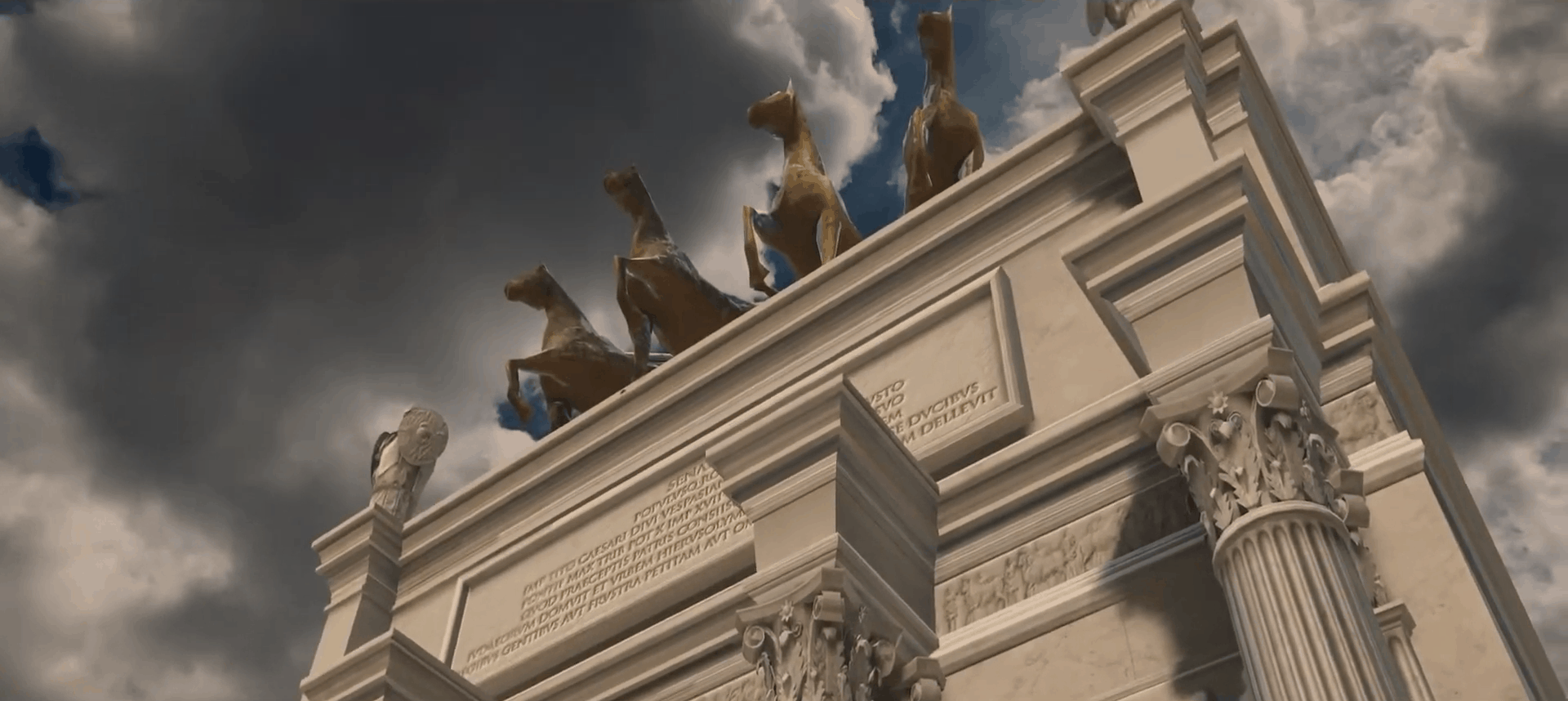
    The available headsets create a virtual rendering of the Circus Maximus by overlapping 3D reconstructions of the past to the present-day reality to highlight its original magnificence: in particular, the Arch of Titus will appear in its original majestic height. Circo Maximo Experience, through continuous flashbacks to the past thanks to reconstructions in augmented and virtual reality, will enable visitors to see the life of the age-old valley unfold before their eyes, stroll through the Roman shops and watch a chariot race among shouts of encouragement and overturned chariots.

    This is a cutting-edge project that implements interactive technologies never before employed in an outdoor area of ​​such a significant size. The reconstruction in augmented and virtual reality is also exceptionally usable regardless of the daily lighting variations and seasonal climatic changes. The 3D contents and the experiences – under the Artistic Direction/Supervision of Tiziana Primavera and under the scientific direction of the Capitolina Superintendency for Cultural Heritage – have been appropriately calibrated to be able to work in real time on a mobile device with limited computing capabilities.

    On the software side, we implemented an engine based on Inglobe’s ARmedia SDK with a wrapper to Apple’s ARkit. We have implemented stereoscopic rendering both in VR and AR. We have relied on a specific and extremely accurate 3D mapping method to create maps of the area. We have supported rendering for complex 3D scenes in real-time.

    Circo Maximo Experience Temple Virtual Reality Rome

    The highlights of the cultural heritage project

    Here go just a few figures of the project:

    • 7 historical phases: the study and reconstructions have been extended to the various historical phases of the Circus, requiring the modeling of elements and configurations that span over 2000 years of history
    • +250,000 Lines of Code: more than 250,000 lines of code have been written for the implementation of the project; they manage the different aspects of the application, from localization and tracking to content visualization, all aimed at making the experiences work robustly in time real in an outdoor site
    • 3 Modelled versions of the Circus: the Circus has been reconstructed through the three main historical phases – the Archaic Age, the Circus from the 1st century BC the first century AD, the Circus of the Imperial Age – to continue with the Middle Ages, the industrial age and the end of the Second World War
    • +40 minutes is the total duration of the experience: the visit route that can be enjoyed over a period of time ranging from 45 to 80 minutes
    • +1800 3D models created: the project is strongly characterized by the use of 3D technologies and to support the narration, numerous elements and details have been modeled
    • 8 original songs created by the italian Composer Vito Terribile act as a soundtrack during the emotional journey of the visitors giving an extraordinary emphasis to each stage of the visual tour, enriching it with great suggestion through the different historical periods, with the aim of making the experience even more unique and compelling.
    circo maximo experience - augmented reality tourists with VR headset

    The tour is available in six languages ​​(Italian, English, French, German, Spanish and Russian). The 8 Points of Interest in which the tour is organized include: the Valley and the origins of the Circus, the Circus from Julius Caesar to Trajan, the Circus in the imperial age, the Cavea, the Arch of Titus, the Shops (tabernae), the Circus in the Middle and Modern Ages and finally “A day at the Circus”.

    For more information
    www.circomaximoexperience.it/en

  • “ARA as it was”, a first of a kind Immersive Augmented Reality experience for Cultural Heritage

    “ARA as it was”, a first of a kind Immersive Augmented Reality experience for Cultural Heritage

    Immersivity is referred today as one of the most important attributes of high quality Virtual Reality experiences. Indeed, much attention has been recently devoted to technologies that enable immersivity mainly as a consequence of the widespread adoption of Virtual Reality headsets, such as Google Cardboard, Oculus Rift, HTC Vive and Samsung Gear. Seldomly the term ?immersive? is used today to make reference to Augmented Reality experiences, as, notwithstanding the promises, they mainly run on smartphones or not yet fully developed Smartglasses. This happens mainly because of the limitation of current AR displays.

    On Monday 10th October 2016, the city of Rome together with Zetema, one of the most important Italian cultural heritage management organizations, launched and opened to the public the “ARA as it was“, namely the first large scale augmented reality valorization project for the roman cultural heritage. Hosted in a beautiful building designed by the famous American architect Richard Meyer, Ara Pacis is the symbol of the power exerted by the Augustan lineage across the Roman Empire.

    The Project

    The project has been developed by ETT Solutions in collaboration with the Augmented Reality vendor, Inglobe Technologies, that provided the AR technology that made it possible. Basically, the Ara Pacis Augmented Reality system is based on immersive AR headsets that work in association with an Application that assists visitors through the discovery of the monument and its history.

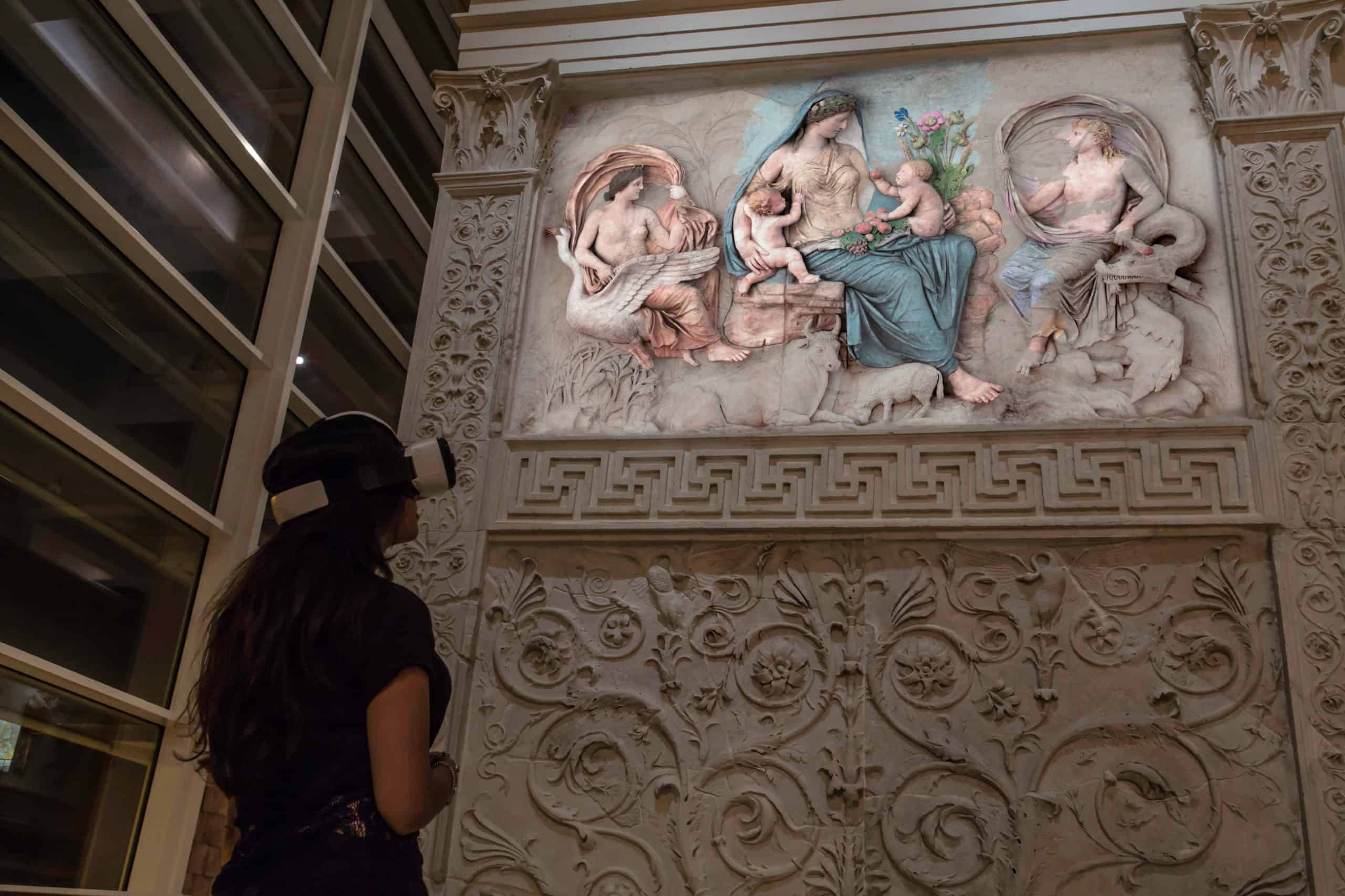
    We expect that this is going to be one of the most important benchmarks for Augmented Reality projects for Cultural Heritage as Zetema has already a business model around this project. Paying visitors are provided with Immersive Smartglasses, namely Samsung GearVR, powered by a Samsung S7 smartphone that runs the “Ara as it was” application.

    The application is based on a unique feature of Inglobe’s AR technology that provides high performance 3D Tracking on a variety of devices, including Samsung Gear VR. This feature, together with the other features of the technology by Inglobe has made it possible to develop such an incredible and unique experience.

    The Experience of an immersive Cultural Heritage site

    Thanks to this approach, visitors can immerse themselves in the narrative path of the museum in first person. They can see the bas-reliefs and elements of the monument come to life in AR by providing the original shapes and colors together with information related to their history.

    The experience is personalized and is based on a hybrid and multi-sensorial approach as it relies on sensorimotor, visual and auditory interaction, right there in the real world.

    Ara Pacis Virtual Reality & Augmented Reality headset
    Tourist with VR AR headset visiting Ara Pacis in Rome

    Talking about the solution, it allows to navigate through the different POIs of the monument. Each POI is a gateway to an immersive AR experience that leverages 3D object recognition and tracking (unique features of Inglobe’s AR technology) to provide visitors with information related to digital reconstructions both in terms of architecture and socio-historical meaning of the monument. Large FOV, precision of 3D Tracking, accuracy of Computer Graphics overlays and personalization of experience are just some of the takeaways of the solution.

  • INQUADRA: an Augmented Reality App for the National Gallery of Umbria

    INQUADRA: an Augmented Reality App for the National Gallery of Umbria

    On May 22 at the National Gallery of Umbria in Perugia, Italy, the INQUADRA project was presented to the public and to the press. INQUADRA is based on a new vision of how the unique pieces of art in the Museum can be experienced and communicated.

    The trigger of the project was a new iconographic interpretation of room 18 of the gallery, which for years -thanks to its sumptuous frescos-has been intended to tell the story of the Perugia leader par excellence “Braccio da Montone”. After a careful re-interpretation of the whole cycle, a new attribution of roles and meanings has been proposed by researchers, especially for what concerns the role of the “Farnese” family and leaders. This new interpretation has inspired the creation of an innovative approach -based on a great practical use of Augmented Reality technology- that could better communicate the findings to the visitors. The INQUADRA project got born this way, thus allowing to apply AR to one of the jewels of the National Gallery of Umbria.

    National Gallery of Umbria

    The project has disclosed a new horizon for the most important Museum in the region. INQUADRA allows the immediate interaction between the piece of art and the public: without human intermediaries or experts visitors can get an in-depth understanding of the meaning of the frescoes. The project also provides a unique tool in the national museum landscape by allowing, through the associated APP, to deepen the various scientific aspects of the room and by enabling a unique learning experience, which is thrilling and exciting at the same time.

    With this operation, the Gallery plays one more card: by anticipating the use of Augmented Reality for the valorization of cultural heritage, the Gallery gets on top of what will be the future “Polo Museale Umbro” in which these innovations will be considered the milestones that make a place of culture and history a strategic point of contact between the past and the future. In this way, visitors will live exciting experiences while the desire for a deeper knowledge of history is stimulated.

    The App “INQUADRA”, carried out as a collaboration between Promovideo and Inglobe Technologies for the National Gallery of Umbria, is now available as a free download for smartphones and tablets. This APP makes it possible to literally “enter” the frescoes in the Farnese Room and discover the history of the people represented in the works, as well as anecdotes and interesting information about the scenic and decorative elements. Even if some contents are accessible remotely, users are granted access to all the information in the App just inside the museum. One more reason to book a visit to this fantastic Museum.