Author: Mirko Ferrari

  • The Contribution of Mixed Reality to Cultural Heritage during the pandemic

    The Contribution of Mixed Reality to Cultural Heritage during the pandemic

    The global health emergency caused by the Covid-19 virus, in addition to having generated a profound impact on the industrial sector of our country and in the rest of the world, has profoundly affected a sector that in Italy is worth 13% of GDP, it is tourism.

    The estimated crisis and post-crisis losses are in billions of euros and are mainly caused by limitations on travel, especially international ones, and by the rules of social distancing which will constitute a brake on prosperity of the tourism and cultural heritage sector which employs 15% of the overall Italian workers.

    The Italian cultural sector will have to deal with a 2020 that will see a drop in the number of visitors from abroad throughout the year, which in our country represent 50.3% of the total.
    So at least initially we will focus on domestic tourism, since even the Italians who would have traveled abroad will likely look with greater interest to the domestic offer.

    In addition to dealing with the obvious losses in turnover that will affect the tourism sector, both in Italy and in the rest of the world, operators and managers of cultural heritage, are beginning to realize that the main road to overcome the crisis is that of “digital transformation”. Thanks to these solutions, it will be possible to make cultural heritage available to everyone, including tourists who cannot travel. The digital solutions will, in fact, lead institutions towards a phase of renewal in which the transformation of flows and the availability of more tools will allow to create more sustainable and higher quality models.

    In some use cases the immersive technologies, Virtual Reality and Augmented Reality, have shown not only to be able to overcome the problem of remote use, but also to have the ability to enrich the visiting experience with content and information normally not available.

    tourist using mixed reality headsets at Ara Pacis in Rome

    Here are some possibilities for operators of museum structures and sites of interest in general:

    • Digitization of the exhibition spaces
      It is a photogrammetric or laser scanner reconstruction of the real spaces of places such as museums. This activity allows you to create a digital version of the museum, on which various types of experiences can be grafted, from browsing the environments, in Google Streetview style, to enabling multimedia points of interest with voice, video or simply narrations associated. This type of use case can be made usable by both web browsers and mobile applications.
    • Virtual Reality Routes
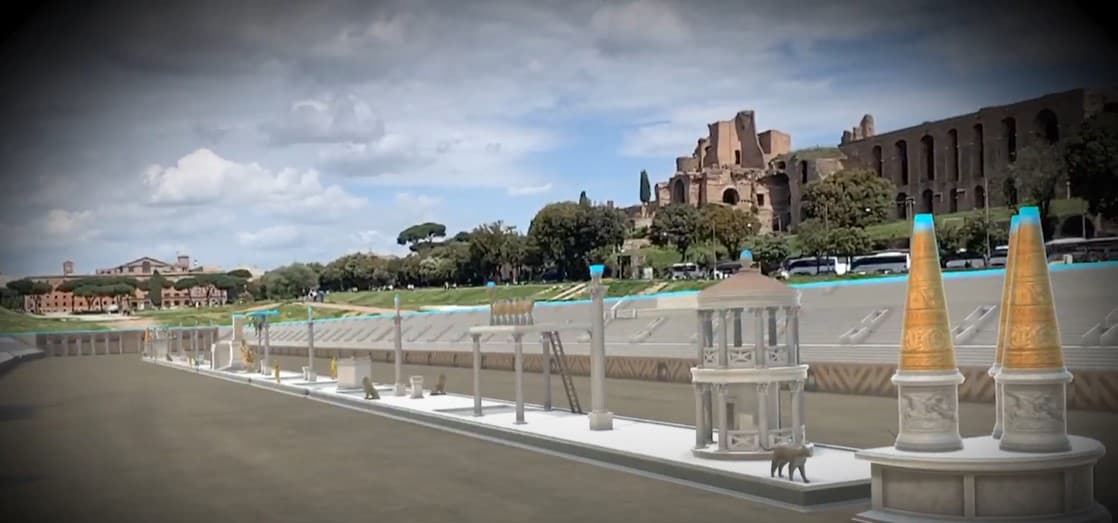
      This use case involves the artificial reconstruction of spaces, in their current state or in a state that corresponds to a different historical period. It is mainly used when you want to show content and routes related to sites that have been lost in whole or in part. This category includes some of the stages of the Circo Maximo Experience project, through which you can relive the chariot races in ancient Rome.
    • Mixed Reality Routes
      To make the most of digital content and apply it not only to the virtual context, but also to the physical assets available within a site of interest, Mixed Reality techniques are used, they exploit the coexistence of VR and AR, allowing visitors to immerse themselves in reconstructions anchored to real objects (e.g. ruins), and to view completely artificial contents. The result can be obtained both by using Mixed Reality headsets and mobile devices, even the latter, in fact, with dedicated technologies, are able to perform very well object recognition and tracking.
    • Simple Digital Routes
      One possibility that does not contemplate the use of immersive technologies, but which still allows a light digitization of the visit experience, is the creation of applications that provide digital access to content, presenting it in traditional ways, such as image galleries, video and audio narrations.

    In conclusion, the digitization process of entities operating in the cultural heritage sector can only be accelerated due to the Coronavirus emergency, but the road has already been traced by a series of successful experiences, both in Italy and abroad.

    The advantage for operators in the sector is therefore to facilitate access to the sites of interest at a time when these will be subject to rules that will provide for the quota of entrances, social distancing and the use of personal protection devices. The digital experience can to some extent make up for the drop in turnover that operators will most likely face this season and we do not rule out even in the years to come.
  • How Mixed Reality can support Industry during the Covid-19 outbreak

    How Mixed Reality can support Industry during the Covid-19 outbreak

    The current Covid-19 pandemic situation has forced the subjects of the entire economic system to rethink work in many new ways and in no time. Even if the companies all reacted rather quickly to the changes imposed by the workers’ health protection measures, this does not mean that they managed to do it in the best way.

    In almost all cases of readjustment of working conditions, the digitization of processes is involved at different depth levels.

    Depending on the nature of the activity carried out, some companies had only to have their employees work from home, while for others, especially those of the industry, more structured changes were needed.

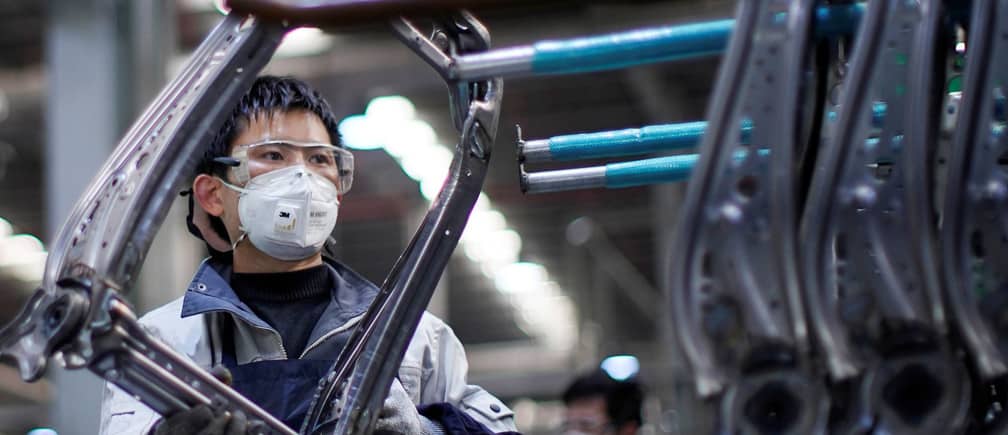
    Industrial companies base their activity on the production of goods, therefore the factory is the beating heart of their processes. To guarantee production continuity to the factories, it was necessary to introduce very strict rules in protection of the health of workers, providing them with personal protective equipment, reviewing the mode and duration of shifts, sanitizing the work areas with a certain frequency and monitoring the temperature of the workers at the entrance.

    worker with thermal camera measuring temperature to detect covid-19 sympthoms

    Factories, by their nature, being places with a high social interaction, are very exposed to contagion and therefore must manage a series of risks that concern not only production, but also other processes including logistics, administration and in general staff. The contingencies due to the measures required to deal with Covid-19 have imposed a limitation of business travel, forcing companies to search for alternative ways of managing operations.

    Below is a list of some of the industrial processes impacted by the health emergency, with an indication of how Augmented Reality can support certain activities, and some considerations on what will await us once the emergency ends.
    Personnel Management

    It has now become a practice, not only in companies, but also in some public bodies and commercial activities, to measure the temperature at the entrance. High temperature is one of the possible symptoms of Covid-19 positive and verifying that it does not exceed a certain threshold is fundamental in environments with many people. In this case, using computer vision solutions that leverage cameras or Smartglasses equipped with thermal imaging cameras, could speed up operations and streamline the queues at the entrance, without the need to point a laser at people.

    Maintenance Management

    One of the reasons that determine the greatest movement of personnel in the field concerns the management of maintenance. Even during the health emergency, it is essential for companies in certain sectors to ensure continuity and therefore they cannot afford to keep production or parts of it steady. In order to limit the movements of specialized maintenance personnel, it is possible to provide workers with practical tools that through the use of Augmented Reality help them to identify and solve problems, at least for those of small and medium size.

    Inspection

    Some industrial activities resort, in certain cases by law, to inspections of work areas or equipment, in order to carry out checks, measurements and other controls. During the pandemic, it was particularly critical in certain sectors to ensure inspection activities, in order not to endanger the health of inspectors. To this end, advanced computer vision systems, equipped on board of drones or other equipment, could guarantee the correct conduct of inspections without compromising human health.

    Training

    Since classroom training activities are discouraged, and considering the difficulty of training staff by making them work side by side with expert workers, Virtual Reality and Augmented Reality technologies offer excellent training aid to people, protecting them from prolonged contact with other individuals .

    Risk Management

    Both during the Phase 1 and Phase 2 of the Covid-19 emergency, the factories have reviewed the relationship between people and the work environment in a very profound way, making a number of choices aimed at limiting the density of people in the space, aimed at providing protection tools and aimed at informing workers about risks. Augmented Reality has already proven to be a very effective tool in the field of risk management in the workplace, thanks to its ability to allow an “augmented” visualization of the surrounding space, associated with rules and actions to be carried out to manage risks .

    Except for the temperature control at the factory entrance, it can be said that all the other use cases in which Augmented Reality can support workers to contain risks by helping them to reduce travel and contacts with colleagues, are intended to prove useful even in a post-pandemic phase. Several of these scenarios are already reality in many industrial contexts, although often only for experimental purposes.

    The emergency we are experiencing has only increased the awareness that digitization in industry is no longer just an option, but has in fact become the main road to rethinking processes.

  • Inglobe Technologies to participate in LuBeC 2019

    Inglobe Technologies to participate in LuBeC 2019

    On 3 and 4 October 2019 Inglobe Technologies will take part in the XV edition of LuBeC (Lucca Cultural Heritage), the exhibition dedicated to Cultural Heritage and which will focus on innovation in the sector with respect to sustainable management of culture between public and private.
    During the two days dedicated to the event, debates, exhibitions and training sessions will take place in 6 areas:

    • management models for cultural heritage
    • digitization, archives and open data
    • cultural heritage and sustainability
    • culture and wellness
    • museums and innovation
    • cultural heritage and Made in Italy

    Inglobe Technologies will be involved in the InterAction cultural experience debate.
    It is a focus on products and tools to use, enhance and narrate the territories by creating interactive and emotional experiences, which lead the visitor through paths and discover new places, through digital storytelling.
    The debate will be coordinated by Marta Piacente, Head of the Promotion and Development Service for Companies of the Chamber of Commerce of Lucca and will include the following speakers:

    • Luna Meli, for Hi.Stories
    • Marina Samarotto for Xenia
    • Massimo Spaggiari for GSnet Italia
    • Graziano Terenzi for Inglobe Technologies
    • Andrea Tagliasacchi for Unione Comuni Garfagnana

    Graziano Terenzi of Inglobe Technologies, who will intervene during Lubec 2019 in collaboration with Massimo Spaggiari of GSNet Italia, anticipates some topics of the speech entitled “Enhancing outdoor cultural sites with Mixed Reality: the case of Circo Maximo Experience“.

    “Designing and implementing immersive experiences for outdoor cultural sites is a complex task that requires to handle various technical problems and to simultaneously harmonize different constraints.
    The purpose of the speech is to discuss the problems that the use of immersive technologies requires to address as well as the technological options that best lend themselves to their solution, with reference to the remarkable example of the “Circo Maximo Experience“.

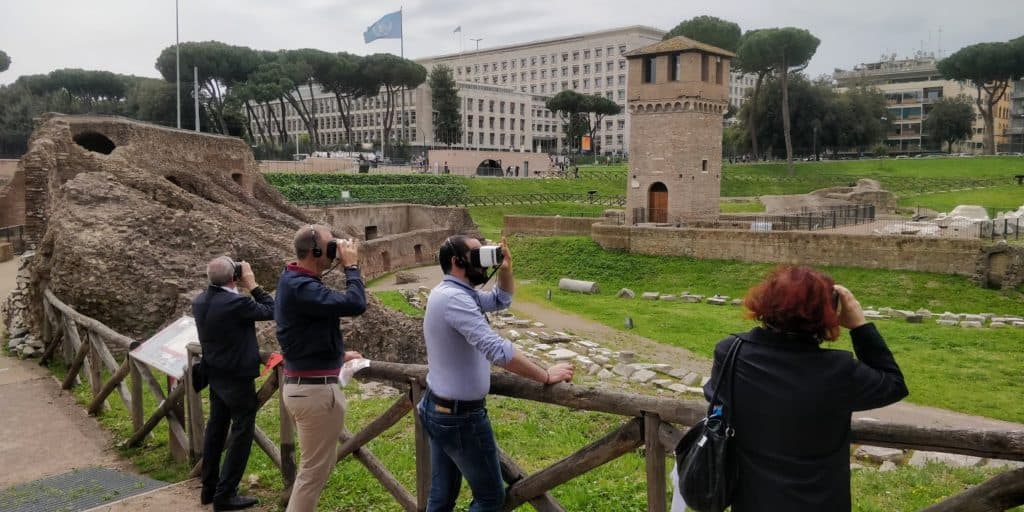
    Circus Maximus augmented reality and virtual reality tour in Rome

    “Circo Maximo Experience” is a project of the Capitolina Superintendency for Cultural Heritage, curated by Zetema and developed by GSnet and Inglobe Technologies, which allows visitors to the Circus Maximus in Rome to immerse themselves in the history of the largest entertainment building of all time through Augmented and Virtual Reality, directly within the site.
    The discussion will show how it is possible to enhance outdoor cultural sites through new technologies and immersive storytelling, which, unlike indoor sites, present difficult and multiple challenges, which in addition to balancing scientific accuracy, narrative structure and of the entertainment of the visitors, they also include the management of the complex interaction between the technological solution and the physical and environmental context of reference. ”

    For more information: https://www.lubec.it/eventi/interaction-cultural-experience

  • Inglobe supports Bambino Gesù Children’s Hospital training courses

    Inglobe supports Bambino Gesù Children’s Hospital training courses

    From the 12th to the 14th of December 2019, Bambino Gesù Children’s Hospital organizes in Rome a training course titled “Which technology for which rehabilitation” in collaboration with Pegaso Onlus, GIS Neuroscience, and under the patronage of AIFI, AITO, SIAMOC, SIMFER and SIRN.

    The course will be dedicated to identifying the most suitable technological solutions to support rehabilitation programs and there will be many specialized medical figures. Particular attention will be paid to the relationship between ethics and innovation.

    Among the topics addressed by the course there will be:

    • the development of the movement
    • motion control
    • motion learning
    • movement analysis
    • robotics
    • virtual reality
    • the formulation of descriptive and predictive models
    • the technology assessment process (HTA)

    Inglobe Technologies, already partner of the Bambino Ges? Children?s Hospital in a project to develop a robotic platform with Virtual Reality, is a sponsor of the event.

    For more information and reservations: http://formazione.ospedalebambinogesu.it/event/1782/showCard

  • Circo Maximo Experience, a project to enhance cultural heritage with Mixed Reality

    Circo Maximo Experience, a project to enhance cultural heritage with Mixed Reality

    Thanks to an innovative cultural heritage valorisation project that relies on Augmented and Virtual Reality technologies, it’s now possible to experience the Circus Maximus – one of the most significant places in the Roman history – in its original splendour.

    By means of an immersive tour and by wearing Mixed Reality headsets, visitors will be able to admire the monument across all the transformations that it went through during the different ages. Starting from the first wooden structures, to the glory of the imperial age, from the Middle Ages to the first decades of the ‘900, visitors will be engaged in an exciting journey through history.

    Circo Maximo Experience is a particularly complex engineering challenge that required the collaboration of an interdisciplinary team called to harmonize the historical, archaeological, architectural and cultural dimensions of the project with the constraints of the site and the power of the technology.

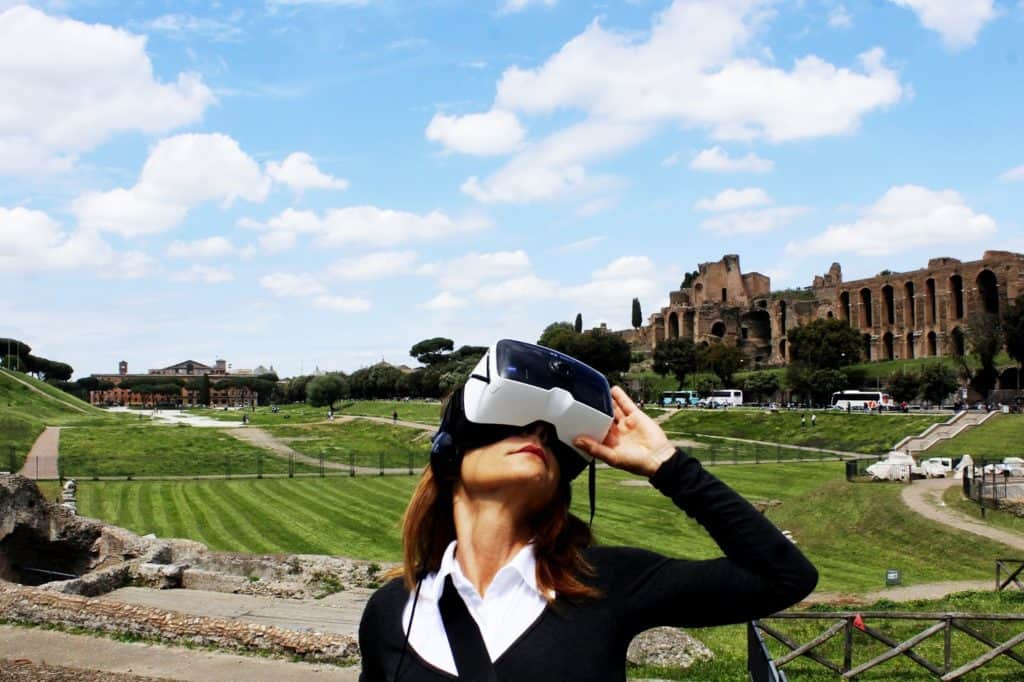
    tourist in rome with an augmented reality headset
    Circus Maximus in Rome AR VR Headset

    The project, promoted by Roma Capitale – Department of Cultural Growth, Capitolina Superintendency for Cultural Heritage – and organized by Zètema Progetto Cultura, has been developed by Inglobe Technologies in collaboration with GS NET Italia. The scientific direction is by the Capitolina Superintendency to Cultural Heritage. The solution is based on the coupling of Zeiss VR One Plus headsets with iPhone 6S Plus smartphones and headphones to engage visitors in a unique visit experience of an archaeological site.

    A challenging cultural heritage project

    The available headsets create a virtual rendering of the Circus Maximus by overlapping 3D reconstructions of the past to the present-day reality to highlight its original magnificence: in particular, the Arch of Titus will appear in its original majestic height. Circo Maximo Experience, through continuous flashbacks to the past thanks to reconstructions in augmented and virtual reality, will enable visitors to see the life of the age-old valley unfold before their eyes, stroll through the Roman shops and watch a chariot race among shouts of encouragement and overturned chariots.

    This is a cutting-edge project that implements interactive technologies never before employed in an outdoor area of ​​such a significant size. The reconstruction in augmented and virtual reality is also exceptionally usable regardless of the daily lighting variations and seasonal climatic changes. The 3D contents and the experiences – under the Artistic Direction/Supervision of Tiziana Primavera and under the scientific direction of the Capitolina Superintendency for Cultural Heritage – have been appropriately calibrated to be able to work in real time on a mobile device with limited computing capabilities.

    On the software side, we implemented an engine based on Inglobe’s ARmedia SDK with a wrapper to Apple’s ARkit. We have implemented stereoscopic rendering both in VR and AR. We have relied on a specific and extremely accurate 3D mapping method to create maps of the area. We have supported rendering for complex 3D scenes in real-time.

    Circo Maximo Experience Temple Virtual Reality Rome

    The highlights of the cultural heritage project

    Here go just a few figures of the project:

    • 7 historical phases: the study and reconstructions have been extended to the various historical phases of the Circus, requiring the modeling of elements and configurations that span over 2000 years of history
    • +250,000 Lines of Code: more than 250,000 lines of code have been written for the implementation of the project; they manage the different aspects of the application, from localization and tracking to content visualization, all aimed at making the experiences work robustly in time real in an outdoor site
    • 3 Modelled versions of the Circus: the Circus has been reconstructed through the three main historical phases – the Archaic Age, the Circus from the 1st century BC the first century AD, the Circus of the Imperial Age – to continue with the Middle Ages, the industrial age and the end of the Second World War
    • +40 minutes is the total duration of the experience: the visit route that can be enjoyed over a period of time ranging from 45 to 80 minutes
    • +1800 3D models created: the project is strongly characterized by the use of 3D technologies and to support the narration, numerous elements and details have been modeled
    • 8 original songs created by the italian Composer Vito Terribile act as a soundtrack during the emotional journey of the visitors giving an extraordinary emphasis to each stage of the visual tour, enriching it with great suggestion through the different historical periods, with the aim of making the experience even more unique and compelling.
    circo maximo experience - augmented reality tourists with VR headset

    The tour is available in six languages ​​(Italian, English, French, German, Spanish and Russian). The 8 Points of Interest in which the tour is organized include: the Valley and the origins of the Circus, the Circus from Julius Caesar to Trajan, the Circus in the imperial age, the Cavea, the Arch of Titus, the Shops (tabernae), the Circus in the Middle and Modern Ages and finally “A day at the Circus”.

    For more information
    www.circomaximoexperience.it/en

  • Inglobe joins ABB at MECSPE 2019 to showcase the Smart Factory

    Inglobe joins ABB at MECSPE 2019 to showcase the Smart Factory

    From 28 to 30 March 2019 Inglobe Technologies will take part in MECSPE, the reference fair for the manufacturing industry to be held in Parma. Together with ABB Inglobe will demonstrate its solutions in the Innovation Tunnel as part of the Lighthouse Plant project.

    This is an initiative that aims at showcasing the excellence of innovation in Industry 4.0 and that includes, in addition to ABB, Ansaldo Energia, Hitachi Rail and Tenova / Ori Martin. Each of these companies will exhibit the most recent innovations implemented in some of their plants in Italy, the so-called Lighthouse Plants.

    In this context, Inglobe will support ABB as a provider of one of the solutions adopted by the Swiss-Swedish multinational, in particular HyperIndustry, a web-based and mobile platform that allows to digitize technical equipment and to build in a simple and intuitive manner step-by-step technical instructions with the visual aid of Augmented Reality.

    people at mecspe exhibit industry 4.0

    MECSPE 2019 in Parma will therefore be an excellent opportunity to come and discover how immersive technologies, AR, VR and MR, can support companies in the digitalization of processes, providing added value that translates into greater efficiency and lower operational costs. Inglobe and ABB will allow visitors to have a hands-on experience and to participate in live Augmented Reality demonstrations using mobile and wearable devices.

  • Inglobe wins in the Digitalization area of the ENI Call for Growth

    Inglobe wins in the Digitalization area of the ENI Call for Growth

    Last week in Milan Inglobe has been selected as the best company in the “Digitalization” area of Eni’s CallForGrowth ‒ an initiative in partnership with growITup, the open innovation platform which supports major companies in forming new partnerships with start-ups and scale-ups.
    In the digitalization area ENI aims at making operating manuals completely digital, interactive and integrated with the digital twins.

    Inglobe pitched in front of about 30 ENI key managers, providing an overview of HyperIndustry, its Industry 4.0 platform with Augmented Reality features, and sharing ideas on how its adoption could benefit ENI in processes like smart operations, maintenance and training.

    inglobe eni callforgrowth startup competition milan

    Over the next three months ENI and Inglobe will work together to identify the most suitable use cases in order to test the technology in the field.

    The Call has involved 119 participants and just 11 of them were invited to pitch ENI in Milan at Cariplo Factory, the head office of the GrowItUp initiative.
    Other areas of the contest included solutions to improve health and safety of ENI’s workers and innovative retail ideas for ENI’s service stations.

  • Towards the Smart Warehouse: Logistics 4.0 with Augmented Reality

    Towards the Smart Warehouse: Logistics 4.0 with Augmented Reality

    Logistics is certainly one the most crucial processes for production and services companies. Even though it is still perceived as a traditional set of activities, Logistics is rapidly evolving and is set to be a key area for digital transformation and automation. For some of the players in this area, innovation in the logistics department has determined a transformation of the entire company, making this process the strength of their business.

    Examples abound, but probably one of the most well known is Amazon’s: indeed the tech giant has built an entirely new business model around sorting efficiency and speed of delivery, creating the “Amazon Prime” set of premium services, which currently have more than 100 million subscribers worldwide.

    The two most debated topics in the logistics industry today are automation and the role of man.
    McKinsey has predicted that around 57% of existing warehousing and logistics functions will be automated and handled by a variety of different robots and machines. Some trends already in place, including autonomous driving, advanced robotics and the advancements of AI, will dramatically change the logistics industry in the next 20 years.

    We are not yet to the point where complete automation of warehouses is easily doable and convenient. Automation has a high cost and we are likely going to see these drastic changes within a few years rather than all of a sudden, also considering that managing a fully automated warehouse requires new skills from warehouse managers and staff that take some time to be developed.

    Despite the fast evolution and automation of the logistics 4.0 supply chain, data tell us that the job market in this industry is exhibiting a growth in demand of workers and managers, so we don’t see a short term substitution effect of machines over humans, rather we see a collaboration between human and artificial intelligence.

    Towards the Smart Warehouse Logistics 4.0 with Augmented Reality

    What do we mean by Logistics 4.0?

    Just like Industry 4.0 is the evolution of how industrial facilities work, similarly Logistics 4.0 or Supply Chain Management 4.0, is the next step towards the smart warehouse and its connected processes. Logistics 4.0 will help warehouse managers make their facilities more efficient by reducing and anticipating possible mistakes, and by using the large amount of data at their advantage. The workers in turn will cooperate with machines being one of the many elements of the interconnected network.

    In terms of definition, Logistics 4.0 is the process of making the current logistics industry more technologically advanced by transforming and digitalizing parts of the process using an advanced network of data, efficient robots, AI algorithms and computer vision techniques like Augmented Reality.

    According to BIS Research, in 2017 the Enterprise Augmented Reality market was worth 3.5 billion dollars, while it will reach almost 200 billion dollars by 2025.
    The sales of smartglasses in 2017, according to ABI Research, reached the value 52.9 million dollars and about one out of four smartglasses was bought by the logistics industry.

    Towards the Smart Warehouse Logistics 4.0 with Augmented Reality

    Inglobe Technologies contribution to the Logistics 4.0 debate

    Inglobe Technologies is a recognized player in the transformation and digitalization of industrial processes. The company is working with key industrial players to deliver innovative and effective solutions based on Inglobe’s Industry 4.0 AR Platform, HyperIndustry.

    Together with Metra, a fast growing italian group in Logistics – serving relevant clients in several verticals including Pharma, Fashion, Food & Beverage and Furniture -, Inglobe have started to explore how Augmented Reality and IoT Platforms, integrated with a typical WMS workflow, could impact key processes like Picking, Sorting and Cargo Loading, helping workers to perform their tasks more efficiently.

    The concept video below illustrates some of the use cases being explored.

    Logistics 4.0 Use Cases

    Here are some of the most common use cases in which innovations in the logistics industry make sense:

    Augmented Reality Picking

    AR can support picking operations by helping the operators identify the picking points, suggesting the most efficient route and providing a digital checklist of work orders. AR can be helpful both for picking by hand and picking by forklift.

    Augmented Reality Sorting

    Sorting the items on a pallet exhibits a number of critical issues, such as positioning the items according to their weight and degree of fragility, in order to avoid breaking or damaging them. AR can suggest the operators the best possible sorting order, help avoid damages and optimize the pallet size.

    Augmented Reality Cargo Loading

    Loading a truck with items of different size, shape and weight can generate inefficiencies such as damaging the goods and not optimizing the truck capacity. AR can help the operators load the good in the best possible sequence in order to optimize the truck capacity, reduce the risk of damage and reduce the execution times.

    Safety Management

    Augmented Reality, and Computer Vision in general, can be helpful in the identification of risks and damages inside a warehouse thanks to the date coming from sensors and cameras placed in the environment. Moreover Safety Management solutions can be used in order to train workers about the risks in the working environment and get them to learn safety procedures faster and better.

    Smart Warehouse

    Aside from the core logistics processes such as picking and sorting, there are large benefits to be expected in terms of energy savings of a warehouse by leveraging IoT by making smarter the functioning of lights, heating and installations in general. Useful technologies for this use case are beacons, wifi networks and indoor positioning services.

    Warehouse Remote Assistance

    By providing mobile or wearable devices to the operators inside a Warehouse together with a Remote Assistance solution, can allow them to get help from a Remote Expert and obtain the real time instructions on how to fix certain problems on equipment or forklifts. AR can help minimize the involvement of specialized maintainers and reduce the stops in the process.

    The aforementioned use cases can be implemented with a variety of devices and systems, including smartphones and smartglasses. It is here, however, that the use of smartglasses could make life easier and processes more efficient, as the need for hands free operations and wearable computing can be a strong constraint.

    Towards the Smart Warehouse Logistics 4.0 with Augmented Reality

    Expected Benefits of Augmented Reality Logistics for the Warehouse Managers

    Many players have already started to include Augmented Reality in their Logistics 4.0 innovation strategies. Among the players which have carried pilot project involving the use of Augmented Reality in the logistics processes there are DHL and General Electric. At the end of these projects DHL stated they experienced an average increase in productivity of 15%, while GE stated the were able to reach performance improvements up to 46%.

    Investment in new technologies and in process reengineering is motivated by the expected benefits. Regarding managing complex warehouses, we tried to list some of the advantages that could be achieved by transitioning to a Logistics 4.0 approach:

    • Increase in the bulk of goods handled (increased revenues in turn)
    • Reduction of good returned and reduction of human errors
    • More effective training. Reduction in cost and learning time
    • Reduction of accidents and injuries in the warehouse
    • Energy savings

    Conclusions

    It is evident from what has been said above that the changes promised by the aforementioned technologies could be disruptive in the Logistics sector, thus forcing players across the whole value chain redesign their business models. Indeed, investing in this kind of innovation today could demarcate the line between the players that will embrace the Logistics 4.0 revolution and those who will not, striving to keep their market share.

    Taking advantage of these changes will be harder for small players in the value chain of Logistics as their business model strongly relies exactly on the processes that will be most impacted by the coming changes. Biggest players, on the other hand, are in the condition to best explore different alternatives and evaluate their decisions thus finally investing in those innovations that would bring additional value to their business.

    This does not definitely means that small player will be thrown out of the game. Some of them will be forced to change their processes and business model. Others will embrace and further develop specific innovations in the area thus setting themselves as market leaders of the future.

  • Industry 4.0 event at Marconi University in Rome

    Industry 4.0 event at Marconi University in Rome

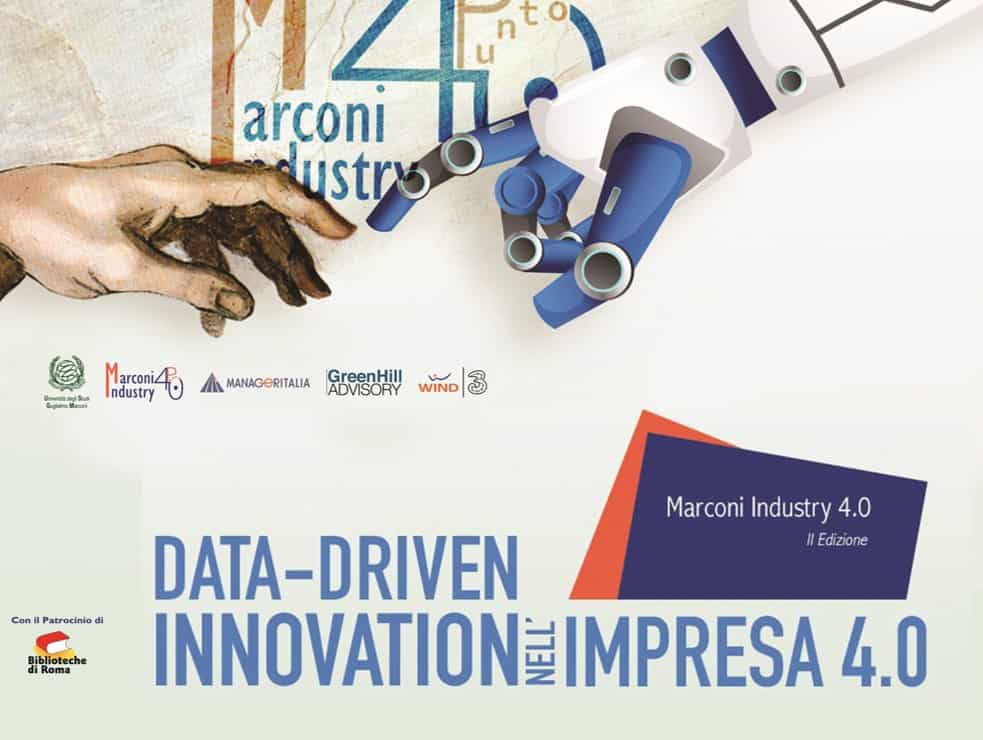
    Last week we had the pleasure to be invited to the “Data Driven Innovation for Industry 4.0 Enterprises” event hosted by Marconi University in Rome.
    The topic involved several entities and companies telling their Industry 4.0 practical experiences in different fields including law, consulting and manufacturing.

    Inglobe Technologies speach at Marconi University in Rome about Industry 4.0

    As Inglobe Technologies we shared a couple of projects we made in the industrial sector, explaining which problems led the companies to pick Industry 4.0 technologies to solve their problems and finally we shared results and implications of using Augmented Reality in a manufacturing environment.

  • Inglobe supports the Advanced School in Artificial Intelligence

    Inglobe supports the Advanced School in Artificial Intelligence

    Artificial Intelligence (AI) is, today, one of the hottest technology topics across different business communities thanks to the growing public attention towards the technical achievements in the field and the ongoing investments both by Governments and Tech Giants. AI is already dominating the debate around innovation and digital transformation and it is expected to have an even larger impact in many sectors, including industry, finance, healthcare, education and safety.

    The way we learn and work will drastically change in the near future, that means we need to rethink our educational system and to prepare for the challenges of the future by planning investments and fostering the research around topics such as Machine Learning, Perceptual Computing, Cognitive Robotics and Language Understanding.

    The AI market is worth about 5 billion dollars and it is expected to decuplicate its value within the next 5 years, a truly impressive growth rate!
    Some current major uses of artificial intelligence include image recognition, object identification, detection, and classification, as well as automated geophysical feature detection. The largest proportion of revenues come from the AI for the enterprise applications market. (Source: Statista)

    Artificial Intelligence market value chart
    Artificial Intelligence Market Value (Statista)

    Italy is the fifth largest producer of most-cited scientific papers on machine learning after the
    United States, China, India and the United Kingdom (Source: OECD)
    That means that despite the lack of a central national strategy on AI, like the one the French Government is adopting, Italy is one of the most advanced countries in terms of research and development, counting many researchers and organizations working on AI-related topics.

    The Institute of Cognitive Sciences and Technologies (ISTC-CNR), a leading Italian research center on AI, in collaboration with other organizations such as the Italian Association for Artificial Intelligence (AI * IA) and the Italian Association for Machine Learning, has recently designed an educational program called “Advanced School in Artificial Intelligence” (AS-AI) in order to help post-graduates and professionals face the fast-growing demand of the job market for new skills and competencies related to advanced fields of Artificial Intelligence.

    Inglobe Technologies is proud to support this initiative by sponsoring the School and by offering the course of “Visual Perception and Spatial Computing” which will be taught by its Chief Research Officer, Luigi Freda.
    This course will provide an introduction to visual SLAM and real-time techniques, focusing on how to:robustly localize a camera system with respect to the environmentcompute a dense 3D reconstruction of the surrounding scenesegment the obtained 3D model by using both geometry and semanticsuse deep learning for empowering advanced scene understanding and improve SLAM performances

    The course will present emerging spatial AI techniques which have many potential applications, including mixed-reality, virtual reality, and cognitive robotics.

    During and after the courses, participants who will enroll in the Advanced School in AI will be involved in an internship program with the partners of the program, organizations and companies, including Inglobe Technologies.

    AS-AI is a great opportunity for the participants to start building a valuable professional network while at the same time empowering their professional AI skills and competences. To enroll in the program, please consult the Enrollment procedure and the requirements applicants must have in order to join the Advanced School in AI → https://as-ai.org/apply/

  • Inglobe to participate in Technology Hub

    Inglobe to participate in Technology Hub

    Inglobe Technologies will participate in Technology Hub, the event on new technologies held in Milan from the 17th to the 19th of May, now at its third edition.
    Graziano Terenzi, CEO at Inglobe Technologies, is one of the speakers invited to take part to the Panel moderated by Tiziana Primavera about “Why AR/VR/XR are really disruptive for productivity and flexibiity of corporate processes”.

    The discussion will be about how companies represent a huge potential pool for the adoption of new technologies and how they can find the right balance between benefits that can be achieved in terms of processes and return on investment. With the new workflows, industrial productivity will certainly evolve in many ways and more workers will be able to increase their personal skills. The Panel will analyze the potential enabled by the new software / hardware tools in the Industry 4.0 perspective.

    speach at technology hub event in milan

    Graziano Terenzi, CEO of Inglobe Technologies will be part of the Technical Jury of Technology Hub that will award the prizes to the participants in the Hackathon VR initiative organized by IMRA, the Italian Mixed Reality association.

  • Inglobe to participate in EICS European Immersive Computing Summit

    Inglobe to participate in EICS European Immersive Computing Summit

    Inglobe will participate in EICS the European Immersive Computing Summit which will be held in Venice, Italy, on March the 22-23 2018.

    EICS consists in two days of conferences given by leading figures of the IoT world, important corporation CTO and professionals in the field which will illustrate the most recent technology’s frontiers and their application area.
    Conferences are about four different subject matter: “Architecture, Art and Design“, “Entertainment“, “Healthcare” and “Industry 4.0“.

    Inglobe will be represented by Alessandro Terenzi, CTO and Co-Founder, who will give a talk in the Industry 4.0 track.

    European Immersive Computing Summit 2018 speakers

    The Talk at EICS

    The title of the talk is ?Authoring & Integrating Augmented Reality Experiences for Industry 4.0?, this is the description:
    “Terms like Industry 4.0, Smart Factories, Internet of Things are spreading today. When talking about modern manufacturing and production systems in general, they are becoming, without any doubt, baseline but, as a matter of fact, for many decision makers these terms still remains somewhat vague and more often than not implementing such ideas in a real context results in a hard start and in an inevitable failing end which, in turn, results in a waste of time and in missed opportunities. Considering the wideness of the topic, without any presumption of completeness, the speech aims to describe how two of the hottest technologies available today, specifically Augmented Reality (AR) and Remote Assistance (RA), can help companies in implementing Industry 4.0 concepts in a meaningful and effective way. Some of the latest advances in AR will be presented with a particular focus on how they integrate in real production environments. Part of the speech will address crucial topics related to the creation of AR experiences and the integration of AR systems with existing workflows. Finally a few case studies will be discussed along with the lessons learned while implementing AR solutions in real world productive settings.“

  • Inglobe selected among the best 5 participants of Terna Next Energy

    Inglobe selected among the best 5 participants of Terna Next Energy

    Inglobe has been selected among the 5 winners of the Terna Next Energy call managed by Cariplo Factory’s GrowItUp and will now enter the Engage stage which aims at starting a collaboration phase between Terna and the companies in order to identify a set of challenges to be tackled by means of the proposed solutions.

    12 out of the 85 companies which joined the call were invited to pitch in Rome during the Selection Workshop in front of the Terna Management.
    Right after the pitch session, 8 of the participants were invited to one-to-one interviews with a delegation of Terna managers and finally 5 of them were selected for the “Engage” stage.

    terna next energy open innovation winners in Rome

    During the pitch session Inglobe presented its technological solutions for the Utilities, that include, for example, the Hyperindustry AR Platform, and identified some of the Terna processes on which industrial AR could have a positive impact.

  • How Augmented Reality can support World Class Manufacturing

    How Augmented Reality can support World Class Manufacturing

    The manufacturing environment is a great source of new ideas, especially when it comes to efficiency gains. Starting from the end of the 80’s the lean thinking approach and its methodologies have changed the way factories work and perform, targeting waste and giving people the most appropriate training to give their best.

    The increasing digitalization of industrial processes has led to the formalization of the Industry 4.0 trend, which tries to group a bunch of new technologies which are capable to bring manufacturing operations to the next level.

    Among the lean methodologies, World Class Manufacturing (WCM) has conquered many leading manufacturers worldwide which implemented it in their processes and obtained consistent performance improvements.

    World Class Manufacturing Pillars impacted by Augmented Reality

    The World Class Manufacturing methodology is structured into 10 technical pillars and 10 management pillars, each one focusing on a specific aspect of the industrial organization.

    WCM Pillars

    While Augmented Reality is potentially useful to a wide range of scenarios, what we know for sure is that the technology is capable of making a great impact on the following WCM pillars:

    Autonomous Maintenance

    This pillar refers to the set of simpler maintenance tasks that can be carried out by the machine operators without a dedicated intervention from the maintenance department. It involves operations like cleaning, lubrication and inspection. Autonomous Maintenance reduces pressure on maintenance professionals and avoids the machines are run up to the breaking point.
    In this context Augmented Reality is of great help in the process of training operators to perform simple maintenance tasks they never run before.

    Professional Maintenance

    While Autonomous Maintenance is performed by machine operators, Professional Maintenance requires a higher level of specialization and a dedicated maintenance team. PM concerns taking care of machine breakdowns and more complex preventive and predictive maintenance tasks.
    Augmented Reality is particularly suited to support PM activities as a training technology as well as a step by step support in complex maintenance procedures. It is also very useful at standardizing procedures referred to same activities, but that are performed differently at different locations, something not uncommon in the case of companies with widespread operations.

    People Development

    Tightly linked to the development of human resources skills is the PD pillar. When the workforce has been involved and when training gaps have been identified, then Augmented Reality, and Virtual Reality as well, come into play. AR has proven to be an excellent technology to speed up the learning process in many fields, including industrial training. The people to be trained has the chance of learning something new directly on the field with the aid of visually presented information.

    How to implement AR into industrial processes

    Companies who understand the huge potential of Augmented Reality in industrial contexts and may want to evaluate whether the technology works as expected in their context, should take into account the following industrial roadmap we suggest.

    Industrial Augmented Reality Roadmap

    According to this approach companies should consider to start with a pilot project on a real application case inside the company in order to experiment and assess if AR delivers what expected in terms of benefits.
    After a successful pilot the company will be ready to extend the technology to other use cases in a structured manner using an appropriate software platform.

    For these purposes take a look at our HyperIndustry platform, designed to provide manufacturers with a vertical tool which enables the power of Augmented Reality to support multiple operations in the shop floor.

  • Smart manufacturing using AR in the era of Industry 4.0

    Smart manufacturing using AR in the era of Industry 4.0

    The debate around industry 4.0 and smart manufacturing is involving an increasing number of execs worldwide, but that doesn?t mean they are all aware of the potential benefits of this trend for their companies. Same goes for the challenges to be tackled before a company can speak the industry 4.0 language.

    Augmented reality is one of the cutting edge technologies involved in the industry 4.0 trend when talking about smart manufacturing, it is a technology which was seen just as a fancy toy until a few years back, but which has now reached the right level of maturity to be employed in a productive environment.

    The truth is many actors in the industry field still feel like something big is going to happen on their shop floor in the next future, but they don?t know exactly when and what.

    As for the when, we are much more advanced in the adoption of industry 4.0 practices than the non-experts may understand. There are so many investments and pilot projects going on out there which are speeding up the process of refining the technology and getting companies ready to improve their processes. In fact, sectors such as gaming are not lagging behind, with initiatives like ξενα καζινο στην ελλαδα paving the way for innovative solutions and new market opportunities, driving competition and technological adoption. So the right time is right now, at least for those who want to be the leaders.

    As for the what, the range of potential applications is very wide, although some trends have emerged where augmented reality has proven to increase process and people performances as well as being effective at driving down costs in so many departments.

    Critical issues in Industry 4.0 environments

    Processes in the productive environment exhibit a number of critical issues that make operations less efficient, as well as more risky for technicians working in the field.
    These are the areas of focus according to our experience:

    1. Human error: even the most experienced workers may suffer from an information overload resulting from excessive amounts of procedures to remember and difficulty in identifying the exact intervention points
    2. Inefficiencies: according to some empirical studies traditional assembly and maintenance operations require longer execution times compared to the same operations carried on with the assistance of augmented reality. Use of wrong tools, inadequate training received by technicians and poor to none access to operations? analytics are some of the most recurring inefficiencies inside factories
    3. Cost: all of the above translates into higher workforce costs due to longer operations, recurring errors and damage to components due to incorrect procedures execution

    Empirical studies and the evidence of performance improvement

    There is a number of empirical studies conducted on the field in order to research the effectiveness of AR applied to industrial operations.
    This set of studies compares the performance of two groups of workers carrying on the same assembly or maintenance operations, one group operates with the aid of AR instructions, the other group with the support of traditional printed instructions.

    Among these studies, some of the most notable are ?Augmented Reality Efficiency in Manufacturing Industry: A Case Study? by J. Saaski, T. Salonen, M. Liinasuo, J. Pakkanen, M. Vanhatalo, A. Riitahuhta and ?Evaluating the Benefits of Augmented Reality for Task Localization in Maintenance of an Armored Personnel Carrier Turret? by S. J. Henderson, S. Feiner.

    What researchers have highlighted is a performance improvement up to 50%, which means AR enables workers to perform a given task faster and with a lower possibility of error.
    All of this evidence translates into economical benefits as well, since reduced execution times means a lower cost of labor.

    Potential usage scenarios for Industry 4.0

    The range of possible use cases is really wide and involves nearly all kind of operations that can be executed on the shop floor, from core manufacturing activities such as production to support processes such as maintenance, training and so on.
    The following is a list of potential usage scenarios according to our experience.

    1. Operations: any kind of operation which requires some step by step procedure can benefit from the introduction of augmented reality. Installation, assembly, machinery tool change are just some of the processes where AR can make a difference and make manufacturing really smart
    2. Maintenance and Remote Assistance: industrial companies know how much time-consuming the maintenance tasks can be. Preventive, corrective and in some cases predictive maintenance requires companies to allocate many human and financial resources to guarantee the operations smoothness and minimize machinery faults. In this context AR is extremely effective at reducing execution times, minimizing human errors and sending the relevant performance analytics to maintenance managers.
    3. Training: especially for those companies where training is a critical process involving many field technicians AR guided training mode can be very effective both for experienced people and new technicians at the beginning of the learning curve
    4. Quality control: AR support in quality control processes allows to check wether the items produced respect or not the best manufacturing standards.
    5. Safety management: AR makes available the tools to manage risk and safety of operators and equipment working in the facilities
    6. Design and visualization: in this scenario of usage augmented reality comes into play providing tools that improve design, prototyping and visualization in the design phase
    7. Logistics: tools that can improve efficiency of warehouse management operations and logistics supporting operators during indoor navigation and picking operations.
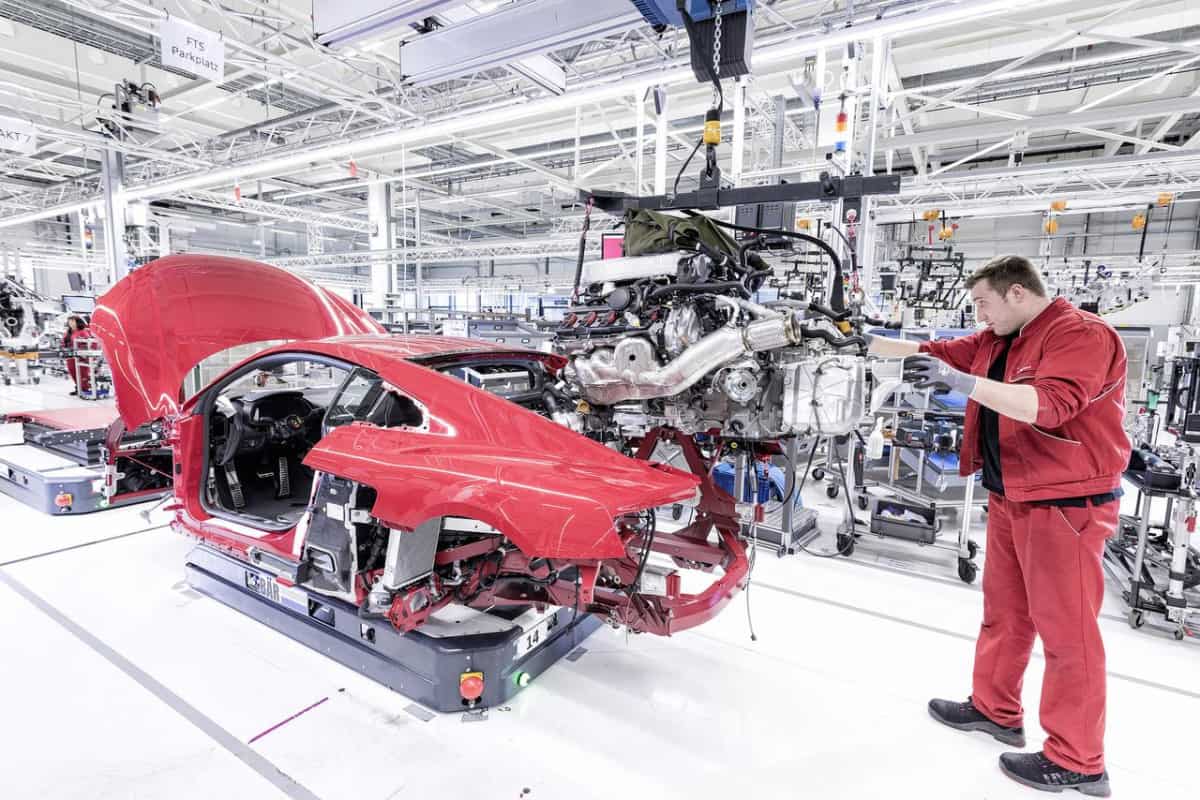
    Augmented Reality SDK Object Recognition car engine

    HyperIndustry: one platform to manage it all

    Inglobe Technologies? solution is a mobile and wearable platform designed to support smart manufacturing activities; it is equipped with advanced Augmented Reality features that can be integrated into technical processes in different industries.
    It enables a more effective communication between field workers and business infrastructure in order to provide contextual and smart information about installation and maintenance.

    The platform allows key people inside companies to create and manage augmented reality experiences including object tracking, tasks creation and assignment, data analytics management.

    Our Mixed Reality platform can be integrated into IoT solutions and Advanced Visualization / Interaction, includes different customizable modules and supports mobile devices, smart glasses and standalone systems.

    Visit HyperIndustry Product Page now!